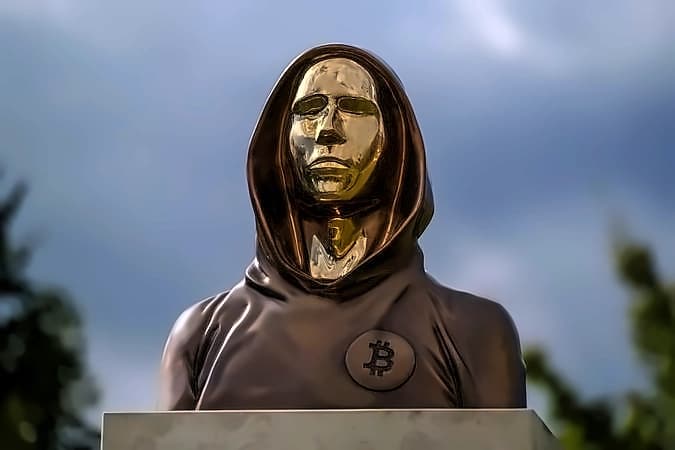
Bitcoin developers and crypto advocates have reached a consensus that Satoshi Nakamoto's original Bitcoin holdings must remain strictly untouched, according to Galaxy Digital's Alex Thorn. As reported by Hyperliquid, Thorn stated that 'Satoshi's coins (P2PK) should not be touched' and emphasized that violating his property rights could be disastrous for Bitcoin's core value proposition. The consensus emerged from many discussions about quantum & Bitcoin in Las Vegas this week, where Thorn engaged with skeptics, advocates, and smart Bitcoiners about the network's foundational property rights.
The debate has intensified as quantum computing concerns raise questions about old Bitcoin addresses and future security vulnerabilities. As reported by Hyperliquid, Thorn discussed quantum risks and Bitcoin security with several market participants, describing the risk as lower than many people assume. Satoshi's estimated coins sit across about 22,000 addresses, with each holding 50 BTC, which would make a broad attack extremely sophisticated and logistically difficult. The structure of these addresses would make them more resilient to potential quantum computing threats, with Thorn noting that 'The risk is also lower than many realize' due to the distributed nature of the holdings.
Thorn argued that the Bitcoin market has demonstrated remarkable resilience and suggested that many Bitcoiners may accept even extreme market conditions to preserve Bitcoin's core principles. According to the report, he stated that 'Suffer a 50% drawdown (even if it were possible to take all of Satoshi's coins) to preserve Bitcoin's core property rights? I think most Bitcoiners would accept that trade-off'. The community appears prepared to weather massive market crashes, with Thorn noting that Bitcoin markets routinely absorb sell-offs of over one million BTC. The concern centers on what would happen if Satoshi's coins moved or were stolen, as such an event would likely create panic since those coins have remained untouched since Bitcoin's earliest years.
Despite the community's consensus to leave Satoshi's coins untouched, developers continue proactive work on post-quantum tools that may help protect Bitcoin users if quantum computing risks become more practical. As reported by Hyperliquid, active users, companies, exchanges, and custodians can proactively upgrade to post-quantum (PQ) addresses if there is such a need. This approach balances the need for quantum-resistant technology with the community's preference to maintain Bitcoin's core ownership principles. Thorn affirmed that 'It is good to work on new crypto for Bitcoin, post-quantum or otherwise', indicating broad support for behind-the-scenes development efforts.