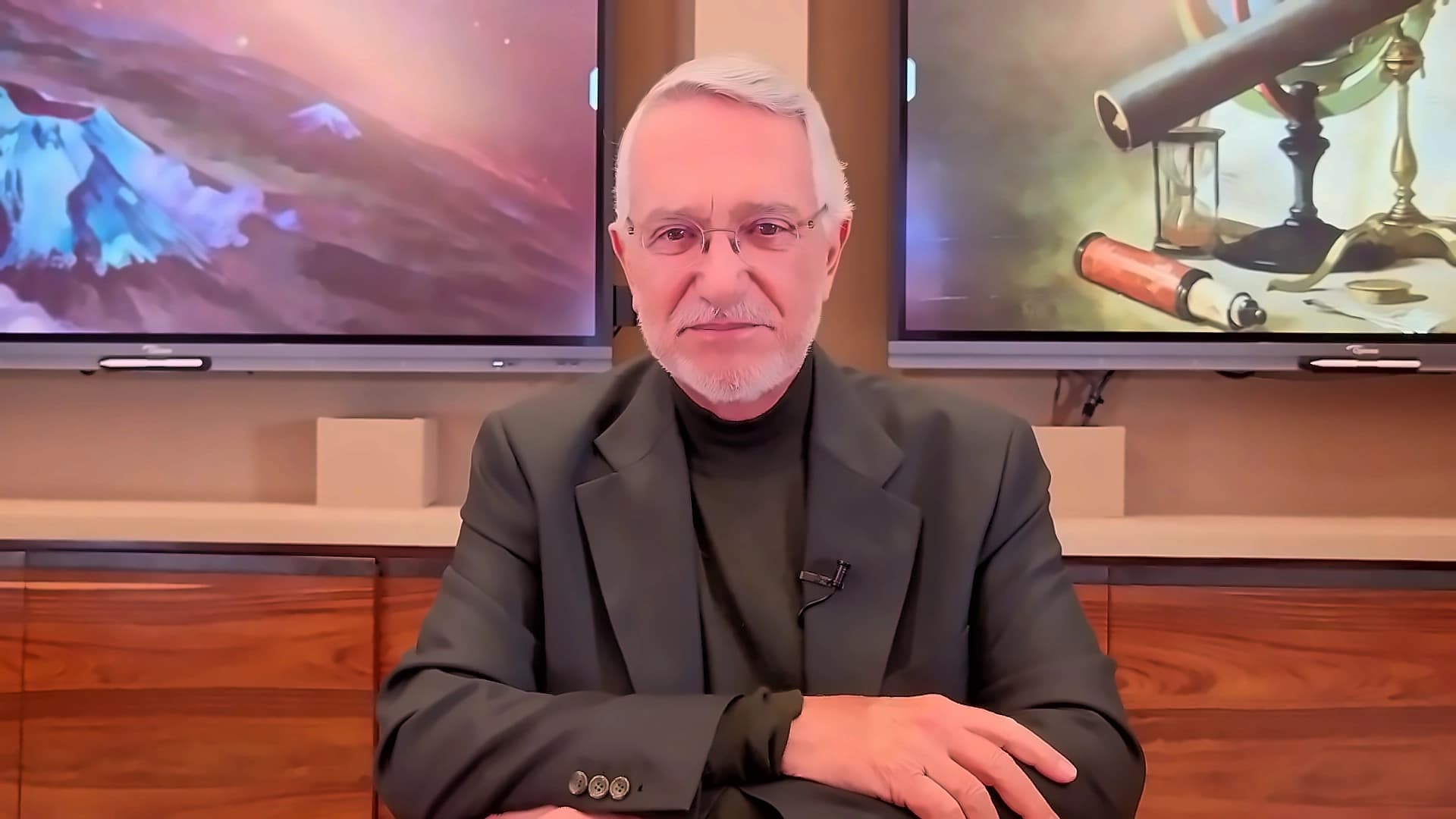
According to analyst and entrepreneur Mark Moss, Bitcoin functions as a genuine 'cheat code' for retiring without ever selling. As reported by Coin Stories, Moss's central thesis runs counter to conventional wisdom, arguing that the goal should never be to sell Bitcoin to fund a lifestyle, but to stay in the owner column rather than the consumer column. Under the debt-based monetary system in place since 1971, money enters circulation through credit, and credit requires collateral. Owning even $1 of Bitcoin makes someone an owner who can borrow against it, while selling triggers tax events, eliminates that collateral, and converts a long-term asset into short-term spending. Moss explains that "Everybody wants that financial freedom, the ability to live without being forced to work off of income." He proposes instead "asset freedom" over financial freedom, framing Bitcoin as collateral and a leverage tool for crypto adoption.

Moss challenges traditional retirement thinking, arguing that the goal should not be freedom from work but freedom to work on whatever someone actually chooses. As reported by Coin Stories, he proposes what he calls 'retiring from assets' rather than the FIRE movement. His concrete strategy involves borrowing against Bitcoin with discipline, including low loan-to-value ratios, multiple liquidity layers including checking accounts, cash equivalents, and income, with asset sales reserved as a last resort. Understanding market cycles matters throughout this process, with the goal of harvesting appreciation without abandoning ownership or triggering unnecessary taxable events. Moss points to billionaires and creators who stay active into old age, arguing they belong to the builder class rather than consumers dreaming of poolside leisure. He dismisses passive income and the FIRE movement, proposing instead asset freedom over financial freedom.
Moss illustrates the danger of becoming a forced seller through his own history, as reported by Coin Stories. In 2008, he built a property valued at $12 million, rejected an $11 million offer, then watched the bank sell it for just $4 million after the crash. The property is worth roughly $20 million today. Moss explains that volatility was never the real problem, but becoming a forced seller at exactly the wrong moment was. He dismisses passive income and the FIRE movement, proposing instead asset freedom over financial freedom. With Bitcoin currently trading near $68,500 and down roughly 27% year-to-date, the debate highlights the ongoing volatility and forced-sale risks that holders face.
The analysis contrasts sharply with economist and longtime Bitcoin critic Peter Schiff's perspective. According to Coin Stories, Schiff offered a starkly different view, arguing that retiring on Bitcoin only works if someone bought it long ago and sells before a crash. As reported by BeInCrypto, Schiff wrote on X that "The only way to retire on Bitcoin is to have bought it a long time ago and sell it before it crashes." Moss sees Bitcoin as structural infrastructure for generating liquidity without abandoning ownership, even amid the current 26% yearly decline. Schiff insists that the only realistic path is to sell in time, before volatility erodes accumulated capital, leaving a genuine open question for holders about whether Bitcoin is an asset to preserve and leverage indefinitely or one that demands exiting before conditions turn too late.