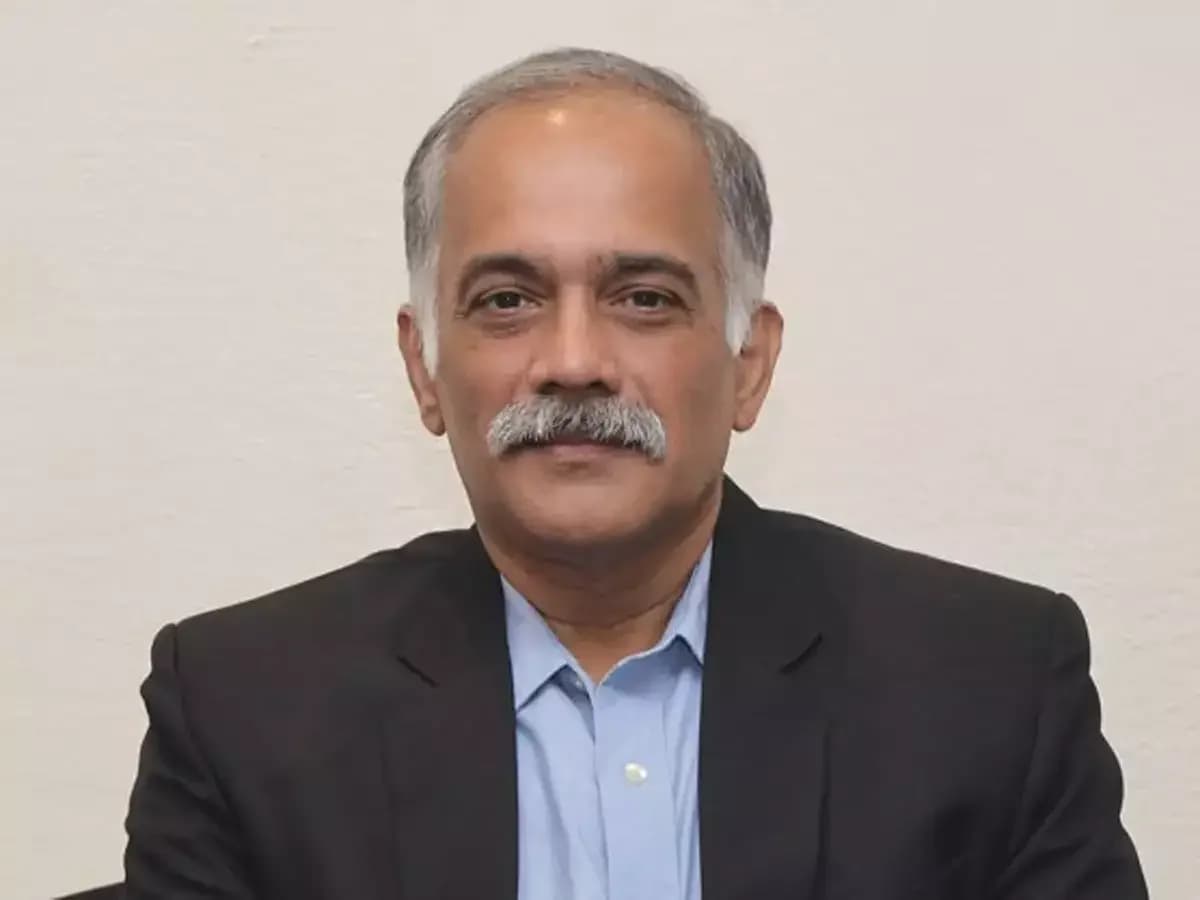
According to an August 17 Reuters investigation, Binance provided Russian investigators with identity documents and cryptocurrency transaction records for Yuri Belenkiy during 2025. The records reportedly included Belenkiy's address, telephone number, date of birth, passport and Bulgarian residency permit. Russian authorities incorporated these Binance transaction details into evidence supporting terrorism financing charges against the 49-year-old Russian IT specialist. As reported by Reuters, Binance identified Yuri Belenkiy as the source of transfers worth more than $700, with the exchange providing his date of birth, address, phone number and passport number, alongside copies of his Russian passport and Bulgarian residency permit. The documents show Russian law enforcement officials sent a request to Binance for Belenkiy's transaction history, and Binance responded by sending details showing crypto transfers to Ukrainian organizations. The mechanics of this cooperation are documented in the case file, with Russian investigators receiving two replies from the email address case@binanceholdings.ru — an address Binance's own website lists for Russian and Belarusian law enforcement agencies to use. Binance was under no obligation to provide the data, having quit Russia, and may in fact have had an obligation not to provide it under European Union data protection law, according to Mike Bystrov, founder of law firm Stellar Consulting that advises on crypto regulation.

As reported by Reuters, Belenkiy is accused of transferring more than $700 in cryptocurrency to organizations connected with Ukraine's military. Russian investigators allege these payments were made between January 2023 and March 2024 following appeals by Ukrainian soldier Babchenko for medical equipment funding. The Investigative Committee alleged Belenkiy made the crypto payments in response to an online appeal by Arkady Babchenko, an exiled Kremlin critic who supports Ukraine. The information also confirmed that Belenkiy was the Binance customer who initiated the transfer to the wallet specified by Ukrainian journalist Arkady Babchenko. The documents were obtained by The First Department, an organization that supports defendants in Russian political cases, from one of Belenkiy's relatives. One document showed the Investigative Committee asked Binance to reveal the identities of others who had transferred currency to the wallet for which Babchenko was soliciting donations, though the documents did not disclose the outcome. Reuters reviewed several posts from that period on Babchenko's Telegram channel listing wallet addresses for donations meant to fund medical equipment for troops fighting Russian forces. Babchenko told Reuters he had urged people inside Russia not to send money to Ukrainian military fundraisers precisely because of the arrest risk, adding that he considers it "inappropriate" for exchanges to share Russian clients' donation details with Russian law enforcement. In October, Yuri Belenkiy, an IT specialist detained in September 2025, was accused by Russia's Investigative Committee of sending more than $700 to the Ukrainian military and an affiliated group known as the Azov Brigade and Azov Regiment, which Moscow has designated as terrorist organisations.
The case highlights broader compliance challenges as Binance now faces EU transfer restrictions affecting its operations. According to AMBCrypto, Binance has blocked transactions with HTX and 10 other exchanges for users in the European Union as an effort to comply with the EU's latest sanctions package on Russia. This represents a significant shift from the exchange's previous compliance approach, as Binance had previously sold its Russian business to CommEX in September 2023, saying operating in the country did not fit its compliance strategy, with the exchange retaining no revenue-sharing arrangement or option to repurchase the business. The new restrictions place better limits on crypto transfers involving certain platforms, with regulators in other markets including South Korea also paying attention to outbound flows. The case raises critical questions about GDPR protection and whether European Union privacy protections apply if Belenkiy registered his Binance account as an EU resident. Bystrov said if Belenkiy was registered with Binance as an EU resident, which he may have been given his Bulgarian residency, he would be covered by the bloc's General Data Protection Regulation (GDPR). This would prohibit Binance from disclosing his details without a court order and compliance with very stringent provisions.
Russia is implementing new crypto regulations that bring digital assets directly into its financial risk framework. Under a new draft ordinance, brokers, trustees, forex dealers and crypto exchange offices would have to include crypto holdings when calculating prudential ratios used to measure financial stability. However, only exchange-traded cryptocurrencies would qualify, with their value capped at 25% of the assets counted in the calculation. The proposal is currently under regulatory-impact review. This regulatory tightening comes as Russia's grip on crypto operations intensifies, with the Bank of Russia bringing crypto directly into its financial risk framework. The case against Belenkiy rests almost entirely on records that Binance turned over to Russian investigators, with an interim outline of the case sent to the Russian prosecutor-general's office citing those very transactions as grounds for the terrorism financing charges. The case has drawn sharp criticism from human rights advocates who say episodes like this show how easily crypto exchanges can be pulled into political repression.
According to Reuters, Belenkiy remains detained in Russia while awaiting trial, with Russian authorities not announcing a trial date. His lawyer has not publicly addressed the accuracy of the transaction evidence or Binance's disclosure. The criminal court may examine the transfers and other evidence when proceedings begin, while any GDPR inquiry would be separate and likely require a European regulator to establish where Belenkiy's account was registered. The disclosure came after Binance sold its Russian business to CommEX in September 2023, saying operating in the country did not fit its compliance strategy, with the exchange retaining no revenue-sharing arrangement or option to repurchase the business. The case has drawn sharp criticism from human rights advocates who say episodes like this show how easily crypto exchanges can be pulled into political repression. This is not the first time Binance's dealings with Russian authorities have drawn scrutiny, as Reuters previously reported that a Binance regional executive met with officials from Russia's Financial Monitoring Agency in 2021 who sought help identifying customers who had donated bitcoin to jailed opposition figure Alexei Navalny, who died in an Arctic penal colony in 2024.