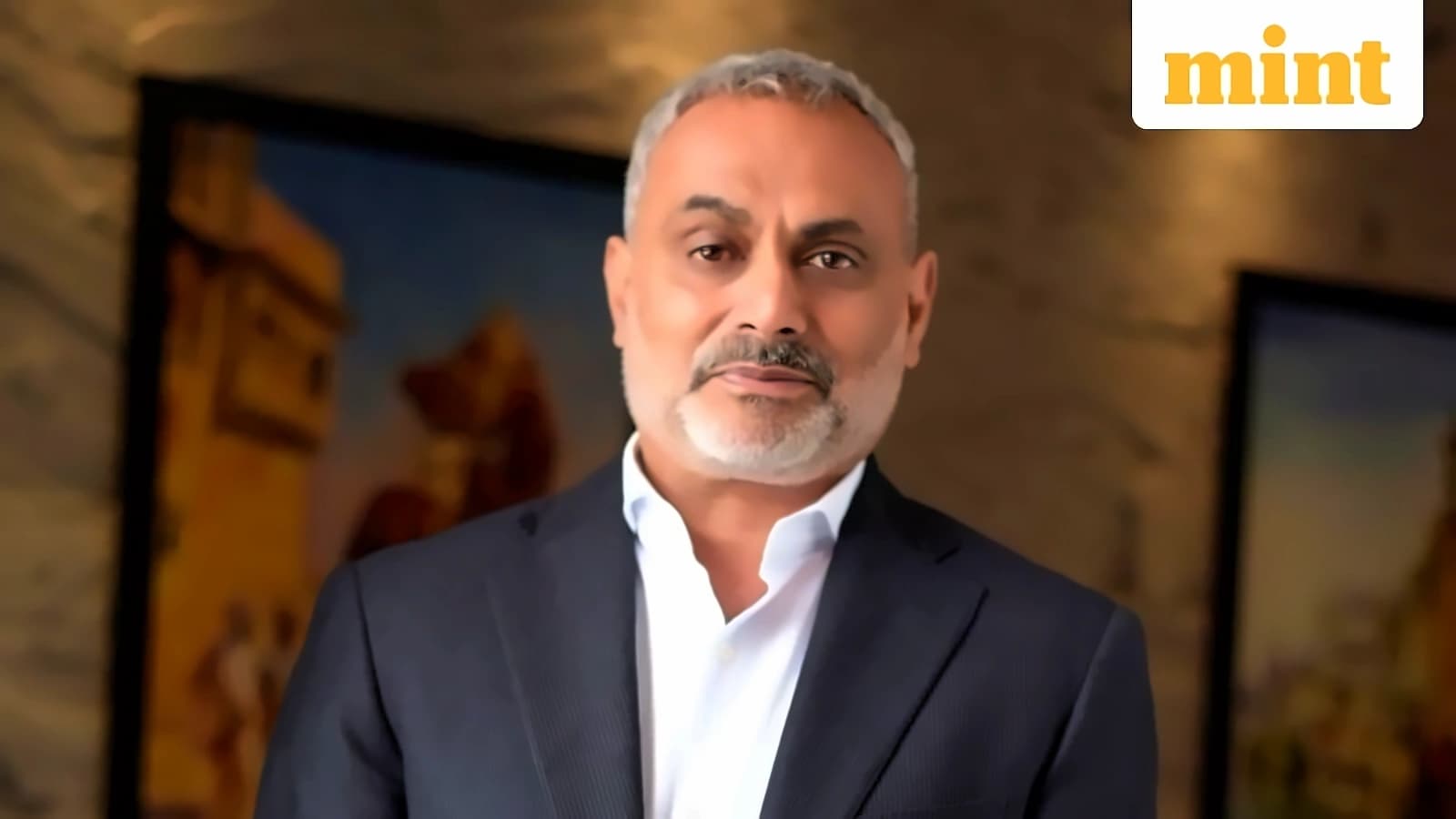
Princeton University isn't just another investor for WestBridge Capital. The relationship goes back nearly two decades, anchored by co-founder Sumir Chadha's Princeton alumni status and his brief stint as a university trustee.
That vision has grown into a $7.3 billion giant. WestBridge straddles both private and public markets, holding stakes in everything from early-stage startups to listed giants like IndiGo and Star Health.
But now, that long-term partnership is hitting a rough patch.
The concern? Weak performance in WestBridge's public-market portfolio and, crucially, a lack of DPI (distributions to paid-in capital).
What Exactly is DPI?
Think of DPI as the scorecard for how much cash a fund has actually returned to its investors relative to what they put in. It's a crucial metric for limited partners (LPs) like Princeton. A high DPI means money is flowing back, increasing liquidity and the likelihood of reinvestment. A low DPI means capital is tied up, regardless of what the portfolio looks like on paper.
For WestBridge, the problem isn't that the entire portfolio is crashing. It's that several marquee listed bets have come under pressure, limiting the firm's ability to generate those all-important cash returns.
The Troublesome Four: Where the Pressure Points Lie
WestBridge's public-market portfolio has delivered mixed results, but four specific positions have caught the market's attention—and likely Princeton's eye.
InterGlobe Aviation (IndiGo): The airline's stock is down about 20% over the past year. The culprit? A perfect storm of soaring fuel costs and a weakening rupee. Brent crude averaged 50% higher year-on-year, while Singapore jet fuel prices nearly doubled due to Middle East tensions. The rupee's depreciation of over 11% inflated dollar-denominated costs, contributing to a net loss of ₹23.9 billion in FY26. Even as IndiGo raised fares to offset costs, expenses grew faster than revenue in Q1 FY27. Transcript +2
India Shelter Finance: This housing finance company, where WestBridge holds about 46%, has seen its stock plummet over 30%. The company's fundamentals remain strong—assets under management grew 24% year-on-year, and net profit rose 20%. However, asset quality has raised eyebrows. Gross Stage 3 loans (the most overdue category) rose to 1.5% from 1.2% a year earlier, and loans overdue by 30 days or more reached 5.2%. Management calls this seasonal and market-wide, but analysts have questioned whether growth is slowing as stress creeps in. Investor Presentation +1
Freshworks: The SaaS darling is trading around $15, over 55% below its 2021 IPO price of $36. WestBridge, once among its largest institutional investors with over 10%, has trimmed its stake to about 3% as returns failed to meet expectations. The broader software sector has been hammered by fears that AI will automate tasks once requiring expensive software licenses, compressing the "seat-based" revenue models that many SaaS companies rely on.
Star Health: The insurer trades around ₹545, nearly 40% below its ₹900 IPO price. WestBridge holds about 40% through its investment vehicle Safecrop Investments. Paradoxically, the company's underwriting performance has improved. The combined ratio (claims plus expenses as a percentage of premium) dropped to 98.8% in FY26 from 101.1% in FY25, turning an underwriting loss into a ₹206 crore profit. However, investment volatility dragged reported profits, and the stock has struggled to regain its IPO footing. Investor Presentation
The Exit Strategy: Monetizing to Manage Redemptions
To offset Princeton's potential full redemption, WestBridge is actively monetizing assets.
At current market prices, the deal could fetch over ₹12,000 crore ($1.3 billion)—more than enough to cover Princeton's entire exposure.
This exit is reportedly driven by two factors. First, the need for liquidity. Second, a regulatory quirk: WestBridge recently launched Kiwi General Insurance, and IRDAI norms generally permit a promoter to hold only one insurance license. With Kiwi now operational, WestBridge may need to exit Star Health to comply.
WestBridge has also been trimming other positions. It fully exited Aptus Value Housing Finance through block deals in 2025, realizing roughly ₹4,500 crore across two transactions. In PhysicsWallah, the edtech firm it took public in 2025, WestBridge has reduced its stake from just over 7% to 5.3% since the IPO, booking a 2.6x return on its partial exit.
The Strategic Shift: From Builder to Harvester?
The pattern suggests a broader shift. WestBridge is reportedly "doubling down" on existing companies like Third Wave Coffee and Rapido, while the pace of fresh investments has slowed. In August 2026, it led a ₹408 crore ($43 million) Series D round in Third Wave Coffee, a mix of primary and secondary capital, to fuel the coffee chain's expansion.
The hybrid model, designed for patient capital with flexibility across stages, is now being tested by redemption pressure. The firm is effectively harvesting its listed book to generate liquidity while concentrating follow-on capital in a select few private bets.
The Trade-Off: Long-Term Vision vs. Short-Term Cash
WestBridge's evergreen structure is both a strength and a constraint. It allows the firm to take a 5 to 25-year view without the forced exits of a traditional 7-year fund cycle. But when an LP like Princeton wants out, the firm still needs to find cash. Staggered redemptions and liquidity buffers help, but they don't eliminate the pressure.
The trade-off is stark. Selling liquid listed holdings like Star Health or PhysicsWallah generates immediate cash but may lock in losses if stocks are trading below IPO prices. Holding on for a recovery risks missing redemption windows or straining relationships with other LPs watching DPI closely.
What Lies Ahead
WestBridge's ability to raise future capital from other LPs will depend heavily on how it navigates this transition. Successfully monetizing Star Health and other assets could boost DPI and demonstrate liquidity management. However, the loss of a key anchor investor like Princeton could dent the firm's reference value with other endowments and institutions.
The current portfolio rationalization reflects a strategic pivot from aggressive deal-making to disciplined harvesting. Whether this is a temporary response to market pressure or a lasting evolution of WestBridge's hybrid model remains to be seen. For now, the firm is focused on balancing the long-term compounding of its best bets with the immediate need to keep its investors happy.