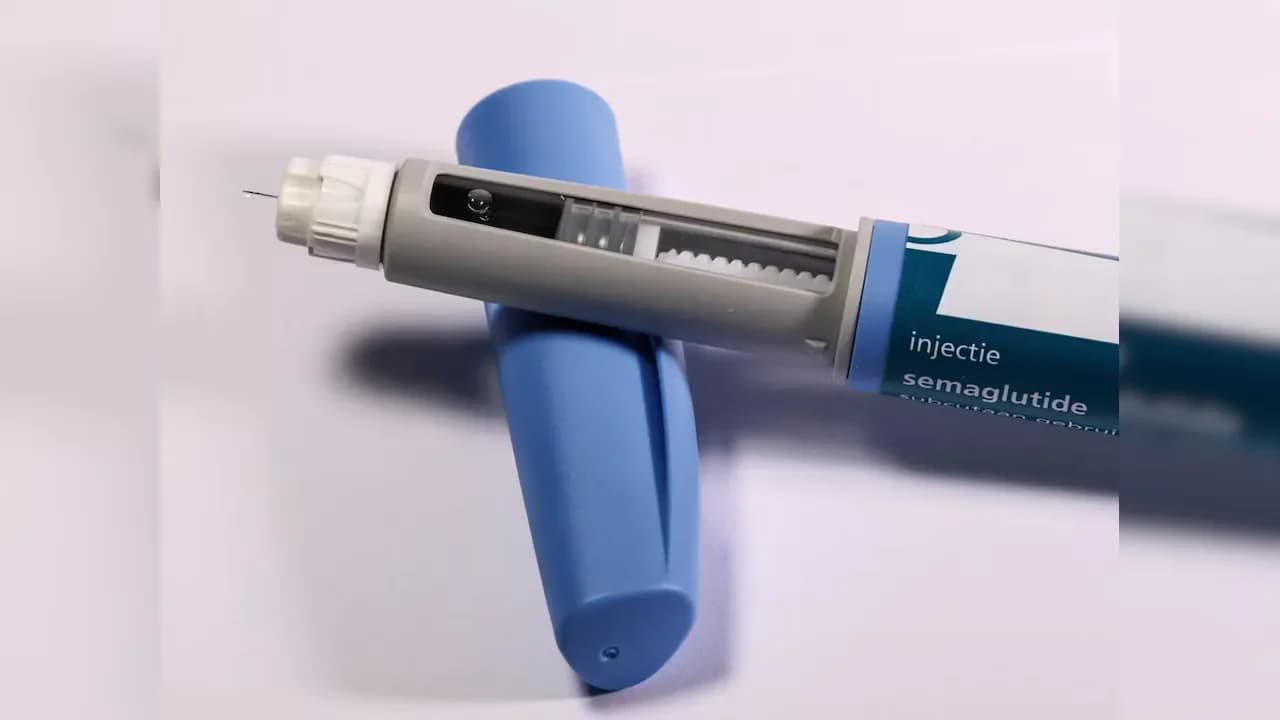
The Central Drugs Standard Control Organization’s Subject Expert Committee has recommended conditional approval for Wegovy (semaglutide 2.4 mg) to treat noncirrhotic metabolic dysfunction-associated steatohepatitis (MASH) with moderate to advanced liver fibrosis (stages F2-F3) in adults. This decision marks a pivotal shift, establishing Wegovy as the first and only GLP-1 therapy in India approved for this serious form of fatty liver disease. The approval is conditional, requiring Novo Nordisk to submit the complete Phase 3 Clinical Study Report for the ESSENCE trial and verify clinical benefit in a confirmatory 240-week trial assessing progression to cirrhosis, liver transplant, and mortality.
Clinical and Regulatory Drivers
CDSCO’s decision rests on robust clinical data from the ESSENCE Phase 3 program. Semaglutide demonstrated statistically significant improvement in liver fibrosis and resolution of steatohepatitis compared to placebo. Meta-analyses show semaglutide significantly increases the likelihood of NASH resolution (OR: 3.18), reduces liver stiffness, and improves key biomarkers like ALT and AST. Beyond liver-specific benefits, it offers multi-organ protective effects, including weight loss and glycemic control, which are vital as MASH patients frequently succumb to extrahepatic complications. This favorable hepatic safety profile and broad applicability across diverse patient populations provided the regulatory confidence needed for accelerated approval, aligning with global trends and CDSCO’s new fast-track framework implemented in 2026.
Market Access and Pricing Strategy
The MASH approval significantly expands Novo Nordisk’s total addressable market in India, moving beyond chronic weight management into chronic liver diseases. However, the pricing environment is intensely competitive. Wegovy faces pressure from Eli Lilly’s Mounjaro and a wave of domestic generics following semaglutide’s patent expiry in March 2026. In response, Novo Nordisk and its exclusive Indian partner Emcure Pharmaceuticals have aggressively slashed prices.
This preemptive cut aims to defend market share against cheaper generics and positions Wegovy competitively against Mounjaro, which is priced between ₹14,000 and ₹27,500. While this strategy boosts volume, it compresses margins, requiring Novo Nordisk to balance affordability with profitability in a cost-sensitive market.
Competitive Dynamics: Wegovy vs. Rezdiffra
The concurrent approval pathways for Wegovy and Madrigal Pharmaceuticals’ Rezdiffra (resmetirom) have fundamentally altered the competitive landscape, creating a bifurcated market based on mechanism of action.
In contrast, Rezdiffra, a liver-directed THR-β agonist, shows early signals of fibrosis regression—a critical predictor of liver-related outcomes—along with favorable lipid-lowering effects and once-daily oral convenience. Wegovy’s competitive advantage lies in Novo Nordisk’s massive commercial scale and existing metabolic disease franchise. It can reach MASH patients through endocrinologists, obesity specialists, and diabetes clinics, whereas Rezdiffra relies more heavily on hepatology-led pathways. However, Rezdiffra’s first-mover advantage and oral administration may appeal to patients and specialists focused purely on liver outcomes. The market will likely see treatment sequencing based on patient phenotype, with metabolic therapies like Wegovy serving as a foundation for combination regimens.
Revenue Growth and Margin Implications
The MASH expansion presents a substantial incremental revenue opportunity for Novo Nordisk in India. The global NASH/MASH treatment market is projected to grow from $8.13 billion in 2025 to $33.02 billion by 2033. In India, with an estimated 254 million people with generalized obesity and 351 million with abdominal obesity, the addressable patient population is vast. Conservative estimates suggest the MASH indication could add ₹650-1,800 crore annually, depending on market penetration. However, profit margins face headwinds.
Furthermore, the reimbursement landscape is challenging; MASH treatments lack established coverage pathways, and most insurance schemes focus on hospitalization rather than chronic outpatient medications. Success will depend on securing insurance coverage and developing innovative access models to offset these pricing pressures.
The Emcure Partnership Advantage
Novo Nordisk’s strategic partnership with Emcure Pharmaceuticals is a cornerstone of its India market access strategy. As the exclusive commercialization partner for semaglutide under the Poviztra brand, Emcure brings deep market penetration capabilities.
This network allows Novo Nordisk to reach beyond urban metros into tier 2 and tier 3 cities. Crucially, Emcure has established divisions in hepatology, nephrology, and gynecology, providing direct access to the specialists who will drive MASH prescriptions. The partnership also allows Novo Nordisk to navigate local market dynamics more effectively, leveraging Emcure’s relationships with hospitals, distributors, and government bodies to accelerate uptake and defend against domestic generic manufacturers.
Barriers to Adoption
Despite the favorable regulatory and commercial backdrop, significant barriers could limit Wegovy’s penetration. Diagnosing MASH requires confirming F2-F3 fibrosis, which poses a major hurdle. Liver biopsy is the gold standard but is invasive and impractical for widespread screening. Noninvasive tests like FibroScan (VCTE) and biomarker panels (e.g., FIB-4, ELF) are recommended but are primarily available in urban tertiary centers, creating geographic disparities. India also faces a critical shortage of hepatologists and liver specialists, with most concentrated in major academic institutions. Primary care physicians often lack awareness of MASH as a distinct treatable condition, leading to under-diagnosis. Furthermore, the high annual treatment cost—ranging from ₹48,000 to over ₹1 lakh—combined with limited insurance coverage for chronic liver diseases, restricts access for many patients. Adherence may also be challenged by the need for weekly injections and gastrointestinal side effects.
Fibrosis-Defined Pathways and Clinical Practice
The approvals of Wegovy and Rezdiffra for F2-F3 fibrosis have established clear, fibrosis-defined drug pathways that are reshaping clinical algorithms. Treatment is now strictly targeted at patients with moderate to advanced scarring, moving away from broader fatty liver markets. This necessitates a two-step screening approach: initial risk assessment using FIB-4, followed by confirmatory testing with VCTE or ELF for indeterminate or high-risk cases. These pathways demand better coordination between primary care physicians for screening and specialists (hepatologists, endocrinologists) for treatment initiation. As the market matures, treatment algorithms will likely become phenotype-based. Patients with dominant obesity or diabetes may be steered toward Wegovy for its metabolic benefits, while those with advanced fibrosis but less metabolic burden may be candidates for Rezdiffra. Future guidelines will also need to address combination therapies, as the complementary mechanisms of these drugs suggest potential synergies.
Conclusion
CDSCO’s approval of Wegovy for MASH represents a transformative milestone for Novo Nordisk in India, unlocking a new high-growth segment beyond obesity. The company is well-positioned to capitalize on this opportunity through its strategic partnership with Emcure, aggressive pricing, and the metabolic benefits of semaglutide. However, success is not guaranteed. Novo Nordisk must navigate a complex landscape of generic competition, diagnostic infrastructure gaps, specialist shortages, and a challenging reimbursement environment. The ultimate test will be its ability to execute a market access strategy that overcomes these systemic barriers while maintaining profitability. If successful, Wegovy’s expansion into MASH could significantly bolster Novo Nordisk’s revenue and reinforce its leadership in India’s rapidly evolving metabolic disease market.