Vedanta Limited completed one of India’s most significant corporate restructurings on May 1, 2026, demerging into five independent, sector-focused entities. This strategic move aims to eliminate the conglomerate discount and unlock substantial shareholder value. The residual Vedanta stock, now focused on base metals like zinc and copper, has demonstrated remarkable resilience, surging approximately 17% in May 2026 to trade around ₹345 . This rally is driven by the market’s recognition of value-unlocking potential, improved transparency, and strong operational performance, including record Q4 FY26 results where PAT jumped 89% year-on-year. Others
The demerger created four new listed companies: Vedanta Aluminium Metal Ltd., Vedanta Power Ltd., Vedanta Oil & Gas Ltd., and Vedanta Iron and Steel Ltd.. This separation allows each business to be valued on its own merits, attracting sector-specific investors and enabling focused capital allocation.
No wealth was destroyed—value was redistributed across five entities. InvestorPresentations
The Path to $10 Billion EBITDA
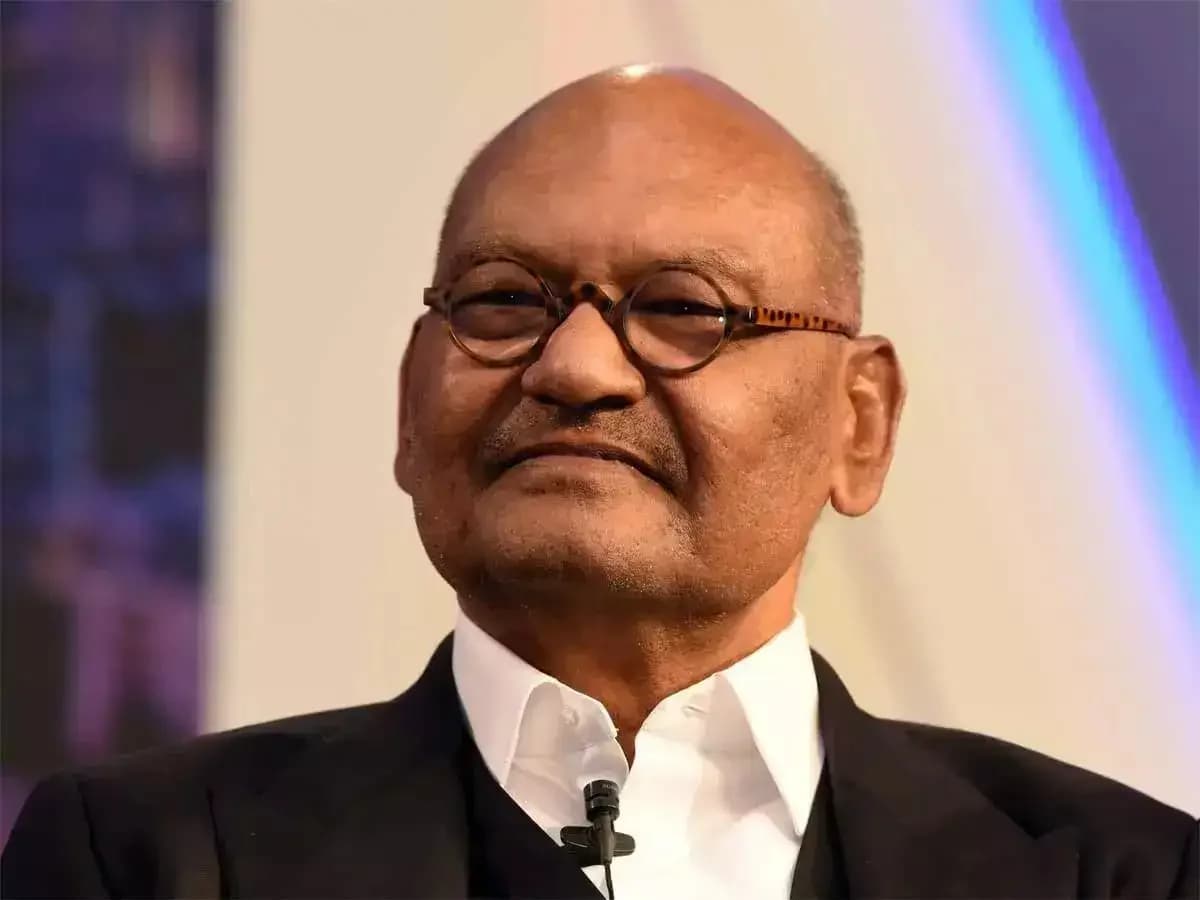
Chairman Anil Agarwal has set an ambitious target of reaching $10 billion in annual EBITDA in the near term, up from approximately $5.8 billion currently. This growth will be fueled by a massive $20 billion capital expenditure program spread over the next 4-5 years. The funding strategy is prudent: roughly half will come from internal accruals, with the remainder sourced through a mix of debt and equity partnerships. This approach maintains a sustainable net debt-to-EBITDA ratio, which has already improved significantly to around 1.98x as of March 2026. InvestorPresentations
The causal link between production expansion and EBITDA growth is powerful. Vedanta plans to increase production across its key businesses by approximately 2.5 times. For instance, Vedanta Aluminium targets expanding capacity from 2.4 to 3.1 MTPA, which is expected to double its EBITDA to around $4 billion. Similarly, Vedanta Power aims to grow its capacity from 2.6 GW to 5 GW, while Vedanta Iron and Steel plans to more than double its steel capacity. This volume-driven growth, combined with cost leadership positions and a focus on value-added products, provides the operating leverage necessary to achieve the EBITDA target. InvestorPresentations +2
Operational Independence and Governance
A critical pillar of this restructuring is the establishment of fully independent management teams for each entity. This shift from a centralized conglomerate structure to decentralized, sector-focused leadership is expected to dramatically enhance operational efficiency. Decision-making speed, previously slowed by bureaucratic layers, is projected to improve by 60-80%. CEOs now have full autonomy over capital allocation, strategic agendas, and operational decisions. InvestorPresentations +1
Each entity is governed by its own independent Board of Directors, comprising members with deep sector expertise. This specialized oversight, combined with empowered management, allows each business to pursue strategies tailored to its specific market dynamics. While the group maintains uniform ESG standards and a commitment to net-zero by 2050, the operational freedom enables faster responses to market opportunities and risks. InvestorPresentations +1
Strategic Positioning for Future Growth
Vedanta’s proven track record in acquiring and turning around government-owned PSUs, notably BALCO and Hindustan Zinc, positions it as a strong candidate for future divestment opportunities.
This expertise, combined with the group’s financial strength, makes it an ideal partner for the government’s disinvestment program. AnnualReports
Furthermore, Vedanta’s majority stake in Hindustan Zinc provides significant strategic advantages. HZL’s robust cash flows support the group’s financial position, and its operational excellence in areas like captive power management and cost optimization offers valuable synergies for other entities, particularly Vedanta Aluminium. The group has also expressed interest in the defense manufacturing sector, specifically calling for the modernization of ordnance factories. However, this diversification would introduce new regulatory and ESG-related risks that require careful management.
Commodity Dynamics and Regulatory Risks
The demand-supply outlook for key commodities presents a divergent picture for the demerged entities. Vedanta Aluminium is well-positioned to benefit from a favorable aluminum price outlook, with forecasts averaging around $2,925 per tonne in 2026. Its cost leadership, with a cost of production of $1,752 per tonne, provides a substantial margin cushion. In contrast, Vedanta Oil & Gas faces a more challenging environment due to oversupply and weakening demand, with oil prices around $60 per barrel. This entity will need to focus on cost optimization and operational efficiency to maintain margins. InvestorPresentations
Vedanta Power Ltd. encounters significant regulatory headwinds. The power sector is undergoing major reforms, including the introduction of market-based economic dispatch and capacity markets. While the entity has shown strong operational performance, with power sales growing 29% and EBITDA more than doubling in FY26, it faces risks from PPA disputes, transmission constraints, and evolving regulatory frameworks. Navigating this complex landscape will be crucial for its contribution to the group’s EBITDA target. AnnualReports
Conclusion
Vedanta’s demerger represents a fundamental transformation designed to unlock value and accelerate growth. The separation into five independent pure-play companies enhances transparency, improves capital allocation, and positions each business to attract sector-specific investment. The path to $10 billion EBITDA is underpinned by a massive expansion in production volumes, supported by a balanced funding strategy and operational independence. However, achieving this ambition will require successfully navigating commodity price volatility, particularly in oil & gas, and managing the complex regulatory environment in the power sector. If executed effectively, this restructuring could create significant long-term shareholder value and establish Vedanta’s entities as leaders in their respective sectors.