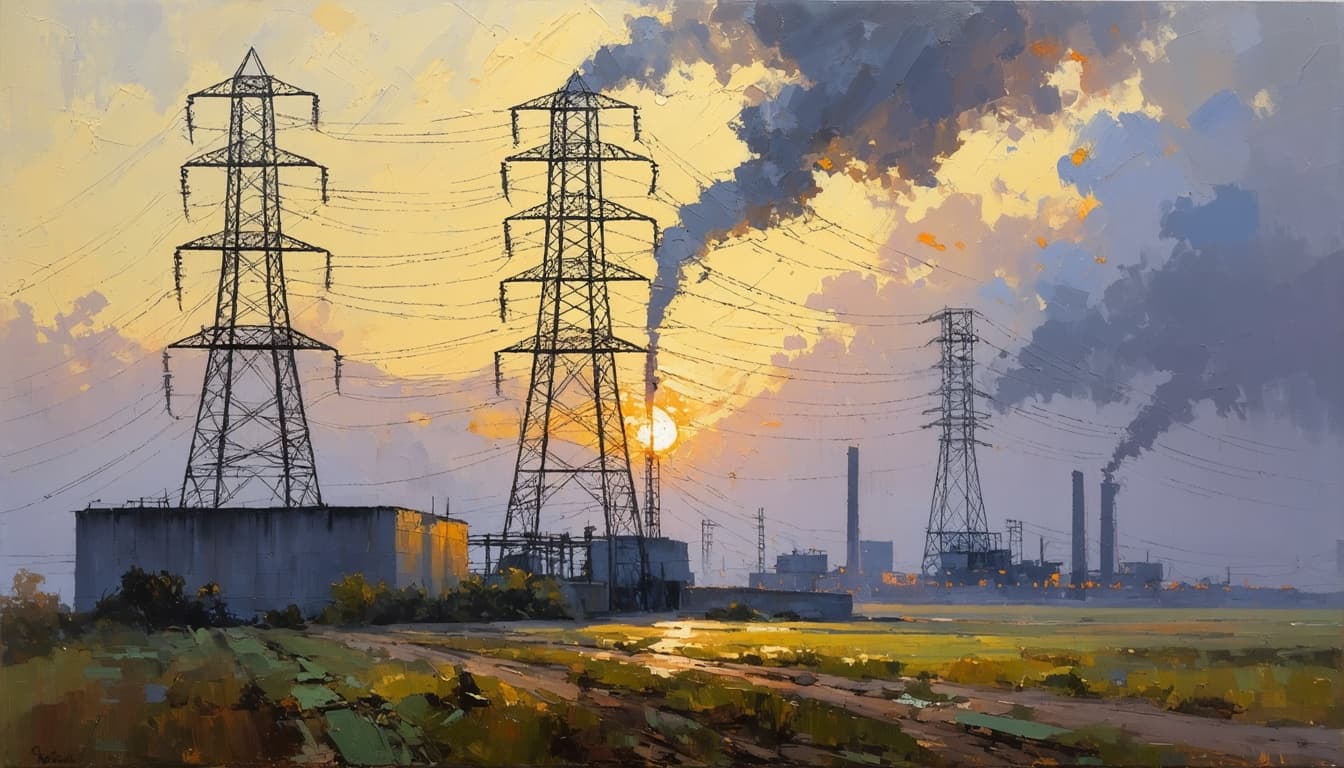
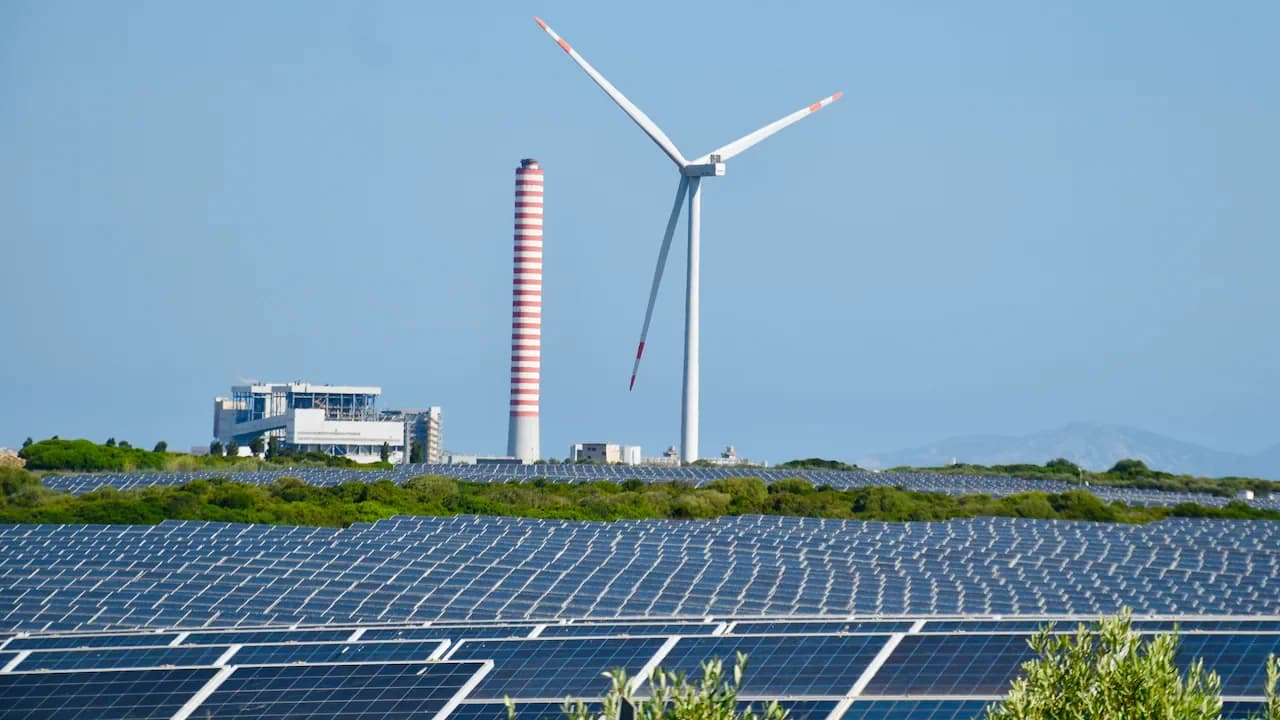
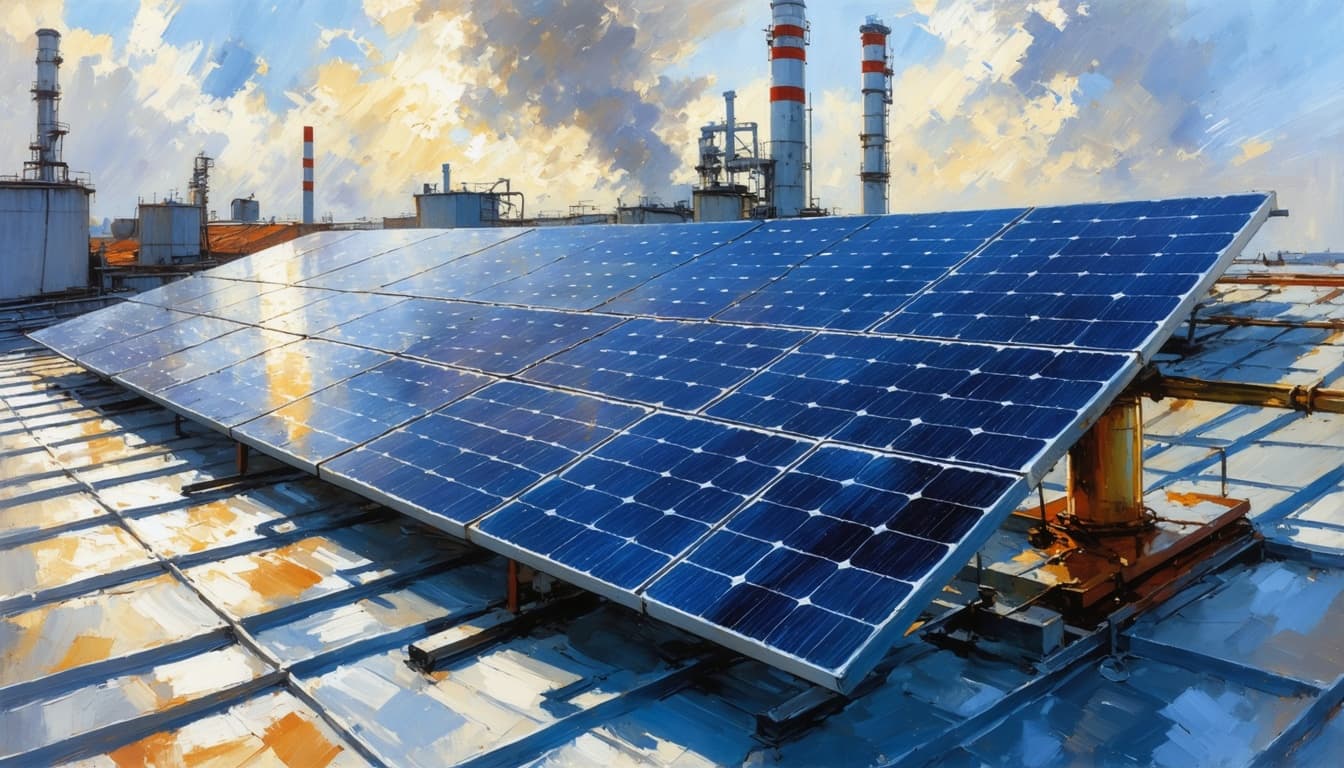
Fresh from its June 2025 demerger from parent Vedanta Ltd, Vedanta Power is charting an ambitious course.
The goal? Scale up from its current 4.78 GW capacity to a whopping 20 GW over time, with an intermediate milestone of 12 GW by FY33.
But here's what makes this story interesting: Vedanta Power isn't just adding more coal plants. The company is actively evaluating investments in hydro power, battery energy storage systems (BESS), and nuclear energy as part of a long-term diversification plan. This isn't your typical power company playbook.
Why Nuclear Makes Sense
Vedanta Power recognizes nuclear energy as a "clean, reliable round-the-clock power source" and views it as a key enabler of India's energy transition. That's a crucial distinction. Unlike solar and wind, which generate power only when the sun shines or wind blows, nuclear plants hum along steadily 24/7.
The company's logic is straightforward: as India adds more renewable energy capacity, the grid needs stable baseload power to maintain reliability. Nuclear provides exactly that. It's the foundation that supports higher renewable penetration without compromising grid stability or industrial demand.
The Balancing Act
Hydro power and BESS play different but complementary roles. Vedanta Power expects both to become "increasingly important as India adds more renewable energy capacity". Hydro power can support balancing needs—it's dispatchable and can ramp up or down based on demand. BESS, on the other hand, helps manage the rapid fluctuations in solar and wind generation.
Think of it as a three-layered approach: nuclear provides the steady foundation, hydro offers medium-term flexibility, and BESS delivers rapid response for grid stabilization. Together, they address the intermittency challenge that renewable energy poses.
The Brownfield Advantage
Here's where Vedanta Power's strategy gets practical. The company plans to drive "a significant portion of this expansion through brownfield projects, leveraging existing infrastructure and operational advantages". That's smart.
Brownfield projects—expanding at existing sites rather than building from scratch—come with clear benefits. They typically cost 30-40% less due to shared infrastructure, face lower execution risks, and have shorter timelines (2-4 years vs. 4-7 years for greenfield projects). The second 600 MW unit at the Sakti power plant, scheduled for commissioning in the second half of FY27, exemplifies this approach.
The Financial Trade-offs
Nuclear and hydro projects aren't cheap. Nuclear plants require roughly ₹15-20 crore per MW in upfront capital and take 7-10 years to build. Hydro projects cost ₹8-12 crore per MW with 5-8 year gestation periods. Compare that to thermal power at ₹5-7 crore per MW with 3-5 year timelines.
But Vedanta Power is playing the long game. Nuclear plants operate for 40-60 years with low marginal costs. Hydro assets last 35-50 years. The higher upfront investment buys decades of stable, low-cost generation. The company is balancing near-term cash flow from thermal expansion against long-term strategic positioning in nuclear and hydro.
Standing Out in a Crowded Market
Vedanta Power's integrated approach—combining conventional thermal, hydro, BESS, and planned nuclear—differentiates it from competitors. While peers like Adani Power and Tata Power focus heavily on renewables, Vedanta Power is betting on a full-spectrum portfolio that can offer grid reliability solutions, not just megawatts.
This positioning is particularly valuable for industrial customers who need reliable 24/7 power and are willing to pay a premium for it. It also positions Vedanta Power to capture growing markets for ancillary services like frequency regulation and grid balancing as renewable penetration increases.
The Standalone Advantage
The demerger and separate listing have transformed Vedanta Power from a division within a conglomerate to a focused power sector entity. This structural change brings tangible benefits. The company can now make capital allocation decisions based purely on power sector opportunities without competing for resources with aluminium, oil & gas, or steel businesses.
For investors, this creates a pure-play power sector investment opportunity. No conglomerate discount, transparent financials, and a clear growth story. The company expects to attract power sector specialists, infrastructure funds, and ESG-focused investors who might have overlooked it when buried within a diversified conglomerate.
What Lies Ahead
Vedanta Power's strategy is bold but calculated.
It's a phased approach that manages risk while building toward an ambitious vision.
The 20 GW target isn't just about capacity—it's about creating a flexible, resilient generation portfolio that can thrive in India's evolving energy landscape. If successful, Vedanta Power won't just be generating electricity; it'll be providing the grid stability solutions that India's energy transition desperately needs.
The coming years will reveal whether this integrated bet pays off. But one thing's clear: Vedanta Power isn't content with being just another thermal power company. It's positioning itself as a comprehensive power solutions provider for India's energy future.