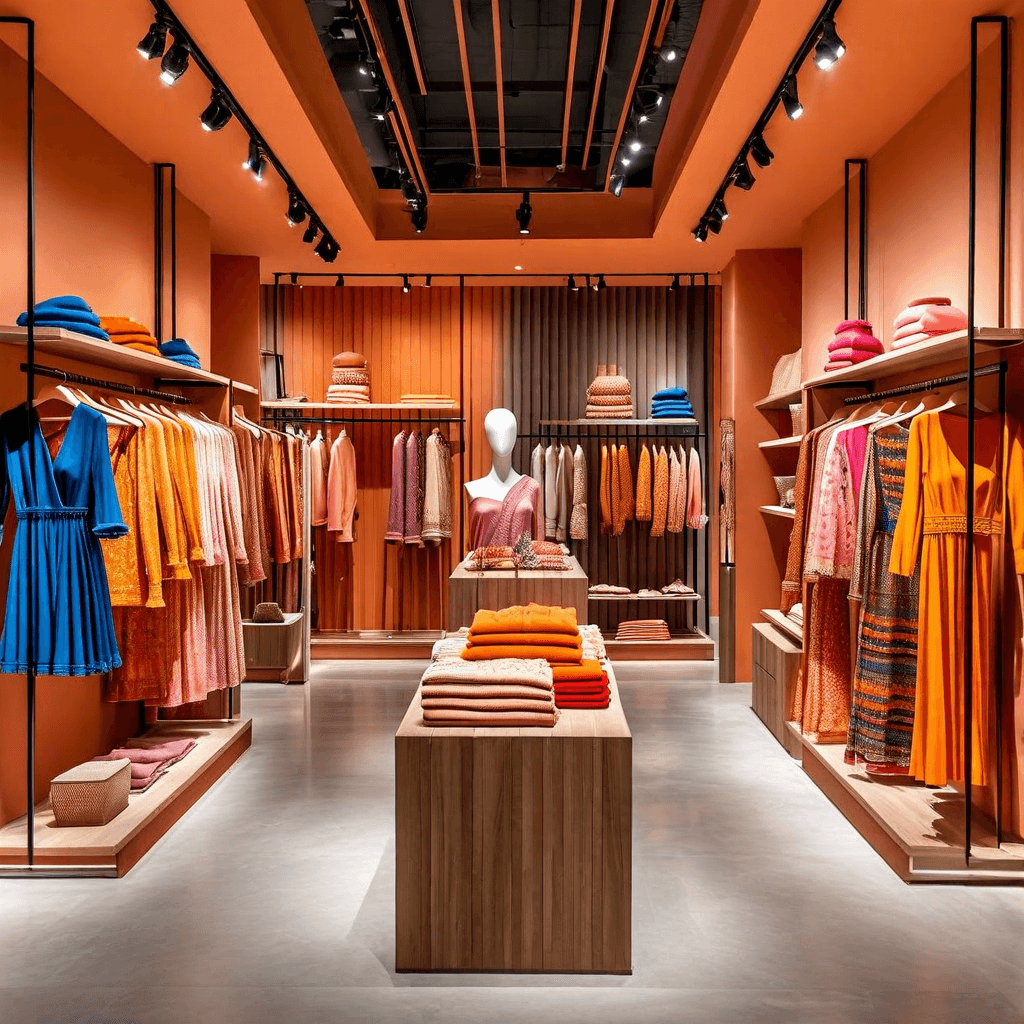
Trent Ltd, the Tata Group’s retail arm, has experienced a dramatic 50.78% stock correction from its peak of ₹8,345 to current levels around ₹4,107. This sharp markdown comes despite the company reporting robust 20% standalone revenue growth to ₹4,937 crore in Q4 FY26. The disconnect highlights growing investor concerns about the sustainability of Trent’s aggressive expansion strategy amid intensifying competitive pressures in the Indian retail sector.
The Aggressive Expansion Strategy
Trent’s store network has grown exponentially, reaching 1,286 outlets as of March 31, 2026. The portfolio now comprises 963 Zudio stores, 300 Westside outlets, and 23 stores under other lifestyle concepts. Zudio alone added 198 stores in FY26, following 244 additions in FY25. This rapid rollout has been the primary growth driver, with Zudio crossing $1 billion in sales and targeting a 1,500-store milestone. AnnualReports
The capital requirements are substantial. Each new Westside store requires ₹8-9 crore investment, while Zudio stores need ₹3-4 crore. Analysts estimate Trent needs ₹2,000-3,500 crore to support its planned FY27 expansion of 200-250 stores, focused on under-penetrated markets in North and East India. This expansion consumed nearly all of Trent’s ₹1,668 crore in operating cash flows in FY25.
The Stock Correction and Valuation Concerns
The stock’s 50% decline from its peak reflects a significant valuation de-rating. Trent currently trades at a P/E multiple of 72x for FY27 estimates, down from a peak of 140x and below its five-year average of 95x. Citi has maintained a Sell rating with a target price of ₹4,350, below current levels, citing concerns about growth moderation and competitive pressures.
Revenue growth expectations have already moderated from 20-25% to 15-17%, while like-for-like (LFL) growth has weakened to 2-3%. This deceleration is particularly concerning given the premium valuation. The stock’s 1-year return stands at -18.43%, though long-term performance remains exceptional with 5-year gains of 452%.
Margin Pressure Despite Revenue Growth
Q3 FY26 results illustrated the growing divergence between top-line and bottom-line performance. Revenue grew 15% year-on-year to ₹5,345 crore, but net profit increased only 3% to ₹513 crore. This disconnect stems from multiple factors: approximately ₹26 crore in exceptional charges linked to new labour code implementation, continued losses from the Star Bazaar grocery business (₹92 crore in FY25), and rising competitive pressures forcing increased investments. AnnualReports
Interestingly, EBITDA margins expanded to 20.22% from 18.10%, indicating strong operational efficiency. However, below-EBITDA costs including depreciation and exceptional items absorbed these gains. Goldman Sachs expects EBIT to decline 9% year-on-year in Q4 FY26 despite 18% revenue growth, highlighting weakening operating leverage.
Same-Store Sales Growth Deceleration
Zudio’s same-store sales growth (SSSG) has decelerated dramatically from 22% in FY25 to 8% in FY26. This moderation reflects several factors: new store dilution effects (350 stores opened in FY24-25 are not yet mature), network over-densification causing cannibalization, and base effect normalization. Management reported slightly negative LFL growth in Q3 FY26 due to festive calendar shifts.
The decline from high single-digit LFL growth in Q3 to expected 3-4% in Q4 directly impacts operating profit expectations. Lower same-store contribution reduces operating leverage just as costs are rising from ongoing expansion. Goldman Sachs projects store-led growth will moderate sequentially by 200 basis points in Q4.
Intensifying Competitive Pressures
The value fashion segment where Zudio operates has seen intensified competition from multiple fronts. Organized players like Reliance Retail (Trends), Aditya Birla Fashion & Retail (Pantaloons), and Shoppers Stop are expanding aggressively. More threatening is the re-entry of Chinese fast-fashion brand Shein through a partnership with Reliance Retail, bringing ultra-fast fashion and trend-led offerings at similar price points.
Regional players are also expanding, while quick commerce platforms compete for discretionary wallet share. This competitive intensity is eroding Zudio’s market share. Analysts note that acceptance of the value fashion category in smaller towns has been slower than anticipated, putting additional pressure on same-store sales.
The Market Share vs. Profitability Trade-off
Trent faces a critical strategic dilemma. To defend its market position against aggressive competitors, it must continue expanding rapidly. However, this expansion comes at the cost of margin pressure. The company is caught between maintaining market share through aggressive store additions and preserving profitability amid rising competition.
If Trent invests in improving product quality to counter competitors, margins could decline by 100-150 basis points over the next few quarters. Any margin compression could trigger further earnings downgrades and make valuations appear stretched again. The company’s strategy of avoiding discounting and active marketing spends may need to be revisited in a more competitive environment.
Store Portfolio Mix and Cannibalization Vulnerability
Trent’s store portfolio composition creates specific vulnerabilities. With 75% of stores (963 outlets) in the Zudio format, Trent is heavily concentrated in the value fashion segment—the most competitive space with low barriers to entry. Zudio’s 7,000-12,000 sq ft footprint enables micro-market penetration, but this density strategy is now backfiring as competitors target the same catchment areas. AnnualReports
In comparison, Aditya Birla Fashion & Retail operates 3,977 stores across 10+ brands, providing better diversification. ABFRL’s portfolio spans premium brands (Louis Philippe, Allen Solly) that are protected from value competition, reducing overall cannibalization risk. Trent’s reliance on Zudio for growth makes it more susceptible to competitive attacks in the value segment.
Westside, with 300 stores, provides some protection through its premium positioning, exclusive brands, and category diversification (beauty, footwear, and innerwear account for 21% of sales). However, Westside represents only 23% of the store portfolio, limiting its ability to offset Zudio’s margin pressures.
Management’s Strategic Response
Management acknowledges the challenges but remains committed to its expansion strategy. CEO P Venkatesalu emphasizes building store density in key markets while expanding into smaller towns. The approach mirrors global players like Inditex (Zara) and Primark, which prioritize dense store networks for scale advantages.
Trent is pursuing several initiatives to strengthen its competitive position: continuous market monitoring and trend spotting, geographic expansion into underpenetrated Tier 2/3 markets, category expansion into beauty, lingerie, and footwear, and international learning from UAE operations. The company’s no-discount strategy and focus on own brands with credible quality provide some differentiation, but may need reinforcement in a more competitive landscape. AnnualReports +2
Outlook and Key Monitoring Points
Trent’s near-term outlook remains challenging. Analyst consensus expects 18% revenue growth in Q4 FY26, supported by a favorable base effect (mid-single digit LFL growth in Q4 FY25) and modest LFL recovery to 3-4%. However, margin pressures persist from raw material inflation, competitive intensity, and expansion costs.
Investors should track several critical metrics: LFL growth trajectory (below 3% would be concerning), EBITDA margin sustainability (below 19% would indicate deterioration), Star Bazaar’s path to profitability, and store productivity trends in densified markets. The stock’s valuation at 72x FY27 earnings leaves little room for disappointment.
Despite the challenges, Trent remains India’s best-executed retail story with superior capital efficiency (ROE of 32% and ROCE of 32% in FY25) and a healthy balance sheet (debt-equity ratio of 0.42). The company’s ability to navigate competitive pressures while maintaining growth discipline will determine whether the current valuation proves justified or requires further adjustment.