Titan Company's Q2 FY27 results have sparked plenty of conversation. The jewellery business grew 24% to Rs 17,495 crore, and margins expanded significantly. But here's the thing: the headline numbers don't tell the whole story. Let's break down what actually drove this performance, from diamond-studded jewellery to CaratLane's growth, and what it means for Titan's future.
The Diamond Push and Margin Magic
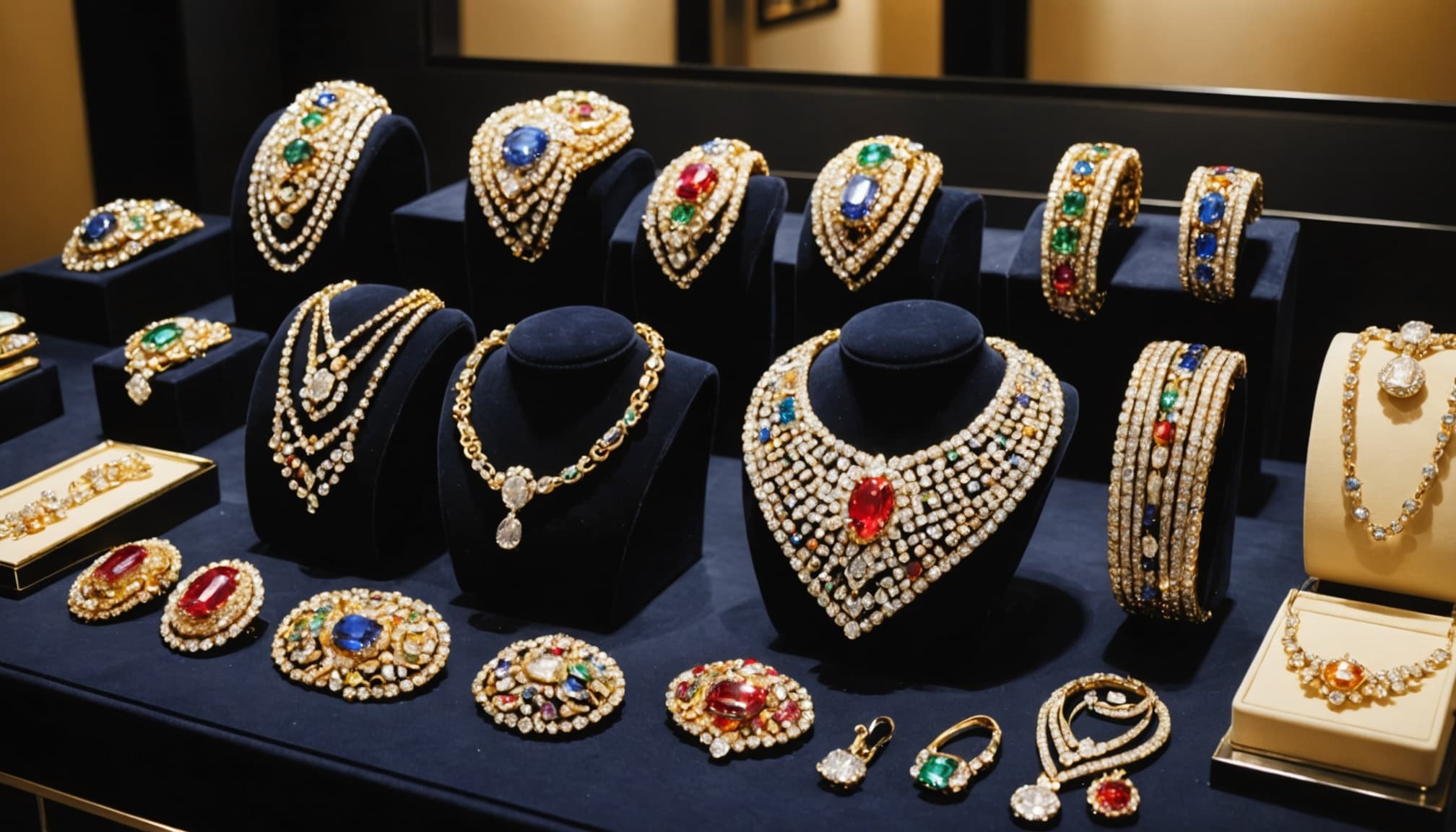
The "Festival of Diamonds" campaign drove studded jewellery growth of about 32% year-on-year, while plain gold grew around 20%. This isn't just about selling more—it's about selling smarter. Studded jewellery typically carries better margins than plain gold, which is more closely tied to bullion prices. Investor Presentation
The numbers back this up.
This mix shift, combined with design-led collections that resonated across age groups, helped push Tanishq, Mia, Zoya and beYon's EBIT margin to 14.3%, up 326 basis points. That's well above management's stated long-term margin centre of around 11%. Investor Presentation +2
But here's the catch: some of this margin boost came from one-time gains. A customs duty change created a Rs 407 crore consolidated gain in Q1 FY27, which flows through over a couple of quarters as inventory sells. Management has signaled these benefits will reverse, so the current margin expansion isn't entirely sustainable. Transcript
CaratLane: Growth Story, Margin Puzzle
CaratLane's 31% growth to Rs 1,408 crore is impressive, no doubt about it. Studded jewellery grew about 33% and gold about 20%, backed by healthy double-digit buyer growth and increased advertising spend. The brand added 13 net stores during the quarter, expanding its footprint. Investor Presentation
However, CaratLane's margin picture is more nuanced. Reported EBIT was Rs 138 crore at a 9.8% margin, but this includes a one-time customs duty benefit of Rs 46 crore. Strip that out, and EBIT drops to Rs 92 crore at a 6.6% margin—actually down about 15% year-on-year. So while CaratLane is growing fast and gaining market share, it's not yet contributing meaningfully to Titan's overall margin expansion.
Watches and Eyecare: The Quiet Contributors
The watches business delivered a stellar performance, with domestic revenue growing about 27% to Rs 1,838 crore (the infographic shows Rs 1,881 crore). Analog watches grew in the late twenties, driven by both volume and higher average selling prices. Smartwatches returned to growth in the late single digits, helped by premium offerings. More importantly, watches EBIT surged about 73% to Rs 417 crore, with margins expanding to 22.7%. This segment earns about 15% of consumer EBIT on just 9% of income, making it Titan's most profitable business per rupee of revenue. Investor Presentation +2
Eyecare, though smaller, grew 28% to Rs 277 crore (the infographic shows Rs 281 crore). Growth was broad-based across lenses, frames, and sunglasses, with international brands performing well. EBIT nearly doubled to Rs 25 crore at a 9.1% margin. While eyecare is only about 1% of consumer income, it demonstrates Titan's ability to build profitable adjacencies beyond jewellery. Investor Presentation +1
Store Expansion and International Ambitions
Titan added 42 net new stores in India during Q2 FY27, with Mia (+18) and CaratLane (+13) leading the way. Tanishq added just 7 stores, while Zoya's footprint remained unchanged at 13 stores. This expansion pattern tells a story: Titan is pushing accessible formats and diamond-led brands rather than just adding more flagship Tanishq stores. Investor Presentation
Internationally, Titan opened a Tanishq store in Los Angeles, bringing its international footprint to 33 stores. Business grew about 41% in North America and 23% in the GCC, driven by demand from the Indian diaspora and new store openings. However, the international jewellery business overall generated just Rs 20 crore of EBIT on Rs 1,152 crore of revenue—a roughly 1.7% margin. The drag comes largely from Damas, which has been impacted by Middle East conflict. Management expects Damas to recover quickly once conditions normalize, and notes that the rest of the international portfolio earns mid-single-digit margins. Investor Presentation +4
Emerging Businesses: Investing for Tomorrow
Titan's emerging businesses—Taneira, women's bags (Irth and Fastrack), and fragrances (Skinn and Fastrack)—grew revenue 21% to Rs 171 crore but recorded a Rs 6 crore loss. This loss narrowed significantly from Rs 24 crore a year ago, mainly due to improved profitability in fragrances. Investor Presentation +1
The growth drivers are clear: women's bags saw high-teens growth from new stores and higher average selling prices, while fragrances delivered strong double-digit volume growth. Taneira, however, is in a fix-before-scale phase. Management is reviewing its store operating model, focusing on merchandise mix, price points, and same-store performance before accelerating expansion. Investor Presentation +2
These investments are strategic bets on formalization and premiumization in underpenetrated categories. At under 1% of consolidated revenue, the losses are immaterial to Titan's overall profitability. The company's return on capital employed remains strong at 46% in FY26, suggesting these bets aren't diluting returns—yet. Investor Presentation
Demand Resilience Amidst Festive Shift
Perhaps the most impressive feat was sustaining demand despite a strong base quarter and a notable shift in the festive calendar into Q3 FY27. Titan achieved about 25% consolidated operating growth, with broad-based demand across markets. Investor Presentation
How? Buyer growth was flat for the main jewellery portfolio, but growth came from higher average ticket sizes and a preference for design-led jewellery. Elevated gold prices made exchange the dominant form of gold purchase, which also inflated value growth. Attractive consumer offers, including the Festival of Diamonds campaign, resonated across age groups and markets. Investor Presentation +1
Management has acknowledged that competitive intensity hasn't eased, particularly in regions like Gujarat. The promotional strategy likely traded some margin for volume, but the mix shift toward studded jewellery and one-time gains more than offset the discount costs. Transcript
The Road Ahead
Titan's Q2 FY27 performance underscores the power of product mix and execution. The shift toward diamond-studded jewellery, strong watches performance, and resilient demand despite headwinds all point to a business that's firing on multiple cylinders.
But investors should keep a few things in mind. The margin expansion includes one-time benefits that will reverse. CaratLane and emerging businesses are growing fast but aren't yet profit contributors. International expansion remains a long-term optionality rather than a near-term earnings driver.
With market share still in single digits, there's room to grow. The question isn't whether Titan can grow—it's whether it can maintain margins as the one-time gains fade and competition intensifies. That's the story worth watching in the coming quarters. Transcript +1