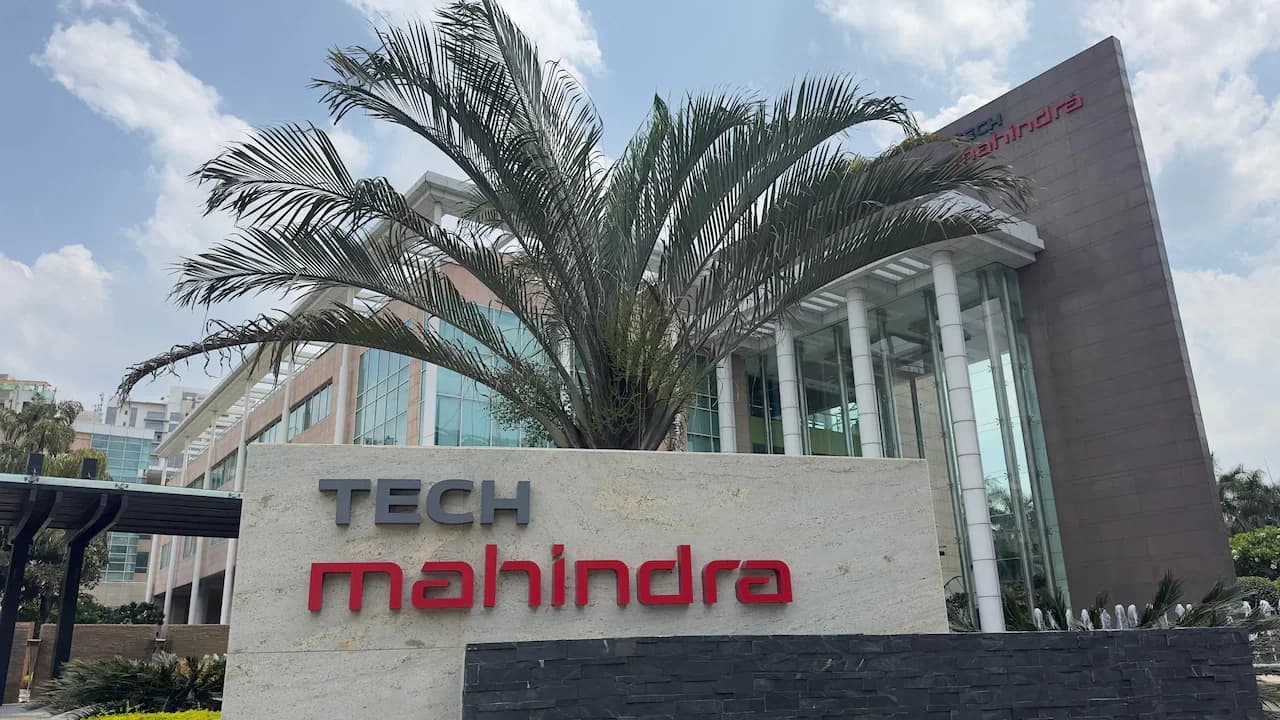
Tech Mahindra has dropped a Diwali bombshell. The company's board will consider a bonus share issue alongside an interim dividend when it meets on October 15-16, 2026.
The timing is deliberate—coming just weeks before Diwali and paired with Q2 FY27 results, it sends a clear signal about management's confidence in the company's turnaround story.
The Financial Foundation: Why Now?
Tech Mahindra's balance sheet has transformed dramatically since 2015. Reserves and surplus have ballooned from ₹11,769 crores to ₹29,173 crores—a 148% increase over eleven years. The company is debt-free with a net cash position exceeding ₹20,000 crores. Free cash flow generation has strengthened to ₹7,747 crores in FY26, up from ₹1,325 crores in FY15. AnnualReports
This financial muscle enables a dual approach: rewarding shareholders through both dividends and bonus shares without compromising growth investments. The company's capital allocation policy commits to distributing 85% or more of free cash flow over a five-year period through dividends and/or buybacks. The bonus issue proposal doesn't replace this commitment—it complements it. AnnualReports +1
Bonus Impact: Equity Base and EPS
The 2015 bonus issue doubled the equity base from approximately 487 million shares to 974 million shares through a 1:1 ratio. This naturally diluted earnings per share proportionally, but it was an accounting adjustment rather than a value destruction. The same principle applies in 2026—the bonus ratio (yet to be announced) will increase share count and reduce EPS mathematically, but the underlying business value remains unchanged.
What's different this time? The reserves base is nearly 2.5 times larger. In 2015, reserves stood at ₹11,769 crores against equity capital of ₹480 crores—a reserves-to-equity ratio of 24.5x. Today, that ratio has jumped to 65.9x. This means Tech Mahindra has substantially more capacity to issue bonus shares without straining its balance sheet. AnnualReports
The Diwali Timing: Strategic Messaging
The Diwali season isn't just about sentiment—it's about performance. Historical data shows the Nifty 50 has delivered average returns of 6.5% in the three months following Diwali, compared to just 3.1% for random quarters. Eight out of the last ten Diwali periods have seen positive market outperformance.
Tech Mahindra's announcement leverages this seasonal strength. The company has 7.1 lakh retail shareholders holding a 6.18% stake. Public shareholding has declined from 7.64% in FY26 Q1 to 6.92% in FY27 Q1, indicating reduced retail participation. The bonus issue directly addresses this trend by making shares more accessible and improving liquidity.
Operational Turnaround: The Real Story
The bonus issue isn't happening in a vacuum. Tech Mahindra is midway through a three-year strategic plan targeting FY '27.
This marks the eighth consecutive period of margin expansion. Transcripts
Deal wins tell a similar story. The company delivered $816 million in Q2 FY26, up 57% year-on-year. Deal wins have exceeded $800 million for three consecutive quarters, with management eyeing the billion-dollar mark. This operational momentum provides the earnings visibility needed to support an expanded equity base. Transcripts +1
Capital Allocation: Peer Comparison
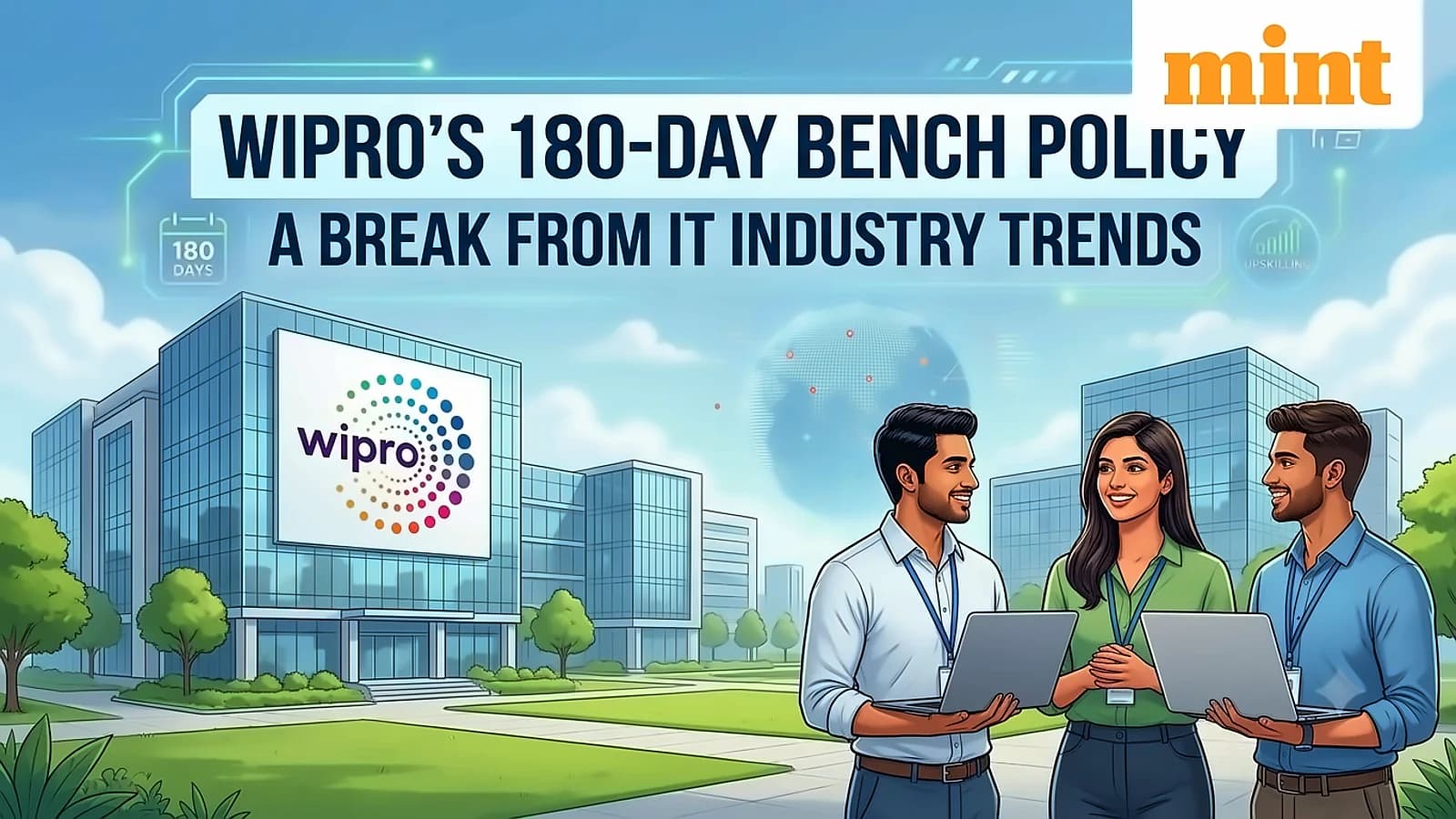
Tata Consultancy Services and Infosys focus on dividends and buybacks. TCS returns 80-100% of free cash flow, while Infosys targets 85% over five years. HCL Technologies maintains a dividend-focused approach with a 75% net income payout policy. Only Wipro has recently used bonus shares, issuing a 1:1 bonus in December 2024. Others +2
Tech Mahindra's 85%+ FCF policy aligns with TCS and Infosys, but the bonus issue adds a retail-friendly dimension. This differentiation matters in a sector facing growth challenges and investor pressure for better returns. The IT sector grew 7.5% in FY26, moderating from earlier highs, while discretionary spending remains cautious.
What This Means for Shareholders
For the 7.1 lakh retail shareholders, the bonus issue serves multiple purposes. It increases share count without additional cost, improves liquidity by lowering the per-share price, and signals management's confidence in sustained future earnings. The tax treatment is favorable—bonus shares aren't taxed at issuance, with capital gains tax applying only upon sale.
The dividend component provides immediate income. Tech Mahindra has paid ₹168 per share over the last three years, including interim dividends of ₹15 each in October 2025 and 2024, and final dividends of ₹30 in 2025, ₹28 in 2024, and ₹32 in 2023. The FY26 final dividend of ₹36 per share was the highest on record.
The Competitive Landscape
Will this trigger competitive responses? History suggests not immediately. Wipro's December 2024 bonus didn't prompt similar moves from TCS, Infosys, or HCL Tech. Companies tend to follow their own capital allocation philosophies rather than match peer actions.
However, the broader trend toward higher shareholder returns is undeniable. All IT majors are increasing distributions through various mechanisms. Infosys completed an ₹18,000 crore buyback in December 2025. Wipro approved its largest-ever buyback of ₹15,000 crore. TCS has executed five buybacks since listing. Tech Mahindra's bonus issue fits this pattern of enhanced shareholder value creation. Others +2
Looking Ahead
The bonus proposal is under consideration—the ratio and record date are yet to be announced. What's clear is that Tech Mahindra's management believes the operational turnaround is sustainable. The company has moved from restructuring mode to growth mode, and the capital allocation strategy reflects this transition.
The Q2 FY27 results, announced alongside the bonus decision, will be crucial. Brokerage firm Kotak forecasts 1.6% quarter-on-quarter growth, driven by contribution from the Orange deal and ramp-up of strong deal wins. Steady EBIT margins are expected, with rupee depreciation benefits offset by wage revision headwinds.
For investors, the message is straightforward: Tech Mahindra is backing its turnaround with shareholder-friendly actions. The bonus issue isn't a substitute for operational performance—it's a complement to it. The real test will be whether the company can sustain the margin expansion and deal momentum that made this announcement possible.