The Shapoorji Pallonji (SP) Group’s 18.4% stake in Tata Sons isn’t just an investment—it’s the collateral backing its survival. This holding, secured through Cyrus Investments, anchors high-yield bonds issued by SP Group entity Eqyizen Investment.
That creates a hard deadline: roughly 18 months from now to convert this illiquid private stake into cash. The bonds attracted over ₹21,500 crore in bids, showing investor appetite, but that appetite comes with expectations—monetization must happen, and soon.
The pressure isn’t just theoretical. SP Group faces ₹3,500 crore in near-term debt maturities.
A resolution would be a windfall for them. For SP Group, the clock is ticking. Failure to monetize by July 2028 risks default, making the 18-month window not just a target but a necessity.
The Valuation Quagmire: Why Direct Deals Falter
Three structures are on the table, but they’re not created equal. A direct buyout by Tata Sons, financed by overseas banks, faces valuation headwinds. Tata Sons is privately held, controlling everything from listed giants like Tata Consultancy Services to unlisted turnaround projects like Air India and growth engine Tata Electronics. Agreeing on a price for that portfolio is a nightmare. Air India alone lost ₹22,238 crore in FY26—80% of Tata Sons’ unlisted business losses—while Tata Electronics doubled revenue to ₹1.3 trillion but still lost ₹1,611 crore. How do you value that mix? You can’t. Not easily, anyway.
A sale to an external global investor brings its own problems. Who pays a premium for a minority stake in a philanthropy-controlled conglomerate? The 18.4% holding lacks control rights, inviting a minority discount. Plus, Tata Trusts’ 66% ownership means any new shareholder answers to them, not the other way around. That limits strategic appeal.
The Share Swap Advantage
Enter the share swap. This structure elegantly sidesteps the valuation quagmire. SP Group would surrender some or all of its Tata Sons stake in exchange for shares in listed Tata companies, potentially including Tata Power Company Limited. Listed shares have market prices—no valuation disputes. They’re liquid—SP Group can sell them immediately or pledge them for more funding. It’s a clean exit from an illiquid trap into tradable assets. For Tata Sons, it avoids massive cash outlays and preserves the group’s strategic direction. For SP Group, it solves the immediate funding crisis.
But the share swap isn’t a regulatory free pass. It involves listed entities, triggering SEBI’s Related Party Transaction (RPT) framework. Tata Power’s audit committee would need to approve the swap, followed by board and potentially shareholder approval if materiality thresholds are crossed. Quarterly disclosures, XBRL filings, and arm’s-length pricing requirements add layers of compliance. The process could take 3-6 months, eating into that 18-month timeline. Yet, compared to the valuation battles of a buyout or the uncertainty of an external sale, the regulatory path, while complex, is at least navigable.
Noel Tata’s Dual Leverage
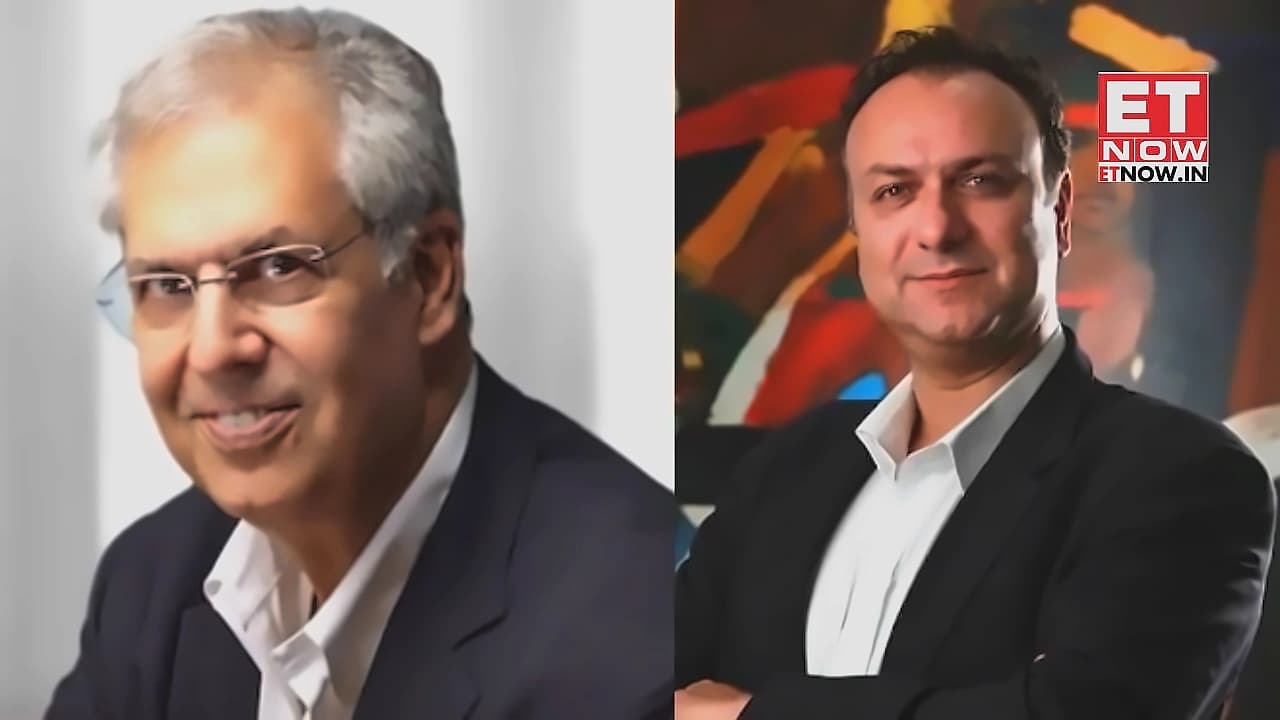
The man driving this potential resolution sits at a unique intersection of power and family. Noel Tata, chairman of Tata Trusts, controls the 66% stake that calls the shots. He’s also on the Tata Sons board. But his leverage comes from more than titles—he’s married to Aloo Mistry, sister of SP Group Chairman Shapoor Mistry. That family bridge, combined with his formal authority, makes him perhaps the only person capable of breaking the years-long deadlock that has “cast a shadow on the credibility of both sides”.
Timing favors Noel.
Chandrasekaran’s exit followed a boardroom deadlock over his reappointment, with reports suggesting opposition from Noel Tata himself over concerns about losses in new businesses. The new chairman will likely align more closely with Tata Trusts’ vision, potentially prioritizing settlement of the SP Group issue over continued aggressive expansion. This leadership transition, happening roughly six months before the July 2028 debt deadline, creates a window for decisive action.
Regulatory Shadows and Market Signals
Looming over everything is the Reserve Bank of India’s regulatory shadow.
That deadline lapsed on September 30, 2025. Tata Sons applied to surrender its Core Investment Company registration to exit the NBFC framework, but RBI hasn’t ruled yet. A successful SP Group resolution could strengthen the case for continued private status by demonstrating liquidity without listing. Conversely, continued uncertainty increases regulatory pressure. The central bank’s rules don’t just add urgency—they constrain strategic options, making structures that preserve private status, like the share swap, more attractive.
The market is watching closely. A resolution would send powerful signals. For minority shareholders in Tata Sons, it establishes a liquidity precedent and valuation benchmark. For investors in listed Tata companies, it removes overhang and could trigger re-rating as uncertainty dissipates. The chosen structure itself signals strategic intent—a share swap suggests group cohesion and internal problem-solving, while an external sale might signal openness to outside influence. Given the Tata Group’s systemic importance—employing over a million people and generating $180 billion in revenue—this isn’t just corporate drama; it’s a defining moment for one of India’s oldest conglomerates.
The path forward seems clear, if complex. Noel Tata’s dual leverage, Chandrasekaran’s impending exit, and the crushing July 2028 deadline create alignment. The share swap structure offers the most viable path—addressing SP Group’s liquidity needs, preserving Tata Trusts’ control, and navigating regulatory constraints better than alternatives. Valuation disputes get resolved by market prices, not negotiation tables. Regulatory hurdles, while significant, are surmountable with proper approvals. The question isn’t whether a resolution will happen—it’s whether it happens fast enough to beat the bond payment clock. If it does, it ends a decades-old partnership on mutually agreeable terms. If not, the consequences could ripple far beyond two feuding business families.