The Regulatory Trigger: Why Tata Sons Made the Cut
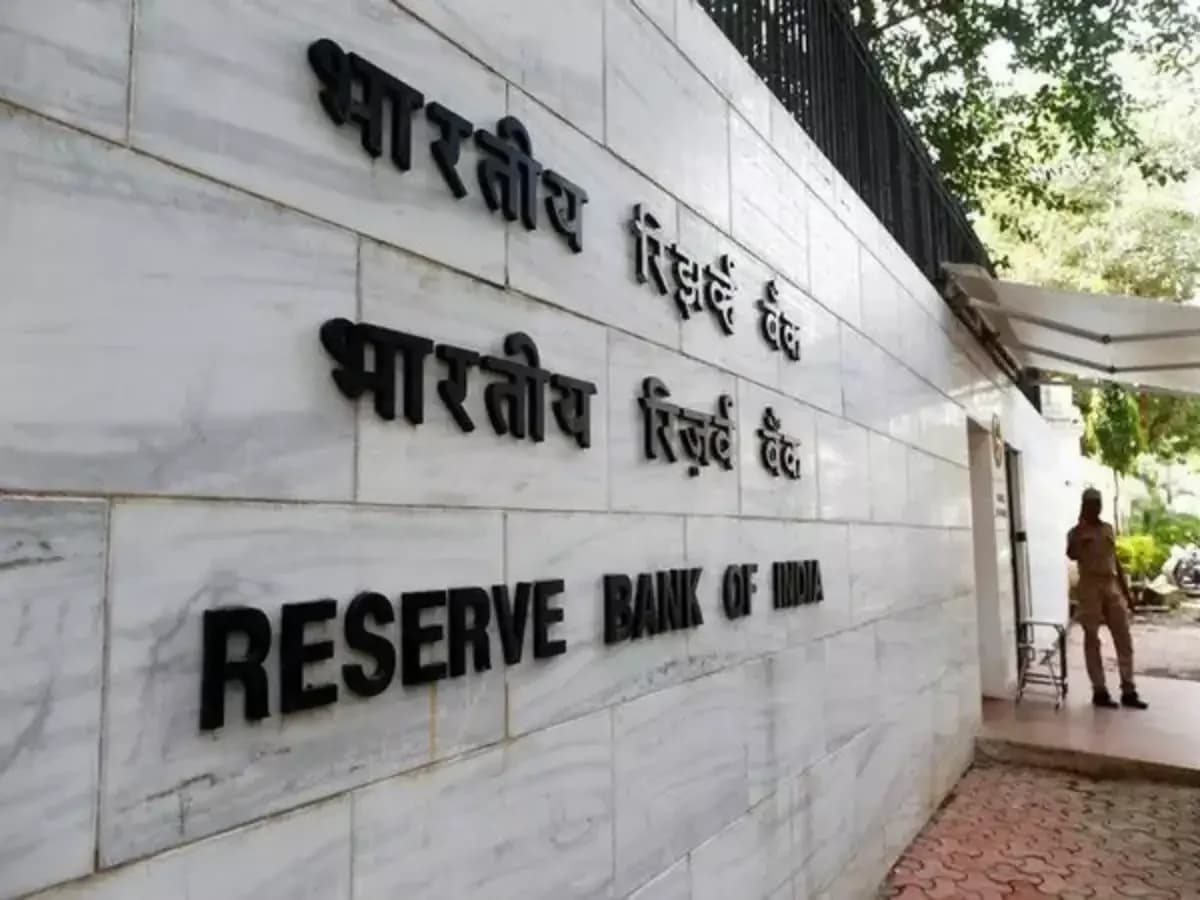
The Reserve Bank of India (RBI) has classified Tata Sons as an Upper-Layer Non-Banking Financial Company (NBFC-UL) under its Scale-Based Regulation (SBR) framework.
This new asset-based rule replaces the earlier discretionary scoring methodology, creating a bright-line test that makes Tata Sons' inclusion unavoidable.
However, the classification goes beyond mere balance sheet size. The RBI has adopted a "principle-based" approach, reinstating a definition that treats funds received via listed group companies—such as Tata Steel, Tata Chemicals, and Tata Power—as "indirect public funds". This is significant because Tata Sons had repaid its standalone debt in 2024, effectively removing direct public funds from its books. By expanding the definition to include indirect flows, the RBI has closed a potential regulatory arbitrage gap, ensuring that systemically significant holding companies cannot evade oversight simply by routing funds through subsidiaries.
The Compliance Burden: Capital, Liquidity, and Governance
The NBFC-UL classification subjects Tata Sons to a regulatory regime that closely mirrors scheduled banks. The most immediate impact is on capital adequacy. Tata Sons must now maintain a Capital to Risk-Weighted Assets Ratio (CRAR) of 15%, with Tier-I capital constituting at least 10% of risk-weighted assets. On top of this, there is an additional requirement to maintain a Common Equity Tier 1 (CET1) ratio of at least 9%. This represents a substantial upgrade in capital quality requirements compared to its previous status.
Liquidity management faces similar tightening. Tata Sons must maintain a Liquidity Coverage Ratio (LCR) of 100%, ensuring it holds sufficient high-quality liquid assets to survive a 30-day stress scenario without external support. This necessitates robust cash flow forecasting and a strategic shift toward holding more liquid, lower-yielding assets.
Governance standards are also being elevated. The framework mandates a Risk Management Committee at the board level, an independent Chief Compliance Officer, and enhanced disclosure norms. Perhaps most consequential is the requirement for NBFC-UL entities to list on stock exchanges within three years of notification—a deadline Tata Sons has already missed, having been initially classified in September 2022.
The Listing Dilemma: Strategic Trade-offs and Ownership Dynamics
The mandatory listing requirement has created a fundamental strategic dilemma for the Tata Group. On one side lies the argument for preserving the private structure.
This patient capital approach has been crucial for incubating new ventures like Air India and Tata Digital, which reported losses of Rs 22,238 crore and Rs 4,974 crore respectively in FY26.
Dividends from Tata Sons fund these trusts' charitable activities in healthcare, education, and rural development. A listing would dilute the trusts' control, expose intra-group cash flows to market scrutiny, and potentially create pressure for higher dividend payouts to satisfy public market investors.
The SP Group faces its own debt challenges and views a public listing as a transparent exit route. The regulatory pressure has intensified these internal divisions, with some Tata trustees publicly favoring listing while the trusts passed a resolution in July 2025 advocating for private status.
Market Reaction: Transparency Premium and Value Unlocking
The market's initial reaction to the NBFC-UL classification has been notably positive for certain Tata Group entities. Shares of Tata Investment Corporation and Tata Chemicals rallied up to 6-7% following the RBI's announcement. This optimism stems from several factors.
Tata Chemicals holds a 3% stake in Tata Sons, valued at approximately Rs 20,000 crore—more than its own market capitalization. The prospect of a Tata Sons listing represents a massive hidden asset value unlock for shareholders. Similarly, Tata Investment Corporation, as a pure investment holding company, stands to benefit from improved transparency and governance standards across the group ecosystem.
The classification fundamentally alters investor perception by reducing information asymmetry. Enhanced regulatory oversight and disclosure requirements serve as a powerful governance proxy, providing minority investors with greater visibility into the holding company's operations.
A listing would likely re-rate all listed Tata companies upward as this structural discount collapses.
Operational Impact: Funding, Leverage, and Capital Allocation
Beyond the headline listing debate, the NBFC-UL classification will force significant operational adjustments in how Tata Sons manages its finances and supports the group.
The enhanced capital requirements will likely compel Tata Sons to optimize its capital structure, potentially reducing leverage to meet stricter CRAR requirements and increasing equity capital through a potential public offering. The cost of capital may rise due to higher compliance costs and potential rating agency scrutiny, though access to public markets could eventually lower the cost of equity through improved liquidity.
The Large Exposure Framework (LEF) will impose stricter limits on inter-corporate lending and investments. Single borrower exposure will be capped at 25% of Tier-I capital, and lending against shares limited to 20%. This could constrain Tata Sons' historical flexibility in providing strategic support to struggling group companies or making long-term investments in new ventures without immediate return expectations.
Dividend policy faces new pressures. Tata Sons' main revenue source is dividend income, which totaled Rs 32,528 crore in FY26, with Rs 2,953 crore flowing to Tata Trusts. The regulatory classification may require balancing capital conservation needs with philanthropic commitments, potentially reducing dividend flows if regulatory capital ratios need strengthening.
The Path Forward: Regulatory Crossroads
Tata Sons has applied to surrender its Core Investment Company (CIC) registration, arguing that repaying its debt removes it from the regulatory perimeter. However, the RBI's expanded definition of "public funds" to include indirect flows through listed subsidiaries makes this argument increasingly tenuous. The central bank has clarified that Tata Sons' inclusion in the NBFC-UL list is "without prejudice" to the outcome of its de-registration application, which remains under examination.
The resolution of this regulatory standoff will have profound implications. A successful de-registration would allow Tata Sons to return to fully private status under Tata Trusts' 66% control. A rejected application would force an IPO, bringing SEBI's Listing Obligations and Disclosure Requirements (LODR) framework to bear on India's biggest holding company—a governance and related-party disclosure event of unprecedented scale.
For now, the RBI's bright-line Rs 1 lakh crore rule has set a clear marker: scale and interconnectedness demand proportionate oversight. The Tata Group's response will not only determine its own future structure but also establish a precedent for how India's largest business houses navigate the evolving regulatory landscape.