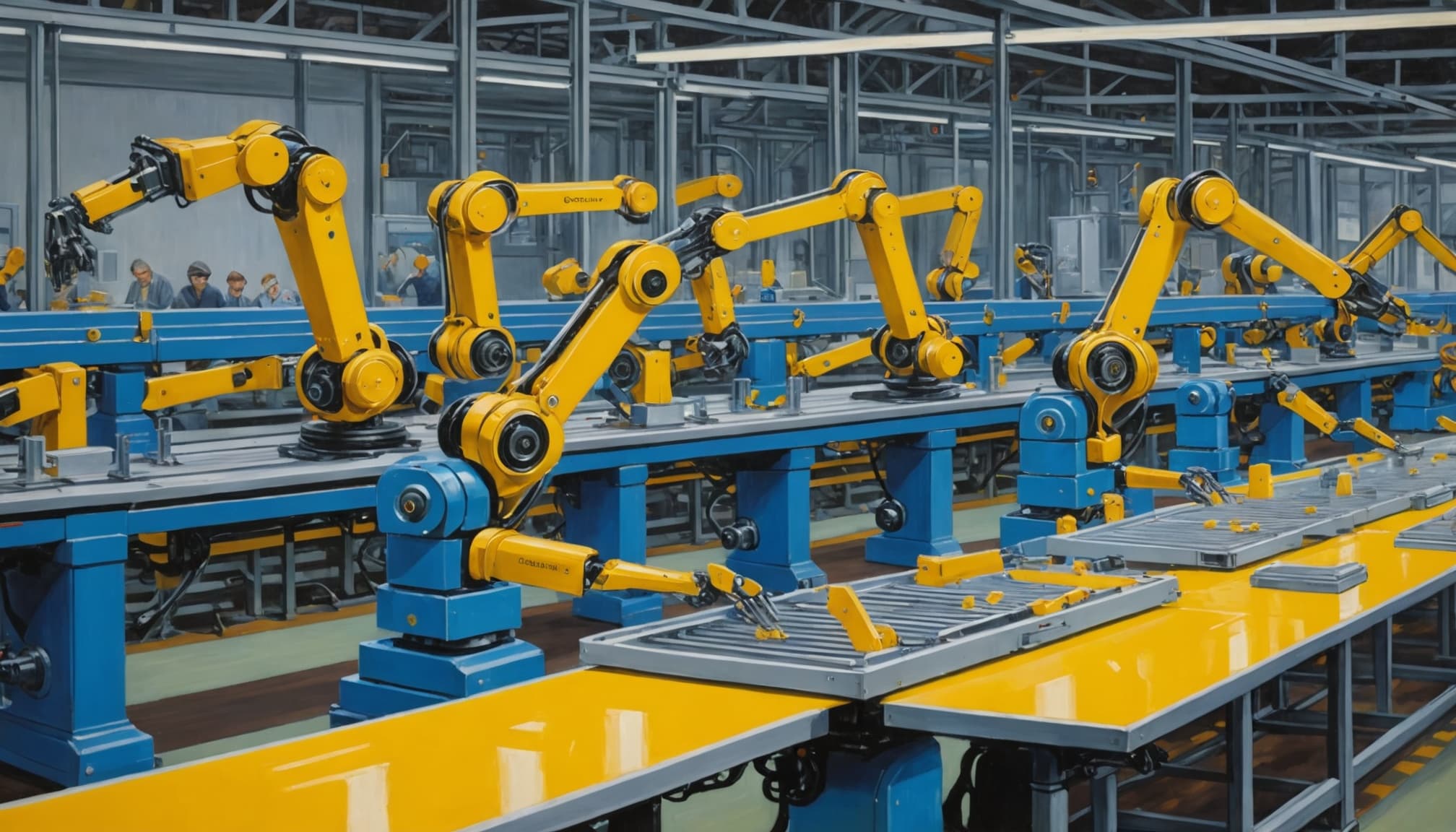
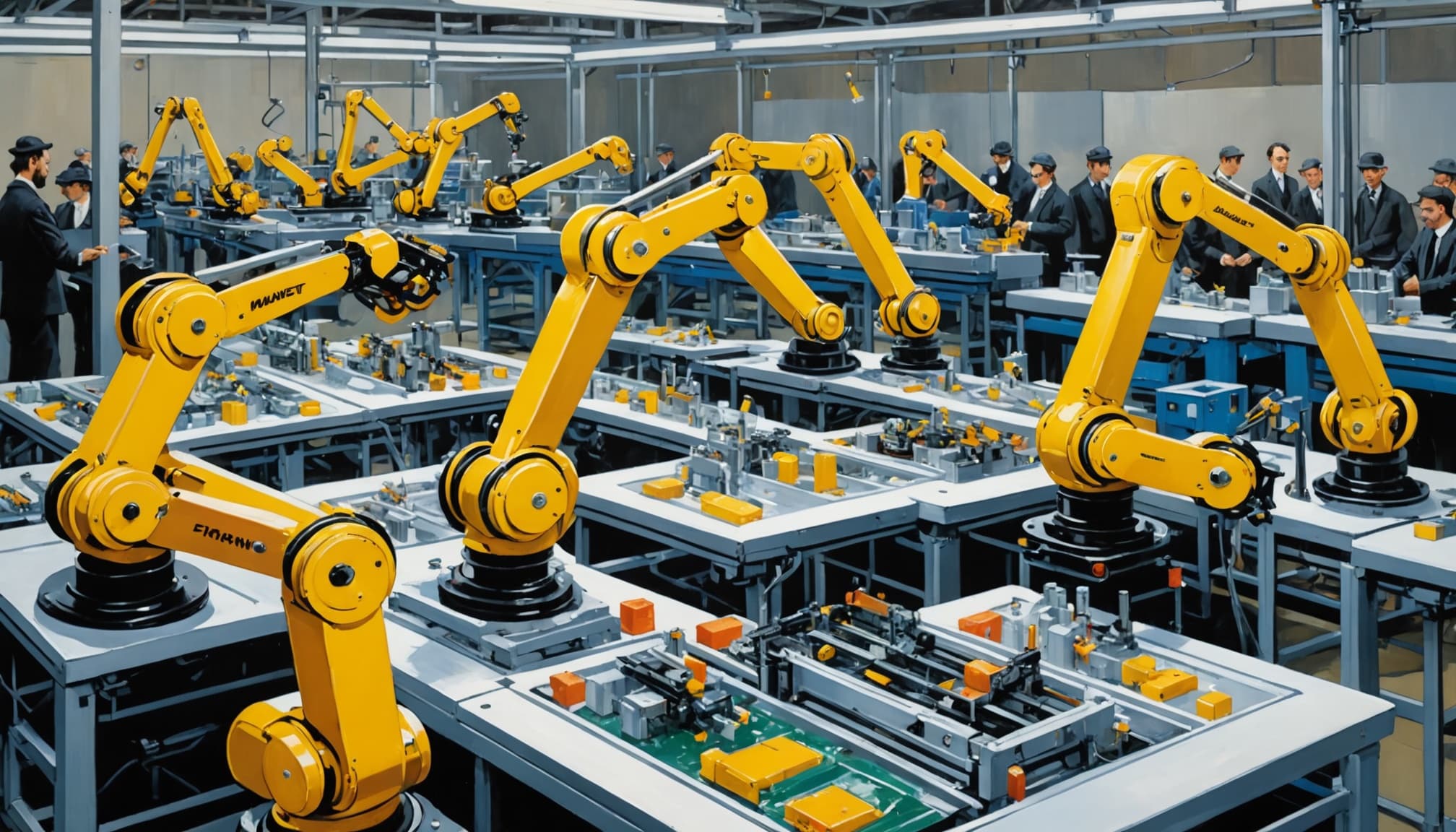
The Japanese automaker is simultaneously pursuing three massive initiatives: halving vehicle development times by 2030, standardizing Advanced Driver Assistance Systems (ADAS) across its portfolio, and expanding Indian manufacturing capacity to 4 million units annually by FY30. This represents a 38% increase from current levels of 2.9 million units. The strategy positions India not merely as a sales market, but as Suzuki's primary global manufacturing and export hub, already contributing 42.6% of the company's worldwide revenue.
Accelerating Development Without Compromising Quality
Suzuki's plan to cut vehicle development cycles in half by 2030 fundamentally rethinks how cars are made. Instead of the traditional sequential approach—planning, design, production engineering, quality assurance, and procurement happening one after another—Suzuki is shifting to concurrent development where all these functions work simultaneously from project inception. This transformation targets a 30% improvement in development efficiency and a 50% boost in manufacturing efficiency above the standards set at its flagship Manesar plant.
The impact on R&D expenditure intensity is nuanced. While total R&D investment will increase to support advanced digital tools and concurrent engineering capabilities, the cost per model developed is expected to decrease substantially. Maruti Suzuki invested ₹9,135 million in R&D during FY 2023-24, up from ₹7,650 million the previous year. The company has also achieved significant cost savings through Value Analysis/Value Engineering—₹508 crores in FY 2023-24 and ₹5,461 million in FY 2022-23. The 30% improvement in development efficiency suggests that while R&D intensity may rise initially due to technology investments, the per-model development cost should decline through modularization, digital simulation reducing physical prototype requirements, and concurrent development reducing rework cycles. AnnualReports +2
India plays a central role in this 10-year technology strategy. Suzuki has identified Japan and India as the two key centers of its global business foundation. The operating model is clear: technologies developed in Japan are shared with Maruti Suzuki and adapted for specific markets, while India serves as a manufacturing and export hub. This division of responsibilities leverages India's cost advantages and growing engineering capabilities—2,487 engineers at the Rohtak R&D center—while maintaining Japan's leadership in core technology development. AnnualReports
Quality Assurance in the Fast Lane
The critical question is whether Suzuki can compress timelines without compromising safety. The company maintains rigorous quality standards through advanced testing infrastructure at its Rohtak facility, including CAE simulation capabilities, a Multi-Axial Simulation Table (MAST) for accelerated durability evaluation, and e-motor testing facilities. Digital engineering allows design standards and evaluation expertise to be applied in virtual environments, enabling early validation of designs before physical prototyping. AnnualReports +1
Suzuki's safety track record provides confidence. The company offers 6 airbags as standard in 99% of its passenger vehicles, with Electronic Stability Control and Anti-lock Braking System standard across the entire lineup. Multiple models have achieved 5-star Bharat NCAP ratings, including Dzire, VICTORIS, e VITARA, and Invicto. The concurrent development approach actually enhances quality by enabling early identification of potential issues across all development phases, rather than discovering problems late in sequential processes. Transcripts +1
Suzuki's initiative to standardize ADAS across its portfolio represents a strategic move to democratize safety technology while leveraging its massive scale advantage. With Maruti Suzuki commanding 39.6% market share (10.27 lakh units in H1 2026), the company is uniquely positioned to achieve economies of scale that competitors cannot match. The Maruti Suzuki Victoris offers Level 2 ADAS starting at approximately ₹10.50 lakh, making it one of the most affordable ADAS-equipped vehicles in India.
The pricing impact is significant. Most affordable ADAS variants add ₹1-3 lakh to on-road costs. However, Suzuki's scale advantages—targeting 4 million units of annual capacity by FY30—enable 20-30% lower per-unit ADAS costs compared to competitors. The company's cost optimization track record is strong: ₹126.3 crores saved through localization efforts in FY 2023-24, and consistent value engineering savings across multiple years. AnnualReports
Competitive advantages are substantial. Suzuki's safety feature standardization history demonstrates its ability to drive mass adoption—6 airbags are now standard in 99% of volumes. As India's largest carmaker, wider ADAS adoption could accelerate mainstream acceptance considerably. The company's extensive network of over 4,600 sales outlets and 5,900 service touch points provides unmatched reach for deploying and maintaining ADAS technology. Transcripts
Capacity Expansion: The Economics of Scale
Suzuki's target to reach 4 million units of annual production capacity in India by FY30 creates powerful fixed cost absorption dynamics. The expansion roadmap includes scaling Kharkhoda to 1 million units annually, expanding Hansalpur to 1.25 million units, adding 100,000 units at Manesar, and developing a new Sanand plant with 250,000 units of initial capacity. This represents an additional 1.1 million units of capacity.
Management has emphasized that strong demand visibility provides excellent absorption for fixed costs from new capacity additions. Economies of scale are expected to broadly take care of start-up costs for brownfield expansions, unlike the first greenfield Kharkhoda plant which incurred cumulative 60 basis points of start-up costs. The scale advantages from reaching 4 million units are expected to significantly improve fixed cost absorption—potentially reducing per-vehicle costs by 27% through economies of scale alone. Transcripts +1
The demand assumptions underpinning this expansion are robust. India's passenger vehicle market is projected to reach USD 65.8 billion by 2030 at 8.15% CAGR. Maruti Suzuki targets 50% market share by FY 2030-31, which would require 3.25-3.5 million domestic units in a 6.5-7.0 million unit market. Adding 500,000-750,000 export units brings total demand to 3.75-4.25 million units, aligning perfectly with the 4 million capacity target. AnnualReports
Export Strategy and Global Reallocation
India's role in Suzuki's global production allocation is expanding dramatically. The company currently contributes 42.6% of Suzuki's global revenue, significantly higher than Japan's 25.4%. Suzuki plans to build enough manufacturing capacity in India to eventually produce 4 million vehicles annually, with additional capacity intended not only for India's growing domestic market but also to expand India as a global export hub.
Export performance is already strong—448,000 units in FY25, up 35% year-on-year, with Maruti Suzuki contributing 49% of India's total passenger vehicle exports. The company exports to approximately 100 countries, with recent expansion including FRONX and Jimny 5-door exports to Japan receiving overwhelming response. By FY30, exports could reach 700,000-950,000 units, representing 17.5-23.5% of total capacity. Transcripts +1
Regulatory and Infrastructure Challenges
The execution faces significant headwinds. CAFE-3 norms, effective April 2027, target a strict 91.7g/km of CO2 emissions. This requires expensive technologies like mild or strong hybrids, potentially increasing vehicle costs by 8-12%. Suzuki's multi-powertrain strategy—BEVs (15%), Hybrids (25%), CNG/Biofuels/Conventional (60%) by FY 2030-31—provides flexibility but requires complex manufacturing capabilities. AnnualReports
Infrastructure gaps are equally challenging. India's EV charging infrastructure requires dramatic expansion—from approximately 26,000 public charging stations currently to 3.9 million by 2030 to support the government's target of 30% EV adoption. The current ratio of one charging station per 235 EVs leads to long wait times and persistent range anxiety. Logistics costs remain high at 13-14% of GDP compared to 8-10% in China and the EU, though recent assessments show improvement to 7.97% of GDP.
The supplier ecosystem presents another constraint. Supply chain disruption has emerged as a pressing challenge, with global semiconductor shortages leading to production cutbacks affecting over 30% of high-end vehicle models. Raw material volatility, with costs rising up to 40% in some cases, squeezes margins. India's auto component industry aims to grow from $70 billion in FY23 to $120 billion by FY30, but achieving this requires overcoming significant challenges in scale, cost competitiveness, and R&D capabilities.
Capital Allocation and ROIC Impact
Maruti Suzuki has announced a cumulative capital expenditure plan of ₹77,500 crore between FY27 and FY31, with FY27 capex jumping 40% to ₹14,000 crore. The investment allocation across strategic priorities includes approximately 45-52% for capacity expansion, 19-23% for R&D acceleration, 10-13% for ADAS technology, and 13-15% for electrification.
The return on invested capital projections vary by category. R&D acceleration offers the highest ROI at 20-25% with a 4-5 year payback period, though with medium-high risk. Capacity expansion provides 15-18% ROI with a 6-7 year payback and medium risk. ADAS technology and electrification both offer 15-18% and 12-15% ROI respectively, but with high risk due to technology complexity and infrastructure dependencies.
Margin expansion potential of 390-630 basis points could come from economies of scale (+100-150 bps), R&D acceleration (+60-100 bps), ADAS standardization (+40-80 bps), export mix expansion (+80-120 bps), manufacturing efficiency (+50-80 bps), and product mix premiumization (+60-100 bps). This supports management's target of reaching 10% EBIT margin by 2030. Transcripts
The Path Forward
Suzuki's India transformation presents both significant opportunities and substantial execution challenges. The synergies are powerful: concurrent development reducing ADAS integration time by 40-50%, modular architecture enabling 40-50% reduction in per-model ADAS development cost across a 4 million unit base, and economies of scale from 38% capacity expansion combined with 50% manufacturing efficiency improvement creating 35-40% total cost advantage.
Success will depend on disciplined execution, strategic partnerships with suppliers for ADAS and electrification components, digital transformation enabling concurrent development, regulatory agility adapting to CAFE-3 and Bharat NCAP requirements, and infrastructure collaboration with government and private sector. With execution, Suzuki's India transformation can deliver 15-18% ROIC while achieving 10% EBIT margin by 2030, positioning India as Suzuki's global manufacturing and technology hub contributing 50%+ to global revenue.