Reliance Industries just posted its strongest-ever quarter. Consolidated EBITDA hit a record ₹62,409 crore, and net profit jumped 34% to ₹29,550 crore. The star was Oil-to-Chemicals (O2C), where EBITDA surged 69% to ₹25,203 crore. But record refining margins don't last forever, and the company is pouring money into new energy, retail's digital build, and consumer platforms. The question for FY28 is simple: can today's cash flows fund tomorrow's growth without squeezing shareholders? Transcript +1
O2C: How Long Can the Party Last?
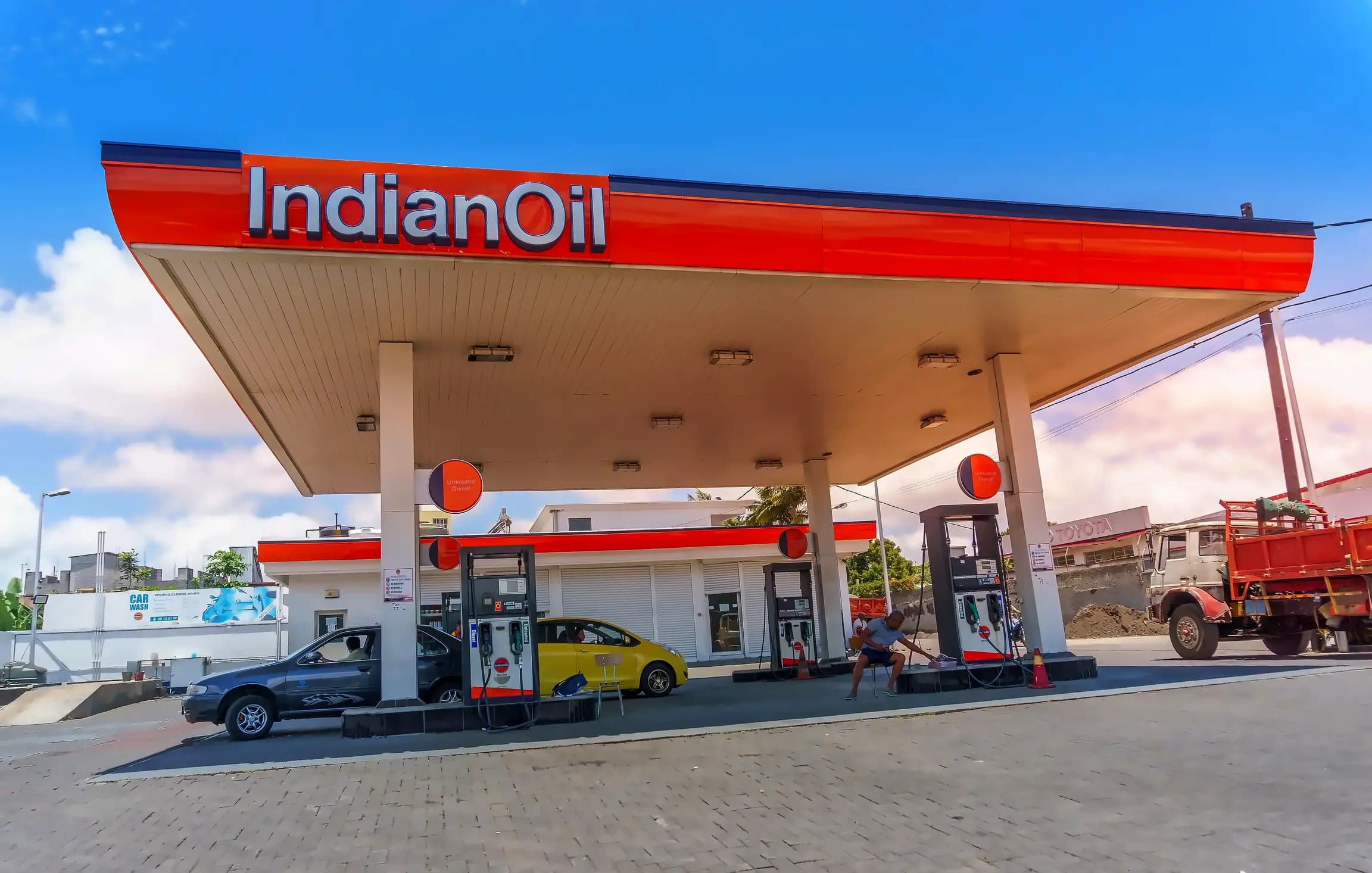
Transportation fuel cracks are extraordinary—gasoline about 3x, diesel 3.5x, and jet 3.7x year on year. Petrochemical margins have recovered sharply, with Asian operating rates at just 71%. Reliance also played its hand well: it shifted crude sourcing to the Americas and Mediterranean to dodge Gulf premiums, widened its naphtha-to-ethane spread, and used a time-chartered fleet of 20–25 vessels to blunt freight spikes. The result is an all-time high quarterly performance. Transcript +3
But the cracks are already showing signs of moderation. The diesel crack fell from about $100 a barrel in early September to roughly $57 in early October. Global inventories are at their lowest since at least 2016, which could keep cracks elevated for a while, but a return to the "normal" $5–15 range is the main risk. Reliance's advantages—feedstock flexibility, logistics, and product placement into high-margin markets—give it a cushion, but they don't protect against a fall in the absolute crack. If O2C EBITDA normalises, the biggest funding source for the group's transition takes a hit.
Retail: Investing Today for a Payoff Tomorrow
Q2 EBITDA fell 11% year on year, and the margin dropped to 7.3%. Management calls this a planned investment in digital commerce, funded by store cash flows. The numbers show the strain: gross revenue rose only 6.4%, and PAT fell 24%. A weak monsoon, inflation, and a shifted festive season didn't help. Investor Presentation +2
The digital push is real. Online grocery revenue grew 42%, and online share rose in both grocery and apparel. But this growth is being "deliberately paced"—management is avoiding a discount war. The company is also pruning unviable stores (about 500 closures in Q2) and reusing the space for better formats. The payoff is expected in FY28–FY29, when scale converts into value. For now, Retail is a consumer of group cash, not a provider. Investor Presentation +2
Jio: Tariffs, Monetisation and the Shift to Yield
Jio is already a cash machine. Q2 EBITDA was ₹21,879 crore with a 54.1% margin, and ARPU rose to ₹218.8. But the big lever is a potential tariff hike. Brokerages like Ambit Capital expect a 15% hike in December 2026, followed by biennial increases. If that happens, ARPU could climb toward ₹240–250, adding roughly ₹3,000 crore a quarter to EBITDA and lifting the margin toward 56%. Jio's pricing power is strong—it's adding about 9 million subscribers a quarter, twice as many as its nearest rival—but a hike risks slowing that momentum. Investor Presentation +1
Beyond tariffs, Jio is layering on services. Fixed wireless (JioAirFiber) has about 15 million subscribers, and management sees a 150 million-home opportunity. Digital add-ons like cloud gaming and compute, priced at ₹400–500 a month, and enterprise services are the next monetisation front. As Jio shifts from subscriber acquisition to yield optimisation, it becomes a more stable earnings pillar, counterbalancing O2C's cyclicality. Investor Presentation +2
New Energy: The FY28 Test
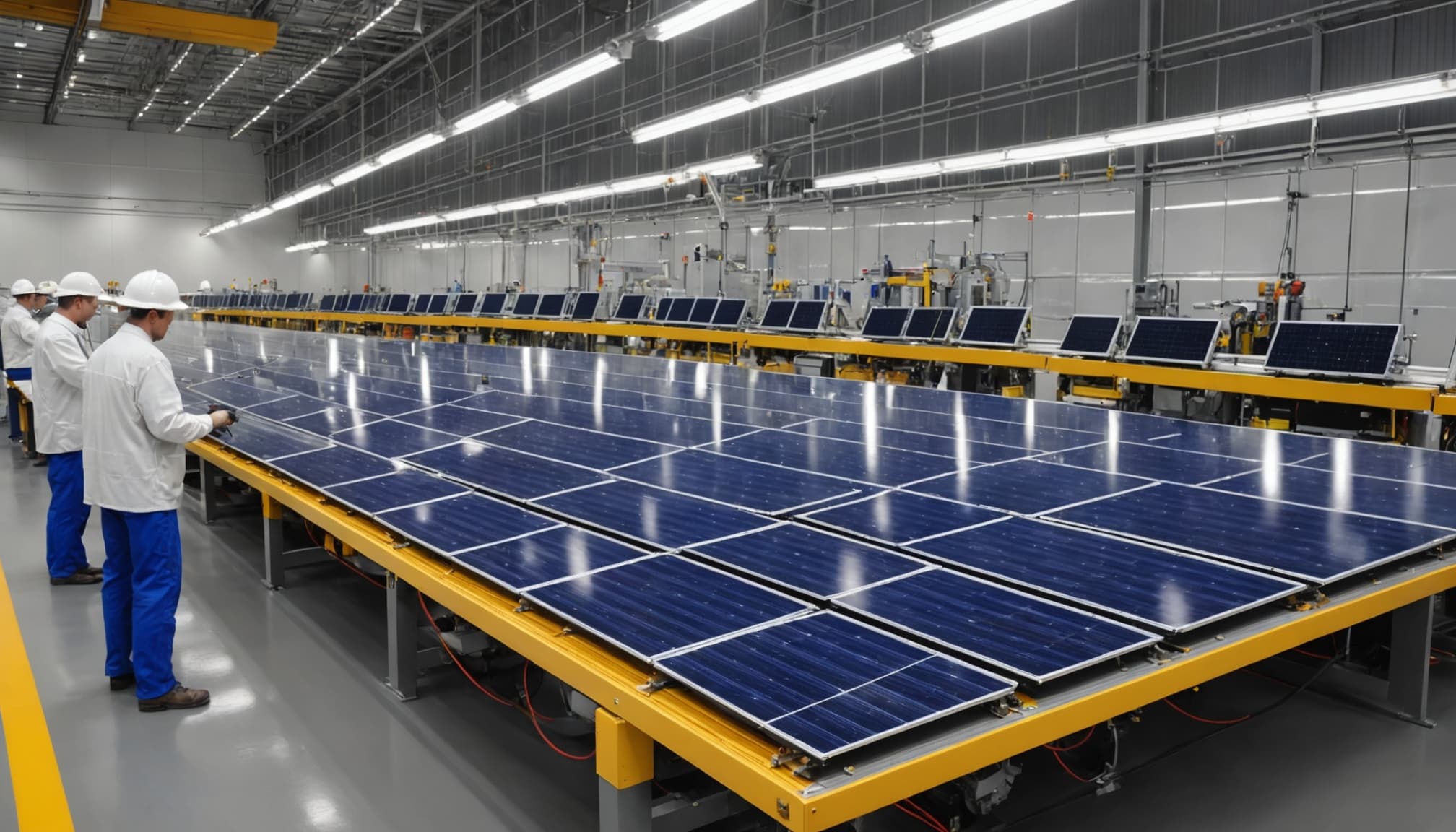
The milestones are piling up: solar module capacity is above 6 GW, targeting 20 GW by early 2027; battery pack and container facilities (up to 40 GWh) are due in the next half-year; and cell capacity of 35–40 GWh is expected late next year. Green hydrogen and ammonia are longer-term plays, with a 15-year Samsung C&T offtake deal starting in H2 FY29. Transcript +2
The risks are execution and timing. Several commissioning dates cluster in 2027, and any slip pushes earnings out. Capital employed is huge—brokerages value the business at 1.5x capital employed, or about ₹1.1 lakh crore—but returns are unproven. Until the giga-factories run at high utilisation and secure customers, New Energy is a promise, not a profit centre. If it delivers, it could justify a re-rating. If not, it's a drag on returns.
FMCG and Media: Upside Options, Not Core Drivers
Reliance Consumer Products (RCPL) is growing fast—Q2 revenue hit ₹8,266 crore, up 60% year on year—but its profitability is a black box. Campa Cola has grabbed double-digit market share and is expanding internationally, and the daily essentials business (Independence, Good Life) generated about ₹7,000 crore in H1. But margins aren't disclosed, and the business is too small to move the group needle yet.
JioStar is a mixed bag. Revenue grew 10% to ₹6,806 crore, but EBITDA fell 14% to ₹1,372 crore, with the margin down 600 basis points to 22.1%. The culprit is likely a lighter sports calendar and international relaunch costs. Subscription and connected TV advertising are growing, but the big swing factor is the IPL rights renewal in early 2027. For now, both FMCG and Media are optionality—upside if they scale, but not central to FY28. Transcript
Brokerage Views: Why Targets Diverge
Goldman Sachs sees 40% upside to ₹1,840, CLSA targets ₹1,800, and the consensus sits around ₹1,714. Nomura is more cautious, cutting its target to ₹1,560 due to lower multiples for Retail and exploration & production. The gap reflects different assumptions: optimists bet on sustained O2C strength and a Retail recovery; skeptics factor in margin normalisation and slower monetisation.
The risk to a 22% EPS CAGR (a figure I couldn't verify but often cited) is clear. If O2C cracks normalise, Retail's margin recovery stalls, and New Energy misses its 2027 milestones, earnings growth will disappoint. The stock already trades below its 52-week high, suggesting the market is pricing in some of this uncertainty.
The Bottom Line
FY28 will be a handover year. Reliance's legacy cash cows—O2C and Jio—are funding a transition into new energy, consumer platforms, and digital services. The O2C boom provides a cushion, but it's cyclical. Retail's digital investment and New Energy's capex are long-term bets that won't pay off fully until FY28 or later. Brokerages see substantial upside, but the wide target range tells you the story is about timing and execution. If the pieces fall into place, Reliance's diversified model could deliver. If not, the stock's current valuation will look stretched.