Q4 FY26 Performance Drivers and Strategic Developments
NMDC Limited: Riding the Iron Ore Wave
NMDC Limited, India's largest iron ore producer, made a bold move in early April 2026 by hiking prices by roughly 11%. Baila Lump now costs ₹5,300 per tonne, up from ₹4,800, while Baila Fines climbed to ₹4,500 from ₹4,050. These are FOR (Free on Rail) prices, so you still need to factor in taxes and royalty, but the direction is clear: pricing power is back .
Here's the thing—this price hike lands right when volumes are surging. March 2026 production jumped 50.7% year-on-year to 5.35 million tonnes, with sales following at 5.90 million tonnes. For the full financial year, NMDC hit 53.15 million tonnes in production, making it the first Indian company to cross the 50 million tonne annual mark . When you combine higher prices with better capacity utilization, margins naturally expand. Mining costs are largely fixed in the short term, so every extra rupee per tonne flows straight to the bottom line. Domestic steel demand remains stable, giving NMDC the confidence to push prices without fearing a demand collapse .
PC Jeweller: Golden Growth Amid Rising Prices
PC Jeweller delivered a standout performance in Q4 FY26, with standalone revenue growing 32% year-on-year. The full-year picture is even more impressive—FY26 revenue climbed 49% compared to the previous year . So, what's driving this?
Two main factors are at play. First, gold prices have been surging amid global uncertainties. When gold gets expensive, jewellery retailers see higher average transaction values. Consumers kept buying despite elevated prices, which tells you something about brand strength and demand inelasticity . Second, the wedding season provided a solid boost. The company expects this momentum to spill into Q1 FY27, supported by the summer wedding season and Akshaya Tritiya .
Beyond the immediate numbers, PC Jeweller is thinking long-term. They've signed a Memorandum of Understanding with NSDC to develop up to 200,000 micro-entrepreneurs over five years, which could significantly expand their retail footprint. There's also an international play through PCJ Mining SARL in Chad for precious metal extraction, signaling backward integration ambitions .
Godrej Consumer Products: Pricing Power Meets Easing Inflation
Godrej Consumer Products expects double-digit underlying sales growth in its standalone business for Q4 FY26, with high-single digit volume growth. On a consolidated basis, revenue growth should be close to double digits . The gap between sales growth and volume growth—roughly 2-3 percentage points—tells an interesting story about pricing strategy.
The company adopted a balanced approach: selective price increases to manage input costs, combined with value-driven offerings to keep volumes moving. This strategy worked because the environment was favorable. Food inflation eased, trade channels normalized after the GST transition, and consumer sentiment held steady . Even excluding the soap segment, which faced some softness, volume growth remains in double digits across other categories .
Looking ahead to FY27, there are tailwinds. Personal income tax relief and GST rationalization should support consumer purchasing power, helping offset crude oil-led inflation pressures. GCPL expects a 6-9% cost hit in the first half of FY27 due to rising crude and palm oil prices, but management believes margins will stay within a stable range .
Titagarh Rail Systems: Setting Sail on Expansion
Titagarh Rail Systems is making waves beyond railways. Through its subsidiary Titagarh Naval Systems, the company received in-principle approval from the Ministry of Ports, Shipping and Waterways for a ₹610 crore brownfield expansion at the Falta shipyard in West Bengal . The government is pitching in ₹129 crore as capital assistance, leaving the company to invest about ₹481 crore .
This isn't just about building ships—it's about positioning. The expanded yard will handle vessels up to 180 meters in length and produce 12-16 vessels annually. It will be the only significant private naval shipbuilder in eastern India alongside Garden Reach Shipbuilders, directly supporting India's Atmanirbhar Bharat vision . The project aligns with the National Shipbuilding Mission and requires a 10-year operational commitment, ensuring this capacity stays for the long haul.
While specific ROI projections aren't public, the order book provides comfort. Titagarh maintains a strong order book of approximately ₹27,755 crores, including recent major orders from MMRDA and Garden Reach Shipbuilders InvestorPresentations +1. Shipbuilding typically has longer payback cycles of 5-7 years, but the government subsidy and strategic positioning could improve the economics.
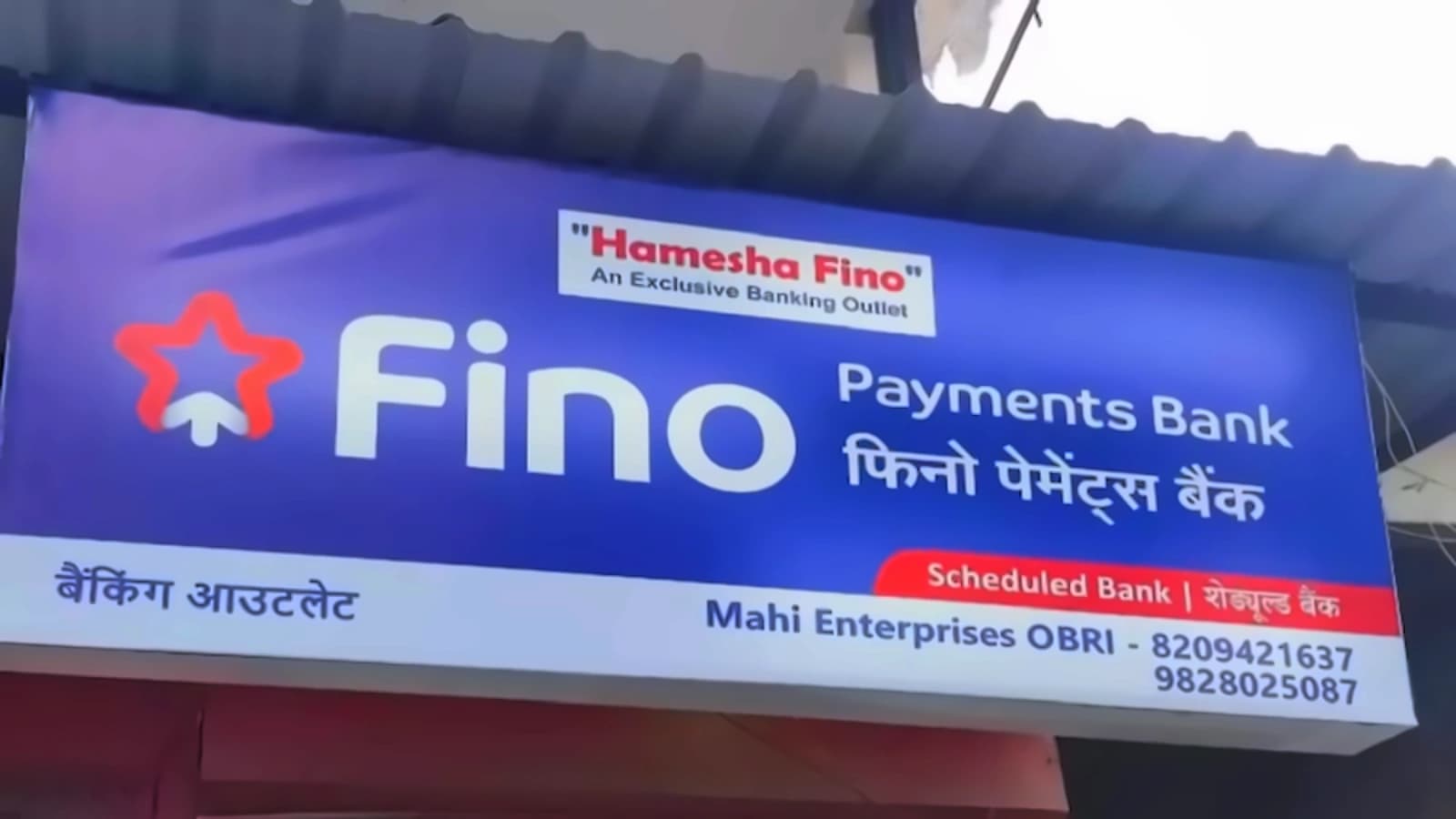
Fino Payments Bank: The Big Leap to Small Finance Bank
Fino Payments Bank is in the middle of a transformation. The company received in-principle approval from the RBI in December 2025 to convert into a Small Finance Bank, making it the first Payments Bank to achieve this milestone . The referral lending business is already firing on all cylinders—Q4 FY26 disbursements are expected to hit ₹630 crore, representing roughly 96% quarter-on-quarter growth .
The transition, however, brings new challenges. Currently, Fino operates an asset-light model where partner NBFCs underwrite and carry credit risk. As a Small Finance Bank, Fino will need to assume direct credit risk, build in-house underwriting capabilities, and establish comprehensive risk management frameworks. The capital requirements jump too—SFBs need a minimum 15% Capital to Risk-weighted Assets Ratio (CRAR) compared to the restricted lending regime of Payments Banks .
The good news is that Fino starts with advantages. It has 1.7 crore CASA customers, a merchant network of 20 lakh, and 97% pin code coverage. The cost of funds is around 1.7% on over 60% of the portfolio, giving it roughly 300 basis points advantage compared to other SFBs Transcripts +1. The company aims to build a loan book of ₹8,000-10,000 crores by FY 2030, targeting ROE of over 20% while keeping credit costs around 1% over the cycle Transcripts.
Nykaa: Eyeing Premium with 82°E
Nykaa is in discussions to acquire a majority stake in 82°E, Deepika Padukone's premium skincare brand. The company confirmed it's evaluating strategic opportunities, though no transaction has been completed yet and terms remain undisclosed Others.
Why would Nykaa consider this? 82°E has faced challenges—FY25 revenue declined 30% to ₹14.7 crore with losses of ₹12.26 crore. The brand struggles with steep pricing (around ₹2,500 for 50ml jars) and diffused positioning in a crowded market . But Nykaa sees opportunity where others see struggle.
This acquisition fits Nykaa's "House of Nykaa" strategy. The company has a proven playbook for scaling acquired brands—Dot & Key grew from ~₹27 crore in FY21 to ₹529 crore in FY25, a remarkable 19.6x expansion . Nykaa brings 42 million beauty customers, 250+ beauty stores, and a powerful marketing engine to the table. Deepika Padukone is already Nykaa's Global Brand Ambassador since September 2025, so the partnership has natural synergy .
The premium beauty segment in India is under-indexed compared to other economies, and Nykaa wants to accelerate its premiumization strategy. With India's beauty and personal care market projected to reach $34 billion by 2028, acquiring an established premium brand could provide instant equity in a high-growth segment Document.
What's Next?
Will NMDC's price hikes sustain through Q4 FY26 if global iron ore prices soften?
Can PC Jeweller maintain 49% full-year growth momentum as gold prices stabilize?
How will GCPL navigate the 6-9% commodity inflation hit in H1 FY27 without sacrificing volume growth?
Will Titagarh's Falta expansion secure enough defence orders to justify the ₹481 crore investment?
Can Fino successfully build in-house underwriting capabilities while maintaining its asset-light cost advantage?
Does Nykaa's acquisition playbook work on a premium brand that's already lost momentum?