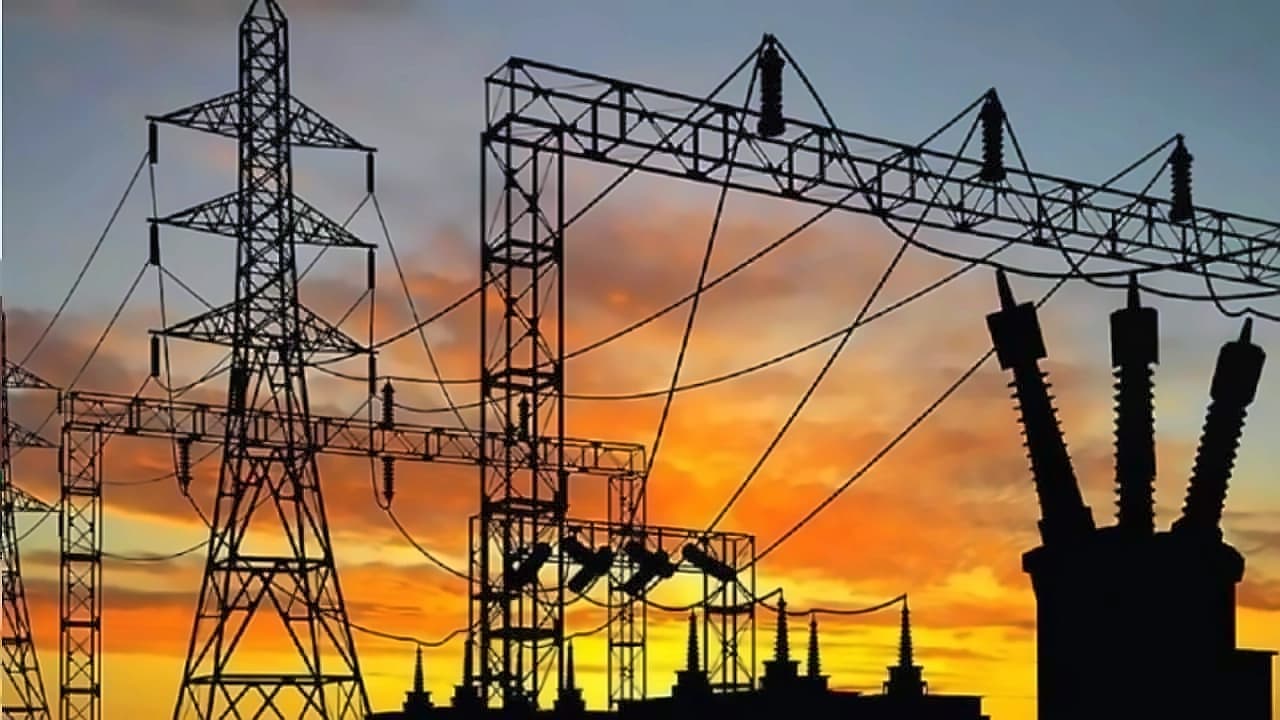
Power Grid Corporation of India has secured a landmark ¥80 billion (approximately ₹4,350–4,700 crore) green loan from the Japan Bank for International Cooperation (JBIC) to finance the Khavda–Nagpur HVDC transmission project. This financing significantly enhances POWERGRID’s capital structure by diversifying its funding sources and reducing its weighted average cost of debt. With Japan’s benchmark interest rate at 1.00% as of June 2026—far below India’s domestic borrowing costs—the JBIC loan offers a substantial interest rate advantage. Management expects a benefit of at least a few basis points compared to conventional domestic borrowing. Transcripts
POWERGRID’s current debt profile stands at ₹1,48,009 crore with a healthy debt-to-equity ratio of 60:40 and an interest coverage ratio of 5.08x (consolidated). The JBIC loan, representing about 3% of total debt, strengthens this profile by adding long-term, concessional foreign currency debt. The loan is structured as an unsecured term facility co-financed with Japanese commercial banks, with JBIC providing ¥48 billion and guaranteeing the remaining portion. This arrangement not only lowers interest expenses but also extends debt maturity, improving liquidity management. InvestorPresentations +1
Interest Coverage and Cash Flow Dynamics
While specific interest rate terms for the JBIC loan are not publicly disclosed, similar Japanese loans to POWERGRID have carried rates around 1% including spread, based on the Tokyo Overnight Average Rate (TONA) benchmark. This favorable rate directly boosts POWERGRID’s interest coverage capacity. For the Khavda–Nagpur project, the approved annual transmission tariff is ₹4,083 crore for a 35-year period. Given the project’s estimated execution cost of ₹35,000 crore, the lower financing costs from the JBIC loan will reduce the interest burden, thereby improving net margins and free cash flow generation upon project capitalization. Transcripts
The project’s revenue model under the Tariff-Based Competitive Bidding (TBCB) framework provides stable, long-term cash flows. POWERGRID won the project after aggressively revising its initial bid by 30% through 123 rounds of e-reverse auction, ultimately quoting ₹4,083 crore annually against Adani Energy’s ₹4,103 crore. This competitive pricing, combined with lower financing costs, positions the project to deliver strong returns. The first pole is scheduled for commissioning by November 2028, with full completion by May 2029. During the construction phase, POWERGRID will manage significant capital outflows, but post-commissioning, the project is expected to generate substantial operating cash flows, enhancing overall free cash flow.
Foreign Exchange Risk and Hedging Strategy
The yen denomination of the JBIC loan introduces foreign exchange risk, as POWERGRID will service debt in JPY while earning project revenues in INR. JPY/INR exchange rate volatility can significantly impact debt servicing costs in rupee terms. However, POWERGRID typically employs sophisticated hedging strategies to manage such exposures. Common hedging instruments include currency forward contracts, cross-currency swaps, and natural hedging by aligning foreign currency assets and liabilities.
The full cost of foreign currency borrowing, including hedging costs, often equals domestic borrowing costs. Yet, for a regulated utility like POWERGRID, the strategic benefits of diversifying funding sources and accessing international liquidity often outweigh hedging expenses. The company’s strong cash flows (₹39,401 crore from operations in FY25) and robust interest coverage provide a significant buffer against currency fluctuations. Retail investors should monitor JPY/INR movements, but POWERGRID’s financial strength and hedging practices mitigate substantial risk. AnnualReports
Project Returns and ESG Integration
The Khavda–Nagpur HVDC project is expected to deliver a return on capital employed (ROCE) of 13–14%, aligning with POWERGRID’s best historical performance. This compares favorably to the company’s historical ROCE, which improved from 9.55% in FY19 to a peak of 13.69% in FY24 before stabilizing around 13%. The project’s revenue model, with a fixed 35-year tariff, ensures exceptional earnings stability. Transmission revenue is typically 11–12% of project cost annually, providing predictable cash flows. InvestorPresentations +1
POWERGRID’s ESG commitments have directly influenced JBIC’s lending decisions. The loan was structured under JBIC’s GREEN Operations initiative, which supports projects with positive environmental impact. POWERGRID’s targets—net-zero emissions by 2047, 50% renewable energy sourcing by 2025, zero waste to landfill by 2030, and net water positivity by 2030—align with JBIC’s sustainability criteria. This ESG alignment not only secured the loan but also likely contributed to favorable pricing terms. AnnualReports
Embedding ESG principles into the project may incur incremental costs of 2–7% upfront for sustainable materials and advanced technologies. However, lifecycle cost analysis shows these investments can reduce operating costs by 15–30% over 20–30 years through lower energy consumption and maintenance. POWERGRID’s strong ESG ratings (NSE ESG rating of 70/100) further enhance its access to international capital markets, potentially lowering its cost of funding relative to peers with lower ESG performance. Transcripts
Operational Excellence and Strategic Partnership
The Khavda–Nagpur HVDC project will enhance POWERGRID’s transmission system availability beyond its current 99.84% level. HVDC technology offers inherent advantages, including lower transmission losses (30–50% less than AC over long distances), better power flow control, and the ability to connect asynchronous grids. These features improve grid reliability and resilience. The project adds 6,000 MW of renewable energy evacuation capacity, significantly boosting POWERGRID’s utilization rates and asset turnover. InvestorPresentations
Advanced digital technologies integrated into the project, such as AI-based defect detection (PG-AMRIT), intelligent inspection systems (I²P), and substation inspection robots, will optimize maintenance and reduce operating expenses. While HVDC assets may have higher initial costs, they offer 20–30% lower maintenance costs over their lifecycle due to fewer moving parts and advanced monitoring capabilities.
The strategic partnership with JBIC extends beyond this single loan. It establishes a framework for future cooperation in India’s green energy transmission infrastructure. POWERGRID’s extensive project pipeline includes ₹1.7 lakh crore of works in hand, with 22 HVDC schemes planned. The JBIC relationship provides a blueprint for accessing international green financing at competitive terms, supporting POWERGRID’s aggressive CAPEX program of ₹15,000–18,000 crore annually. Transcripts +1
Regulatory and Geopolitical Context
The Khavda–Nagpur project requires regulatory approvals from the Central Electricity Regulatory Commission (CERC), including the transmission tariff (already approved at ₹4,083 crore annually) and an interstate transmission licence. State-level clearances for right-of-way and environmental permits are also underway. Regulatory timelines can impact project execution, but the fixed tariff structure provides revenue certainty once operational.
JBIC’s involvement aligns with Japan’s strategic interests in India’s renewable energy sector. As a policy-based financial institution wholly owned by the Japanese government, JBIC supports Japanese companies’ overseas expansion and strengthens bilateral ties. Japan has committed $68 billion in investments in India by 2035, with significant allocations to clean energy. This partnership leverages Japan’s technological excellence in HVDC (through suppliers like Hitachi Energy) and India’s massive market potential, creating a synergistic relationship that advances both countries’ energy security and decarbonization goals.