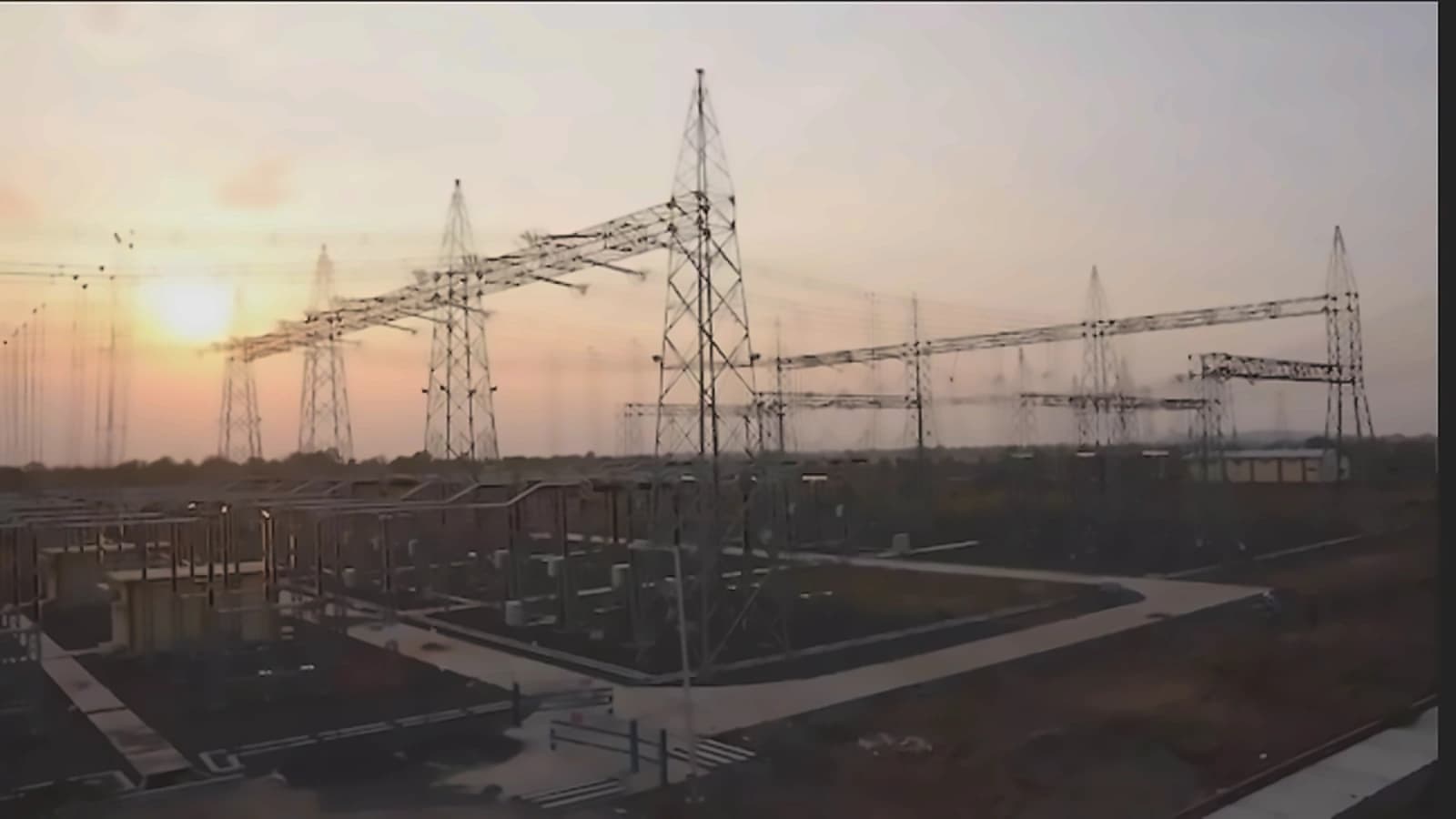
On Friday evening, September 4, 2026, all seven generating units at NTPC Limited's Korba Super Thermal Power Station in Chhattisgarh tripped simultaneously. The culprit? An electrical fault during breaker testing conducted by Power Grid Corporation of India Limited (PGCIL) at their bay infrastructure. NTPC officials described it as a "blackout-like situation" within the generating station, bringing power generation to a complete halt.
However, one 500 MW unit was already under annual maintenance since August 25, meaning the fault actually knocked out 2,100 MW of operational capacity. The simultaneous nature of all seven units tripping suggests the fault affected a common point in the electrical system rather than individual unit-specific issues.
Fault Propagation: From Breaker Test to Plant Shutdown
Here's where things get technical. Power Grid was testing a bay breaker—essentially a high-voltage switch designed to protect electrical circuits by interrupting fault currents. During this testing, an electrical fault occurred that propagated through the grid interconnection to NTPC Korba's generating units.
The exact testing protocol and specific malfunction haven't been publicly disclosed. Standard circuit breaker testing typically includes timing tests, insulation resistance tests, and operational verification. What we do know is that the fault triggered protection relays across all seven units, causing them to trip simultaneously. This indicates the fault originated at a common connection point—the PGCIL bay where testing was underway—and spread through the shared electrical infrastructure.
The rapid restoration of three units (two 500 MW units and one 200 MW unit) within 24 hours demonstrates NTPC Korba's operational resilience. By 6 PM on Saturday, September 5, these units were back online, with restoration of the remaining three units continuing sequentially. Thermal power plants can't be restarted immediately like flipping a switch—they require individual restoration procedures, making this recovery timeline particularly impressive.
Financial Impact: Counting the Costs
The complete shutdown resulted in an estimated generation loss of approximately 50,400 MWh (50.4 Million Units) over the initial 24-hour period. Based on CERC tariff norms, the revenue loss from energy charges alone is estimated at ₹7.8-8.1 Crores.
However, the financial picture isn't entirely straightforward. NTPC's thermal power contracts are based on plant availability rather than actual generation. The company receives fixed charges as long as capacity remains available to the grid, regardless of how much power they actually produce. This significantly mitigates revenue impact from forced outages.
The real costs come from unit restart operations. Thermal plants require substantial quantities of heavy fuel oil or light diesel oil during startup and stabilization. Estimated startup oil costs for the three restored units run approximately ₹9.2 Crores, with additional ramp-up expenses of ₹2-3 Crores. Equipment stress from the sudden shutdown and restart adds another ₹50-75 Lakhs in potential life consumption costs.
Regional Impact: Seven States in the Dark
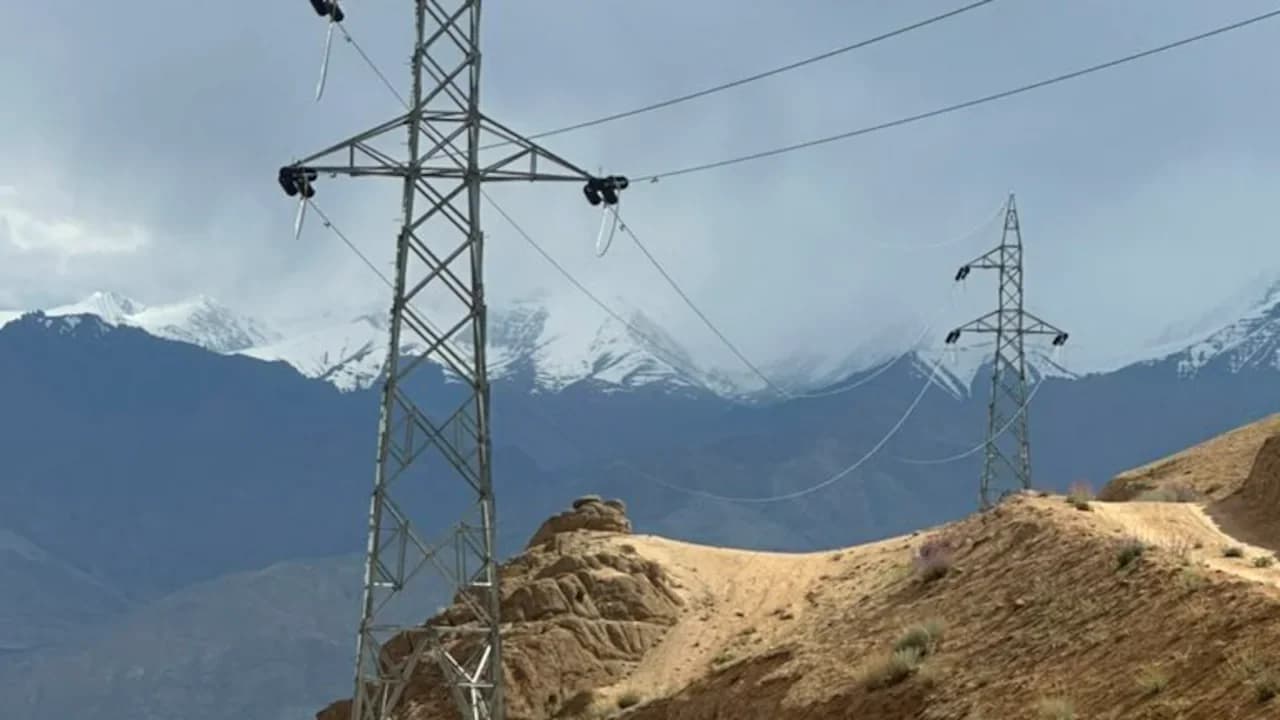
The disruption affected seven states across India's Western Region: Chhattisgarh, Madhya Pradesh, Maharashtra, Gujarat, Goa, Daman & Diu, and Dadra & Nagar Haveli. These states depend on NTPC Korba's generation through the Western Region power grid, creating significant exposure to single-point-of-failure risks.
The sudden loss of 2,100 MW from the regional grid would have caused immediate frequency deviation—the Indian grid operates at 50.0 Hz with permissible limits of 49.5-50.2 Hz. Grid stability mechanisms automatically activated, including primary reserves (spinning reserves that respond within seconds), secondary reserves through Automatic Generation Control, and potentially Under-Frequency Load Shedding if frequency dropped below critical thresholds.
Contingency mechanisms deployed included spinning reserves (generators already synchronized and operating below rated capacity), power exchange procurement through Day-Ahead and Term-Ahead Markets, bilateral trading arrangements, and demand-side management measures like rotational load shedding. The Western Region maintains secondary reserves of 800 MW corresponding to the largest unit size in the region, with tertiary reserves maintained by state control areas.
Regulatory Oversight and Liability Questions
The incident triggers multiple regulatory oversight requirements under CERC (Indian Electricity Grid Code) Regulations, 2023 and CEA (Measures Relating to Safety and Electric Supply) Regulations, 2010. Grid compliance tests require coordination with Regional Load Despatch Centres, State Load Despatch Centres, and Regional Power Committees, including submission of test procedures and schedules before execution.
Liability allocation follows established principles from previous cases. NTPC's obligation is to generate and deliver power at the bus-bar of the generating station, with title to power passing to beneficiaries at that point. Beneficiaries are responsible for arranging transmission from the bus-bar to their respective states. Transmission charges are payable by beneficiaries procuring power, not by NTPC.
For this incident, liability will likely depend on investigation findings. If testing protocol violations are identified, Power Grid may bear primary responsibility. NTPC continues receiving fixed charges but loses energy charge revenue. States must procure replacement power from exchanges or other sources, incurring additional costs.
Safety Protocols: What Needs to Change?
The CEA Safety Regulations establish detailed requirements for electrical equipment testing, including permit-to-work systems, equipment isolation, de-energization, and earthing before testing begins. However, this incident suggests gaps in coordination between transmission utilities and generating stations during testing activities.
Likely regulatory actions will include enhanced testing coordination protocols with mandatory advance notification (48-72 hours minimum) to affected generating stations, detailed risk assessments including potential impact on connected units, and enhanced isolation procedures to prevent fault propagation. Real-time RLDC supervision during critical testing and dedicated communication channels between testing teams and affected stations may become mandatory.
Circuit breaker testing procedures will likely require revisions, including double isolation for critical testing, enhanced local earthing with multiple earth points, pre-testing verification of protection settings, and clear emergency response protocols. The incident may also trigger comprehensive safety audits of breaker testing procedures and reviews of permit-to-work systems.
The Bigger Picture: Grid Resilience Challenges
The NTPC Korba incident highlights critical vulnerabilities in India's power system. Large thermal plants like Korba (2,600 MW at a single site) create concentration risk. When all units trip simultaneously due to a common grid fault, the impact cascades across multiple states. Limited geographic diversity in generation sources and shared transmission corridors exacerbate these risks.
The Indian power system has demonstrated resilience during previous challenges, including the COVID-19 period when it maintained uninterruptible power supply despite significant demand variations. However, this incident underscores the need for enhanced diversification, improved coordination protocols, and strengthened transmission networks to mitigate single-point-of-failure risks.
As India continues its energy transition with increasing renewable penetration, the grid becomes more complex. Grid compliance testing under CERC regulations serves as a formal mechanism to verify that power system elements meet prescribed technical, operational, and performance standards. But as this incident shows, the testing process itself can introduce risks if not properly coordinated.
The path forward requires balancing the need for regular equipment maintenance and testing with the imperative of maintaining grid reliability. Enhanced coordination protocols, clearer liability frameworks, and robust contingency mechanisms will be essential to prevent similar incidents in the future.