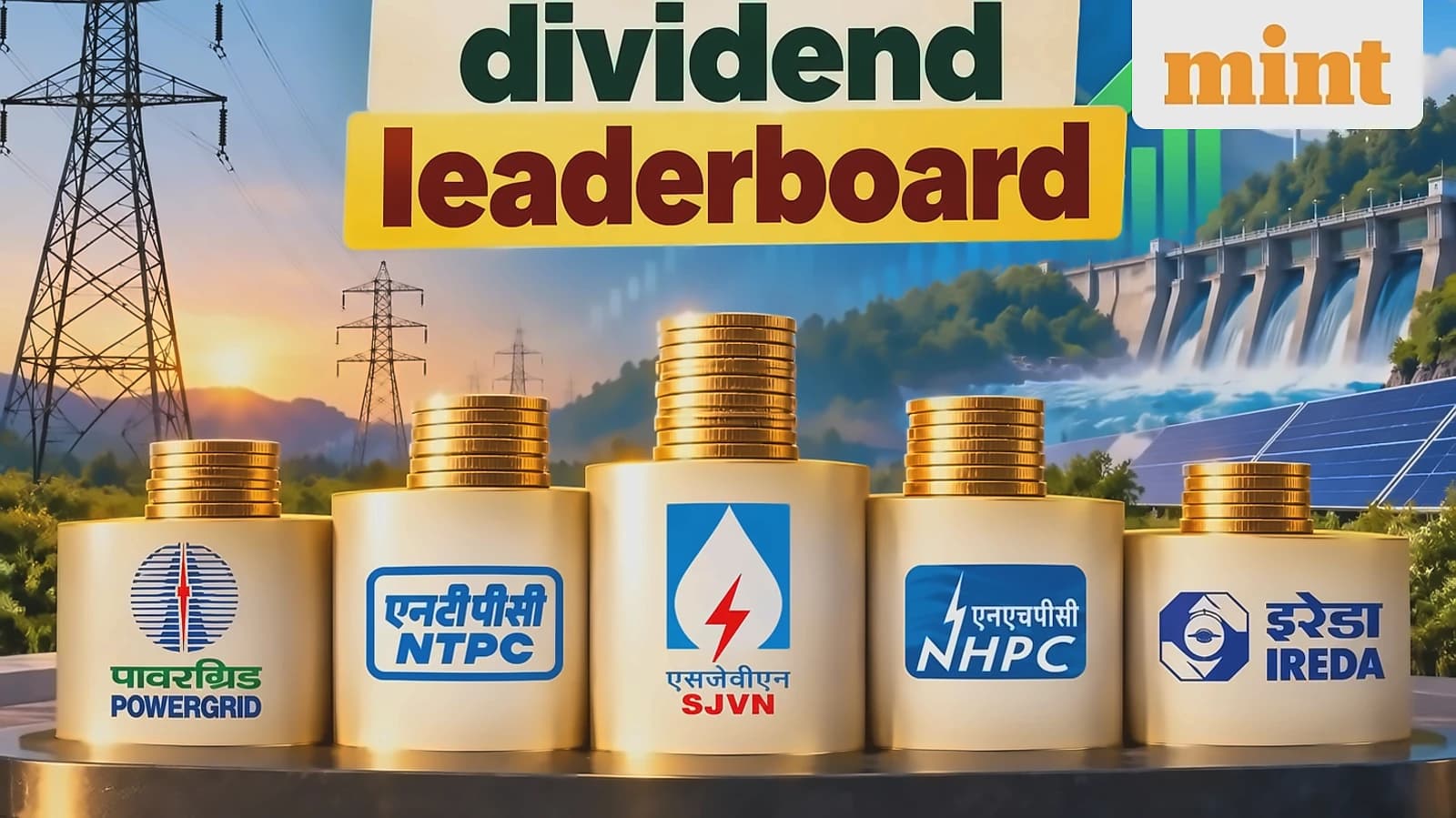
NTPC Limited announced its Q4 FY26 results on May 23, 2026, and the numbers told a story of two halves. Net profit surged to ₹8,747 crore—a staggering 51% year-on-year increase that blew past the CNBC-TV18 poll estimate of ₹6,241 crore by a comfortable 40% margin.
This divergence between a profit beat and revenue miss immediately raised eyebrows among analysts and investors alike.
The profit surge wasn't magic—it was the result of deliberate operational improvements. NTPC achieved operational gains of ₹238 crore from coal stations through SG (Shut Down) incentives and primary frequency response, plus an additional ₹49 crore from hydro stations.
These measures, combined with over 90% plant availability at coal-based stations and a Plant Load Factor of 70.52%—well above the national average—created a foundation for profitability that analysts had underestimated.
Margin Compression: The Story Behind the Numbers
Here's where things get interesting. EBITDA margins actually expanded to 29% from 25.63% in the year-ago period, representing a 3.37 percentage point improvement—not the compression some had feared. However, EBITDA itself declined to ₹12,500 crore from ₹11,254 crore in Q4 FY25, an 11.1% drop that reflects the revenue pressure. The margin expansion despite lower EBITDA suggests NTPC successfully controlled costs even as topline softened.
Softer realizations—essentially lower tariffs from competitive power markets and reduced merchant power margins—were the primary culprit behind the revenue decline. Yet, NTPC's regulated cost-plus model, which guarantees a return on equity (typically 15.5%) on thermal plants, provided a crucial buffer. This regulatory framework allows fuel costs to be passed through to consumers, protecting margins even when pricing power weakens. The company's ability to maintain profitability despite revenue headwinds demonstrates the resilience of this business model.
The Green Energy Paradox: Growth Without Profit
While the parent company delivered strong results, NTPC Green Energy Limited painted a more concerning picture. The subsidiary reported a 46.7% revenue surge to ₹913 crore, yet net profit declined 15.4% to ₹197 crore. This disconnect reveals serious scalability challenges. Total expenses jumped 60% to ₹713 crore, outpacing revenue growth, while other income—primarily bank interest on IPO proceeds—collapsed 77% to ₹30 crore.
The subsidiary's cost structure shows negative operating leverage during expansion. Front-loaded depreciation and interest costs from rapid capacity additions are pressuring short-term profitability. Return metrics are deteriorating, with ROE falling from 6.17% in FY24 to 3.84% in FY25. Free cash flow has been negative for two consecutive years (-₹9,918 crore in FY24), and the current ratio of 0.55 indicates liquidity constraints. This isn't just growing pains—it's a structural issue that needs addressing.
Capital Allocation: The ₹5,000 Crore Question
NTPC Green Energy's board approved raising up to ₹5,000 crore in FY27 through bonds or non-convertible debentures. This fundraising will support capital expenditure, refinancing, and joint ventures, but it will also increase leverage on an already stretched balance sheet (debt-to-equity ratio of 1.35). The funds are necessary for the subsidiary's ambitious 60 GW renewable target by 2032, but they raise questions about the optimal capital structure for sustainable growth.
More promising is the joint venture with CtrlS Datacenters to develop up to 2 GW of renewable energy projects. This partnership provides captive power offtake, reducing dependence on DISCOMs with their notorious payment delays. CtrlS operates 16 data centers across India, and the AI-driven expansion of digital infrastructure creates growing renewable demand. This strategic vertical could improve working capital cycles and provide revenue visibility that pure-play renewable developers often lack.
The Dividend Dilemma: ₹9 Per Share in a Capital-Intensive World
NTPC declared a total dividend of ₹9 per share for FY26—comprising two interim dividends of ₹2.75 each and a final dividend of ₹3.50. This represents a payout ratio of approximately 35.5%, well covered by earnings but stretching cash flows (cash payout ratio of 127%). The dividend yield of 2.15% is attractive, especially compared to the industry average of 1.3%, and NTPC has maintained dividend growth averaging 15% over the past decade.
The strategic rationale becomes clear when you consider the parent-subsidiary dynamic. NTPC's mature thermal business generates strong operating cash flows (₹50,436 crore in FY25), making dividends appropriate. NTPC Green Energy, however, is in a high-growth investment phase requiring capital retention. The separate listing and capital structures allow each entity to pursue appropriate strategies—parent rewarding shareholders, subsidiary funding expansion. This ring-fencing of renewable risks protects the parent's financial flexibility.
Market Reaction: Cautious Optimism
This muted reaction reflects investor caution. The revenue miss signals demand softness or pricing pressure that could persist into FY27. Analysts are likely to downgrade revenue estimates while upgrading earnings projections, resulting in mixed overall revisions.
Investors are pricing in a trade-off between the attractive dividend yield and near-term headwinds. The defensive utility characteristics and government ownership (51.10%) provide downside support, while the renewable expansion potential offers long-term optionality. However, the risk-off environment, triggered partly by the 26% US reciprocal tariff on Indian goods, is keeping a lid on valuation multiples.
The Path Forward: What to Watch
The key catalyst for re-rating will be NTPC's FY27 guidance. Investors will be watching for management commentary on revenue trajectory, margin sustainability, and capacity addition timelines. Regulatory tariff approvals that support realizations could provide another boost. The execution of the 60 GW renewable target and the success of strategic partnerships like the CtrlS JV will be critical indicators of long-term growth potential.
For now, NTPC remains a quality business navigating a complex transition. The Q4 results demonstrate operational excellence and cost management capabilities, but the revenue miss and subsidiary challenges highlight the execution risks ahead. The dividend strategy provides shareholder returns while funding the energy transition, but the balance between growth and yield will require careful calibration in the coming quarters.