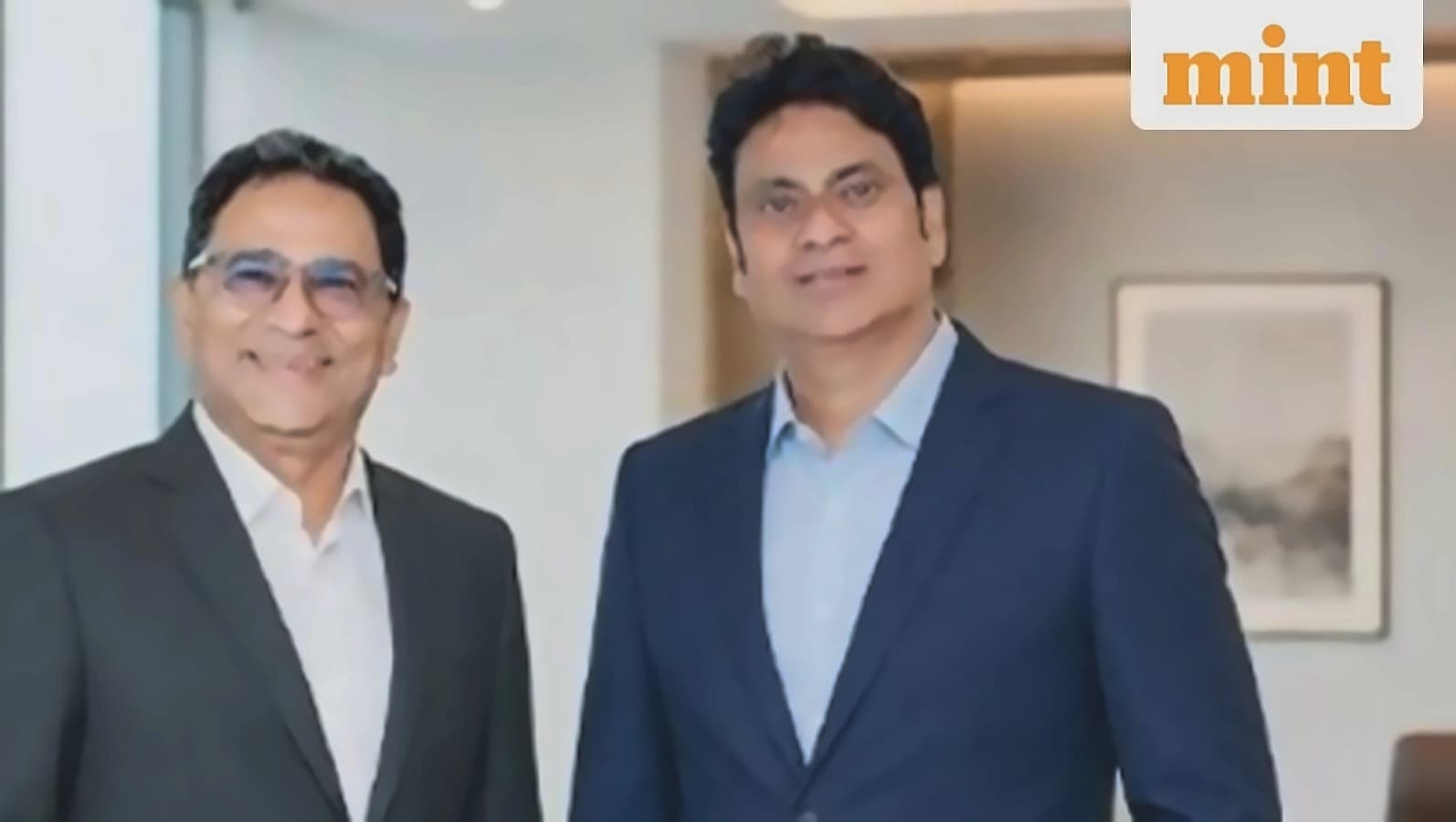
Motilal Oswal Alternates has just dropped ₹600 crore into KARAM Safety, marking the fifth investment from its India Business Excellence Fund V (IBEF V). This isn't small change—it represents roughly 7% of the fund's total ₹8,500 crore corpus.
They're diving in headfirst. The message is clear: Motilal Oswal sees something special in the industrial safety equipment space, and they're backing KARAM Safety as their vehicle to ride this wave.
Why KARAM? Why Now?
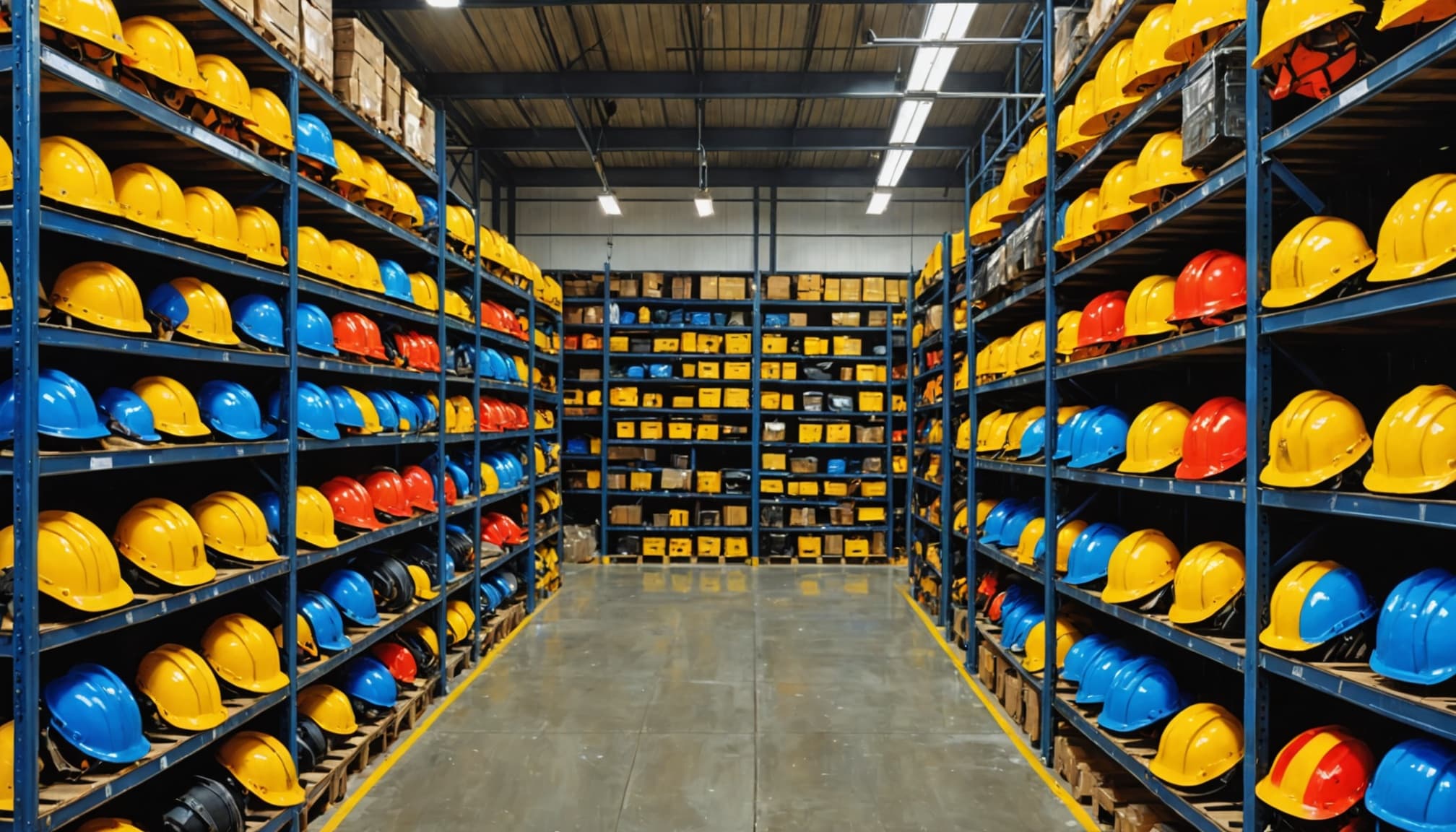
The industrial safety sector sits at the intersection of powerful structural forces. Workplace safety regulations are tightening globally, particularly in the US and Europe where OSHA standards and EU directives make PPE procurement non-discretionary. Companies simply must buy certified safety gear—there's no opting out when worker safety is on the line. This creates a baseline demand that's remarkably resilient to economic cycles. Meanwhile, global infrastructure spending is projected to surge from $4.4 trillion in 2024 to $6.9 trillion by 2050. Every new bridge, factory, or power plant needs safety equipment. That's a lot of helmets, harnesses, and safety boots.
KARAM Safety isn't just another player in this market.
The company operates manufacturing facilities across India, South Africa, and Brazil, giving it genuine global reach. With revenue around ₹1,000 crore growing at 15% annually and targeting ₹1,400 crore by 2025, KARAM has the scale and momentum that growth-stage investors crave. The CRISIL A+/Stable rating doesn't hurt either—it signals financial discipline in a sector where quality and reliability matter immensely.
The Inorganic Growth Engine
The ₹600 crore isn't meant to sit in a bank account. KARAM plans to use this capital aggressively for acquisitions, and they've already shown they know how to execute this strategy. In 2024 alone, they acquired Midas Safety India to strengthen hand protection and HSE Solutions in South Africa to expand their African footprint. More recently, they picked up a 90% stake in Brazil's Alteco Soluções em Altura. These aren't random deals—each acquisition fills a specific gap in geography or product category while bringing immediate revenue and customer bases.
The causal mechanisms here are straightforward. Acquiring established companies provides instant market access that would take years to build organically. HSE Solutions, for instance, doubled KARAM's customer base in Africa overnight.
Perhaps most importantly, acquisitions bring specialized technology and intellectual property that would take 3-5 years to develop in-house. With Motilal Oswal's capital, KARAM can now pursue deals worth ₹200-300 crore—far larger than what they could handle on internal cash flow alone.
Manufacturing and Innovation Synergies
KARAM's manufacturing footprint spans 65+ acres across India and South Africa, with facilities certified to multiple international standards including EN, ANSI, and Indian norms. The new capital will expand this capacity significantly, with plans to boost production by 40-50% over the next 24 months. But it's not just about making more stuff—it's about making better stuff. The company is investing in automation, robotics, and Industry 4.0 technologies that have been part of their DNA since 2013. Over 70% of their products already manufacture under Six Sigma quality standards, and they're pushing that even higher.
On the innovation front, KARAM maintains a dedicated R&D team focused on both incremental improvements and radical breakthroughs. Their state-of-the-art testing facilities in Delhi-NCR feature advanced simulation sites for height safety, roof safety, and rescue operations. The capital infusion will accelerate new product launches from 20-25 annually to 50-60, while cutting development cycles in half. We're talking about smart harnesses with IoT connectivity, advanced filtration systems for respiratory protection, and next-generation safety footwear with fatigue monitoring. This isn't just product development—it's category creation.
The Distribution Advantage
What makes KARAM particularly compelling is how its global distribution network amplifies the impact of new capital. The company operates strategic warehouses across India, Singapore, South Africa, France, the USA, Dubai, Brazil, Australia, and New Zealand. This isn't just storage—it's demand intelligence. Real-time data from 140 countries tells KARAM exactly what to manufacture and where to ship it, optimizing production planning and reducing inventory carrying costs by 20-25%.
The multi-brand strategy—KRATOS for Europe, KStrong USA for North America, KStrong Brazil for South America, and KStrong Asia for Asia-Pacific—allows KARAM to tailor products to regional requirements while maintaining operational efficiencies. When they launch a new product, they can test it across diverse markets simultaneously, gather feedback, and iterate rapidly. This global reach also means acquisitions pay off faster—new products can be cross-sold to existing customers worldwide, potentially increasing average revenue per customer by 40-50%.
India's Competitive Edge
The timing couldn't be better for an Indian PPE manufacturer going global. India's transformation in this sector has been nothing short of remarkable.
This wasn't just a pandemic response—it proved India's capability to produce world-class safety equipment at scale. Today, the Indian PPE industry represents a ₹7,000 crore opportunity with massive export potential.
KARAM sits at the sweet spot of this evolution. They combine Indian cost competitiveness—40-60% lower labor costs than developed markets—with quality that meets global standards. Their vertical integration, from textile engineering to final assembly, gives them control over the entire manufacturing lifecycle. While international competitors struggle with supply chain fragmentation, KARAM's in-house production of steel wire ropes and specialized components creates both cost advantages and quality consistency. This is particularly powerful in price-sensitive markets like Africa and Southeast Asia, where KARAM can offer certified products at competitive price points.
The Financial Picture
So what does this mean for returns? KARAM is targeting revenue of ₹1,400 crore by 2025, and the ₹600 crore capital should accelerate this trajectory significantly. The company's 15% historical CAGR is impressive, but with acquisitions fueling growth, we could see this jump to 20-25% over the next 3-5 years. More importantly, margins should expand as manufacturing scale improves and the product mix shifts toward premium categories. The acquisitions in hand protection and safety workwear alone are expected to contribute ₹100 crore immediately to the top line.
For Motilal Oswal, the exit options are compelling. KARAM could pursue an IPO in 4-5 years, given its scale and profitability. Alternatively, strategic buyers like 3M, Honeywell, or MSA Safety might pay a premium for a company with KARAM's global footprint and manufacturing capabilities. The 7% allocation suggests Motilal Oswal is targeting a 3-4x return over a 5-year horizon—ambitious but achievable if KARAM executes on its acquisition strategy and captures the structural growth in global PPE demand.
The Road Ahead
The industrial safety sector is undergoing a quiet transformation. What was once considered a commodity business is becoming increasingly technology-driven and regulation-heavy. Companies that can combine quality manufacturing, global distribution, and continuous innovation are poised to capture outsized returns. KARAM Safety, backed by Motilal Oswal's capital and expertise, has all the pieces in play.
The next 24 months will be telling. Watch for KARAM to announce 2-3 significant acquisitions, particularly in Southeast Asia and Europe. Expect new product launches in smart PPE and connected safety systems. And don't be surprised if manufacturing capacity expands beyond the current 65+ acres as they scale to meet demand. The ₹600 crore investment isn't just capital—it's fuel for a company that's ready to go from regional player to global leader in workplace safety. In a world where worker safety is increasingly non-negotiable, that's a bet worth making.