Bain Capital's acquisition of up to 41.6% in Manappuram Finance for approximately ₹4,385 crore has fundamentally altered the company's governance landscape. The transaction establishes a joint control structure where Bain Capital and the promoter family (holding 28.9%) are classified as co-promoters. This isn't just passive investment—it's active partnership with teeth. Others +1
Bain Capital's governance rights are substantial. While holding at least 10% of share capital, they can nominate two directors to the board and have reserved matter rights requiring their affirmative vote on critical decisions. The Shareholders' Agreement dated March 20, 2025, governs management and inter-se rights between all parties. Articles of association have been amended to incorporate these provisions, creating a balanced power-sharing arrangement. Others +1
The board has undergone dramatic professionalization. Independent directors now constitute 83.33% of the board, with Dr. Shailesh J. Mehta serving as Chairman. Ten specialized committees oversee everything from audit to IT strategy. This represents a fundamental shift from promoter-dominated oversight to board-driven governance. AnnualReports +1
The Reserve Bank of India approved this transformation in February 2026, subject to specific conditions. Any acquisition by Bain Capital crossing 26% of paid-up share capital (other than warrant conversion) after one year requires prior RBI approval. Bain Capital must also provide an action plan ensuring they won't control more than one NBFC of the same category within their group—a nod to their existing stake in Tyger Capital. Others +2
The Leadership Transition
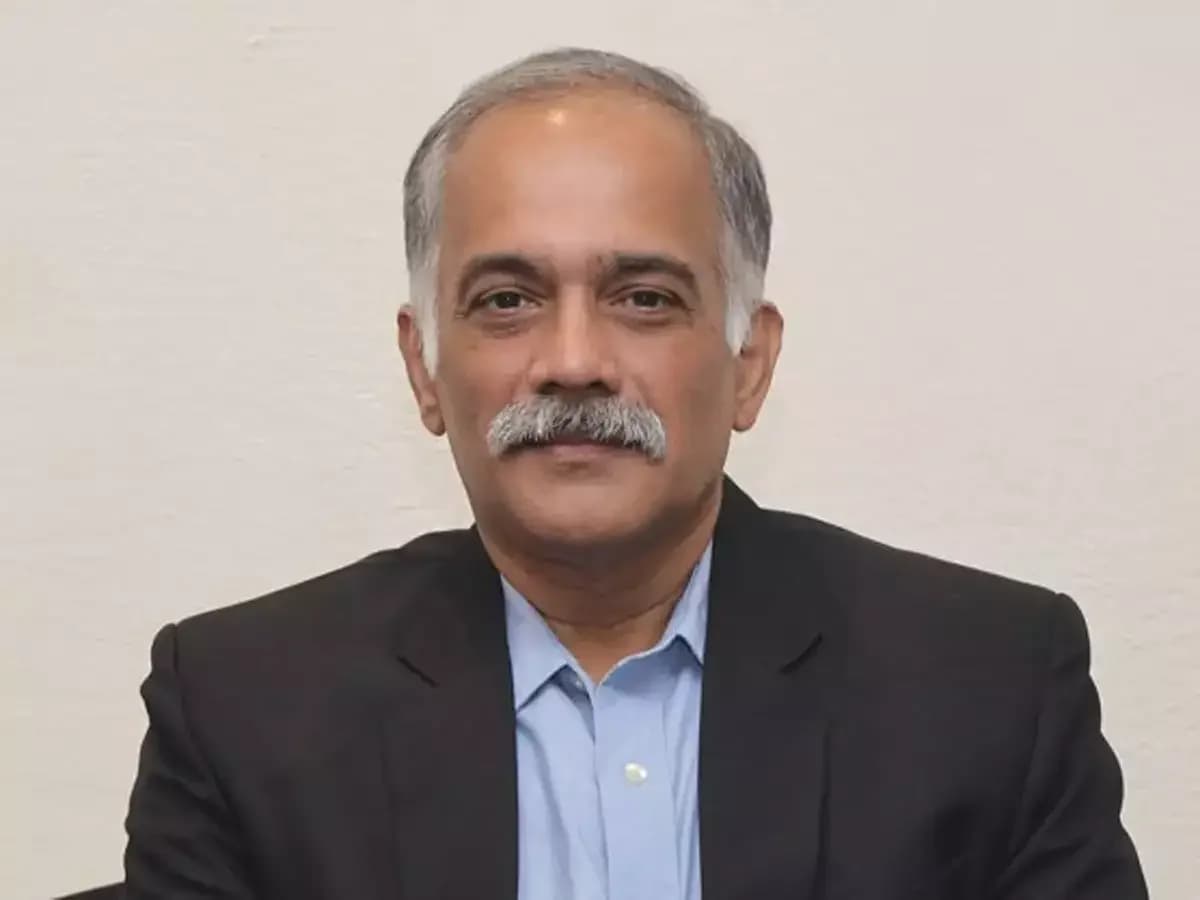
Taking the reins as Managing Director & CEO is Ashish Singh, appointed for a five-year term. Singh brings over 25 years of retail banking experience, most recently as Head of Retail Liabilities at IDFC First Bank, where he also led their "Bharat Banking" business overseeing the entire asset portfolio and branch network. Others +2
This transition addresses critical strategic gaps. Manappuram faced asset quality deterioration in non-gold portfolios—Asirvad Microfinance recorded substantial losses before turning profitable. The MSME portfolio had approximately 5% unsecured lending exposure requiring reduction. Operational inefficiencies persisted, with high operating expenses needing a 2% reduction through better management. The company also lacked specialized expertise in diverse lending segments beyond gold loans. Transcripts +2
Bain Capital's investment was explicitly designed to support a "professionalization journey" for better operational efficiency and risk management. The five-year CEO term aligns strategically with this transformation timeline, providing stability needed for implementing strategic initiatives while building a professional management team. Others +1
Q1 FY27: The Numbers Behind the Transformation
The results are striking. Consolidated net profit surged 341.4% year-on-year to ₹585 crore. But this headline number requires careful unpacking. The primary driver was a massive provision reversal—loan losses dropped to ₹225 crore from ₹559 crore in the prior year, a ₹334 crore reduction that's not sustainable at this magnitude. InvestorPresentations +2
Operating leverage provided genuine improvement. Operating expenses grew only 1.4% year-on-year versus 25.3% income growth. Employee benefit expenses rose just 4.7%, while administrative expenses actually fell 4.4%. This demonstrates the power of fixed-cost infrastructure supporting rapid asset expansion. InvestorPresentations
Gold loan assets under management jumped 97.9% to ₹57,006 crore. Total AUM reached ₹69,635 crore, up 57.2% year-on-year. This growth came from multiple drivers: ordinary gold loans now constitute 90% of the portfolio (up from 44% in FY22), gold tonnage increased 18.3% to 67 tons, and average ticket size rose to ₹133,000. InvestorPresentations +2
However, net interest margin compression tells a cautionary tale. Gold yield declined to 17.7% in Q1 FY27 from 22.4% in FY25. Net interest income grew 25% to ₹1,759 crore, lagging the 34% revenue growth.
Risk Management in a Volatile World
Gold price volatility creates unique challenges for Manappuram. When gold prices decline significantly, collateral value can fall below outstanding loan amounts, potentially triggering defaults. However, the company maintains robust protections. Maximum loan-to-value at disbursement stays below 75% per RBI norms, while average portfolio LTV ranges between 57-62%, providing a 25-38% safety margin. AnnualReports +2
The 98% surge in gold loan AUM has elevated concentration risk—gold loans now represent 77.24% of consolidated AUM. This concentration is partially mitigated by the liquid collateral nature of gold loans, short tenure (average around 4 months), and conservative LTV maintenance. The company has a strategic target to reduce gold exposure to 50% of total AUM over ten years through diversification into microfinance, home finance, and commercial vehicles. AnnualReports +1
The interim dividend of ₹1 per equity share reflects balanced capital allocation under the new governance structure. With capital adequacy at 31.0% (expected to reach 39-40% post-Bain investment), the company can maintain shareholder returns while funding aggressive growth plans. The dividend policy allows adjustment to maintain capital structure, supporting both growth and returns. InvestorPresentations +2
Ashish Singh's retail banking expertise positions Manappuram for strategic shifts. His background in Bharat Banking could accelerate expansion into tier-3 and tier-4 markets, particularly in Northern and Eastern India where gold loan penetration is lower. His retail liabilities expertise might help build a more stable, lower-cost funding structure. His experience in product innovation could accelerate cross-selling to the 2.6-2.9 million gold loan customer base. Others +1
Digital capabilities represent another frontier. Manappuram was the first NBFC to launch Online Gold Loan in 2015, with 92% of the gold loan book now through this platform. Features include 24x7 online repayment and availability in multiple regional languages. Singh's background could accelerate the digital transformation journey, potentially creating a super-app approach for gold loan customers. InvestorPresentations +1
The transition from family-led to professional management strengthens stakeholder relationships across the board. Regulators benefit from enhanced compliance frameworks and systematic engagement. Investors gain from transparent governance, board independence (80% independent directors), and clearer succession planning. Customers experience improved service quality through technology upgrades and process simplification. AnnualReports +2
The Road Ahead
Manappuram Finance stands at an inflection point. The Bain Capital partnership provides capital, expertise, and governance credibility. Ashish Singh's retail banking background brings operational discipline and strategic vision. The Q1 FY27 results demonstrate both the potential and the challenges of this transformation.
The over four-fold profit increase isn't sustainable in its current form, but the underlying operational improvements are real. The 98% gold loan AUM growth will normalize, but the market opportunity remains substantial. Margin pressure persists, but management expects stabilization around 17.5-18%. Transcripts +1
The next five years under Ashish Singh's leadership will determine whether this professional management transition delivers on its promise. Success requires balancing aggressive growth with disciplined risk management, leveraging digital capabilities while maintaining operational excellence, and transforming from a gold loan specialist into a diversified financial services group.
For investors, the key question isn't just about Q1 numbers—it's about whether this governance revolution can create sustainable competitive advantages in an increasingly competitive market. The early signs are promising, but the transformation journey has only just begun.