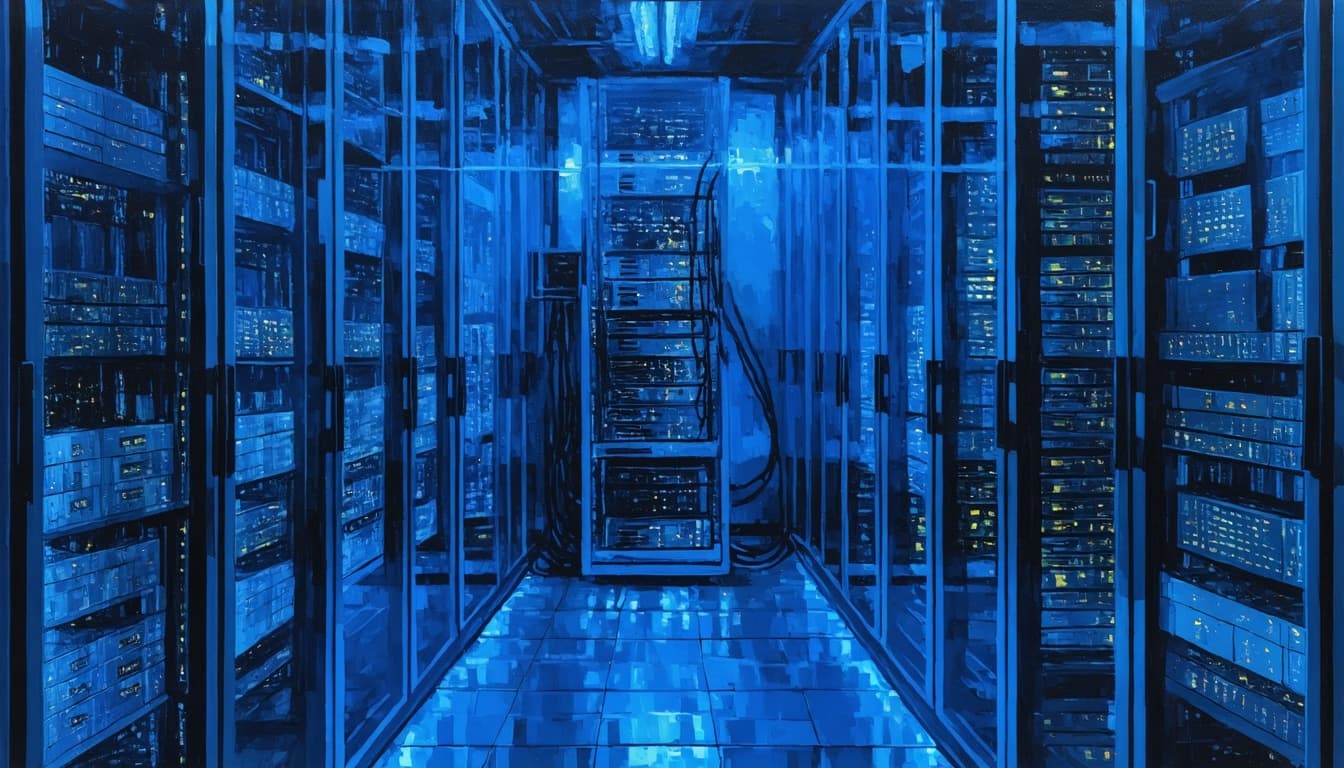
Data centers are experiencing an electricity consumption boom that's reshaping India's energy landscape.
Current consumption of approximately 1,020 MW is expected to double within two years and potentially reach 4-5 GW in 4-5 years. This explosive growth is primarily driven by artificial intelligence workloads, where a single AI rack can consume 5-6 times more power than traditional racks.
Globally, data center electricity consumption is projected to double from 415 TWh in 2024 to approximately 945 TWh by 2030, representing nearly 3% of total global electricity consumption. For Iron Mountain's data centers in Mumbai, Pune, and Bengaluru—regions experiencing significant data center expansion—this escalating power demand necessitates long-term, predictable, and cost-effective renewable energy procurement to ensure operational sustainability and meet decarbonization commitments.
The Group Captive Advantage
CleanMax has structured this arrangement as a group captive model, which provides several strategic advantages compared to conventional power purchase agreements. Under this model, consumers must jointly own at least 26% of equity in the renewable energy project and consume at least 51% of the power generated.
The group captive model offers significant operational benefits. Unlike fully-owned captive plants requiring substantial upfront investment, the group captive approach allows shared investment while maintaining control over energy costs. The hybrid solar-wind configuration can be structured to provide reliable round-the-clock power, critical for data center operations that require 24/7 uptime. Additionally, the renewable plant is located offsite, eliminating concerns about space limitations near data center facilities.
Hybrid Technology for Round-the-Clock Reliability
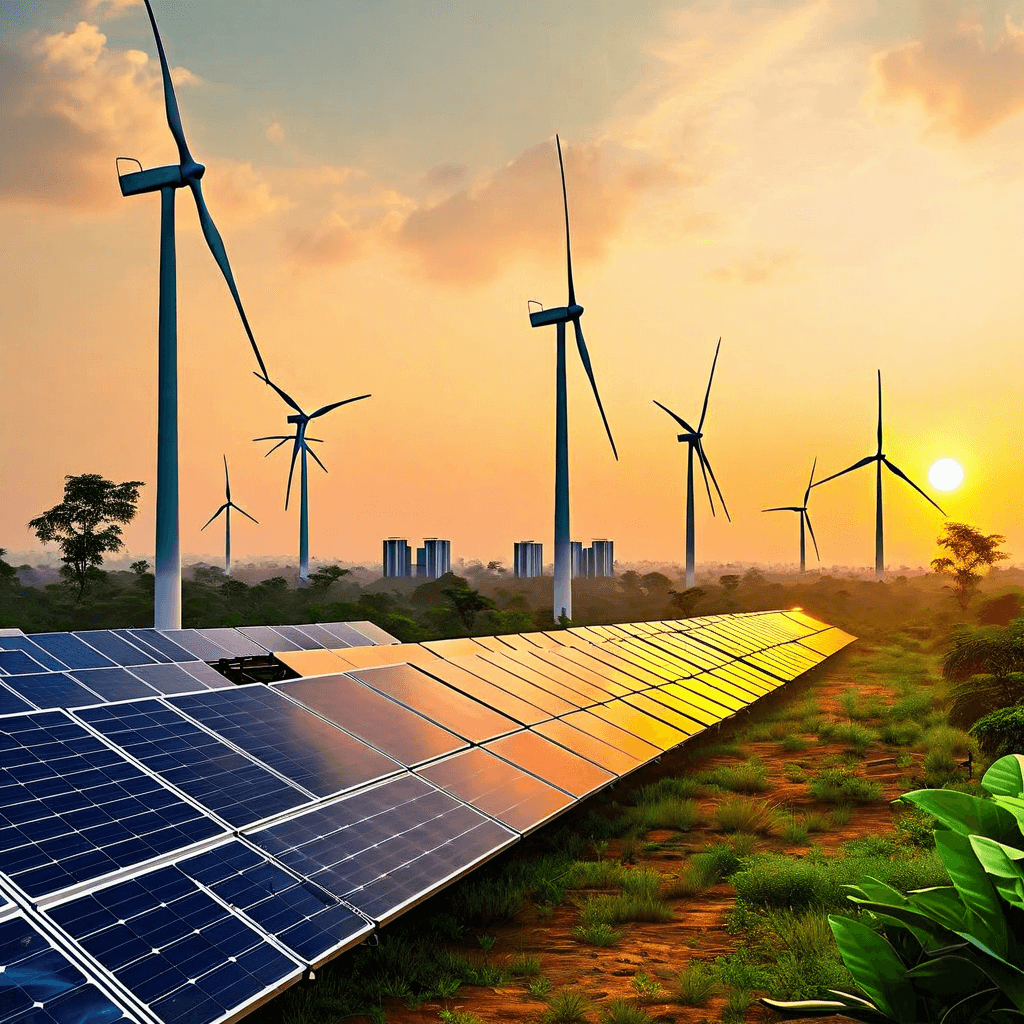
The hybrid solar-wind project across Maharashtra and Karnataka enables CleanMax to provide round-the-clock power supply through strategic geographic and technological diversification. Solar and wind energy exhibit complementary generation patterns—solar peaks during daylight hours while wind often strengthens during nighttime and early morning. This natural complementarity allows the hybrid system to maintain a more stable baseload throughout the day compared to standalone solar or wind projects.
Geographic diversification across Maharashtra and Karnataka provides additional advantages. Weather patterns affecting solar irradiance or wind speeds vary geographically, reducing the likelihood of simultaneous generation shortfalls. Distribution across multiple states helps balance regional grid constraints and transmission limitations. For high-density data center operations requiring 99.99%+ uptime reliability, this hybrid approach significantly reduces dependence on grid power or expensive diesel backup during renewable generation dips.
Strategic Alignment with 24/7 Carbon-Free Goals
Iron Mountain's commitment to achieving 24/7 carbon-free energy by 2040 is a central driver behind this hybrid renewable power procurement strategy. This target aligns with the company's broader sustainability commitments, including being one of approximately 200+ signatories on The Climate Pledge for net zero carbon by 2040. The company's global data center operations are already matched by 100% renewable power.
The hybrid solar-wind project with CleanMax will supply approximately 32 million kWh of clean energy annually, increasing the renewable energy share across Iron Mountain's Indian data centers to about 75%. This represents significant progress toward the 24/7 CFE goal, which requires real-time or hourly monitoring of energy consumption and matching it with equivalent carbon-free energy production. Achieving hourly matching requires a diverse mix of renewable energy sources, as solar power is only available during the day while wind power can complement solar during different periods.
CleanMax's Strategic Pivot
This focus is driven by exponential demand growth in the data center sector, which far outpaces other commercial and industrial segments. Data center operators face intense pressure to decarbonize operations due to corporate climate commitments, customer requirements, regulatory pressures, and investor expectations.
CleanMax's 5.7 GW of operational and contracted renewable energy capacity across India, the Middle East, and Southeast Asia provides significant advantages for servicing large-scale data center customers. This substantial scale enables the company to meet growing demand, provide geographic matching, offer technology flexibility, and demonstrate project development expertise. The diverse technology portfolio allows customization of solutions based on customer requirements—solar-heavy for daytime loads, wind-heavy for nighttime, or hybrid for balanced profiles.
The Green Power Pass Premium
The Green Power Pass program plays a critical role in enhancing the commercial value of CleanMax's power supply by enabling customers to claim renewable energy usage with transparency and traceability. This framework enables customers to directly account for renewable energy procured for their operations, claim renewable energy usage in corporate sustainability reporting and ESG disclosures, demonstrate carbon reduction to stakeholders, and meet renewable energy commitments under initiatives like RE100 or The Climate Pledge.
The program provides hourly energy matching capability, location-specific attribution, third-party verification, and comprehensive reporting for sustainability reporting and regulatory compliance. These features address growing demands for transparency and credibility in corporate renewable energy claims. The Green Power Pass integration positions CleanMax as a solutions provider rather than a simple commodity electricity supplier, enabling premium pricing and longer contract tenures.
State-Level Regulatory Navigation
The regulatory environments in Maharashtra and Karnataka significantly influence the development and operation of CleanMax's hybrid solar-wind assets. Maharashtra accounts for nearly 50% of India's data center power load, creating a large addressable market with economies of scale. Karnataka has established itself as a leading renewable energy state with progressive policies and excellent solar resources, particularly in northern regions.
Both states offer favorable frameworks for group captive projects, including exemptions from cross-subsidy surcharge and additional surcharge. However, maintaining group captive status requires ongoing compliance with metering and scheduling requirements, shareholding audits, consumption proof demonstrating 51% power offtake annually, and state-specific regulations. CleanMax's deep expertise in navigating these state-specific regulatory environments represents a significant competitive advantage.
The Road Ahead
The rapid expansion of India's data center market, fueled by AI and cloud computing, is creating significant pipeline opportunities for CleanMax's hybrid power projects.
This represents a 6-7x increase in capacity over the next five years, creating enormous renewable energy demand.
CleanMax is well-positioned to capture this growth through its differentiated hybrid solutions, group captive expertise, and established customer relationships. However, success will require continued innovation, strategic capital allocation, and careful risk management as competition intensifies and customer expectations evolve. The convergence of exponential data center power demand, aggressive decarbonization targets, and favorable regulatory frameworks for group captive renewable projects creates a transformative opportunity for specialized renewable developers like CleanMax in India's evolving energy landscape.