This sharp increase—the steepest on record—was designed to moderate gold imports and conserve foreign exchange reserves amid geopolitical uncertainty and rupee depreciation.
The key difference lies in the decade-long formalization journey. Since 2015, mandatory hallmarking, GST registration requirements, and BIS compliance have fundamentally altered the market structure. Organized retail penetration has expanded materially over the past five years, creating substantial headroom for continued market share gains as compliance standards tighten. Unlike previous cycles where tax hikes triggered significant shifts to unofficial channels, the current ecosystem benefits from stronger regulatory infrastructure, greater consumer awareness, and established organized players who can absorb short-term disruptions.
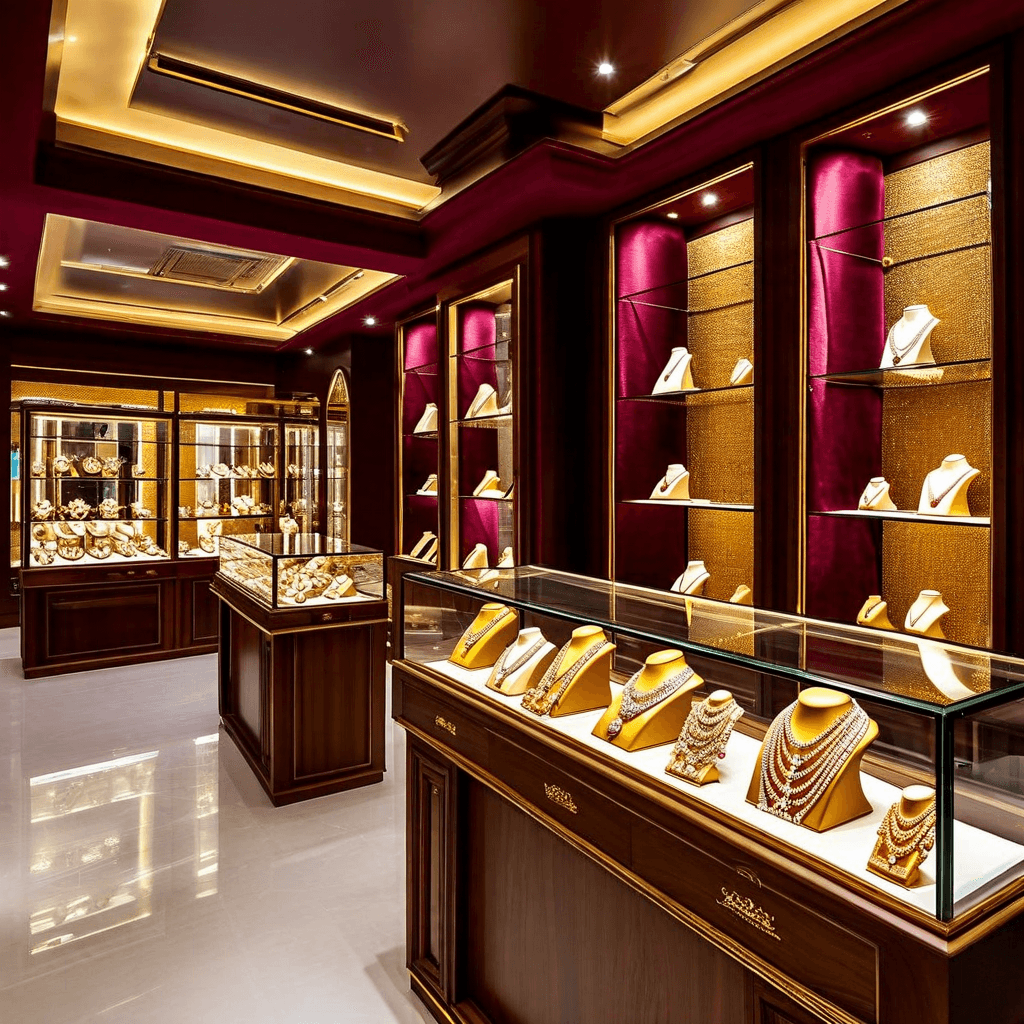
Compliance standards have become a powerful driver of organized retail expansion. India's jewelry market remains highly fragmented with an estimated 500,000-600,000 jewellers, but organized players are steadily gaining ground. Consumers increasingly prioritize purity assurance, transparent pricing, and trusted purchase experiences—attributes that organized retailers like Titan Company deliver consistently. The regulatory environment, including mandatory hallmarking and GST compliance, has created barriers to entry that favor established players with the scale and systems to meet these requirements.
The Consumer Psychology of Gold Purchasing
Indian consumers exhibit a unique behavioral pattern: they respond more to price stability than to absolute price levels. During periods of volatility, buyers postpone purchases not because they cannot afford gold, but because uncertainty about optimal timing creates hesitation. This "exposure effect"—where gold's traditional role as a savings vehicle reduces anxiety about price fluctuations—means consumers adapt to stable higher prices over time but struggle with unpredictable swings.
Wedding-related buying provides remarkable demand resilience, contributing close to 60% of jewelry consumption. Bridal jewelry dominates with 50-55% market share by weight, and this demand has proven relatively price inelastic. Despite the rupee gold price almost doubling since 2012, bridal jewelry has lost only 5-10% market share. The cultural significance of gold in weddings, combined with the concept of streedhan (property that belongs solely to the woman), makes these purchases non-discretionary. With India hosting an estimated 11-13 million weddings annually and women marrying at an average age of 22, this structural demand anchor remains robust.
Simultaneously, a significant shift is occurring in investment demand. Younger households increasingly treat gold first as an investment asset and later as a consumption product.
This trend reflects rising financial literacy, macroeconomic uncertainty, and the growing preference of millennials for portfolio diversification. Digital gold platforms, gold ETFs, and Sovereign Gold Bonds are onboarding a new generation of investors who may never set foot in a traditional jewelry store.
Titan's Competitive Moat and Growth Drivers
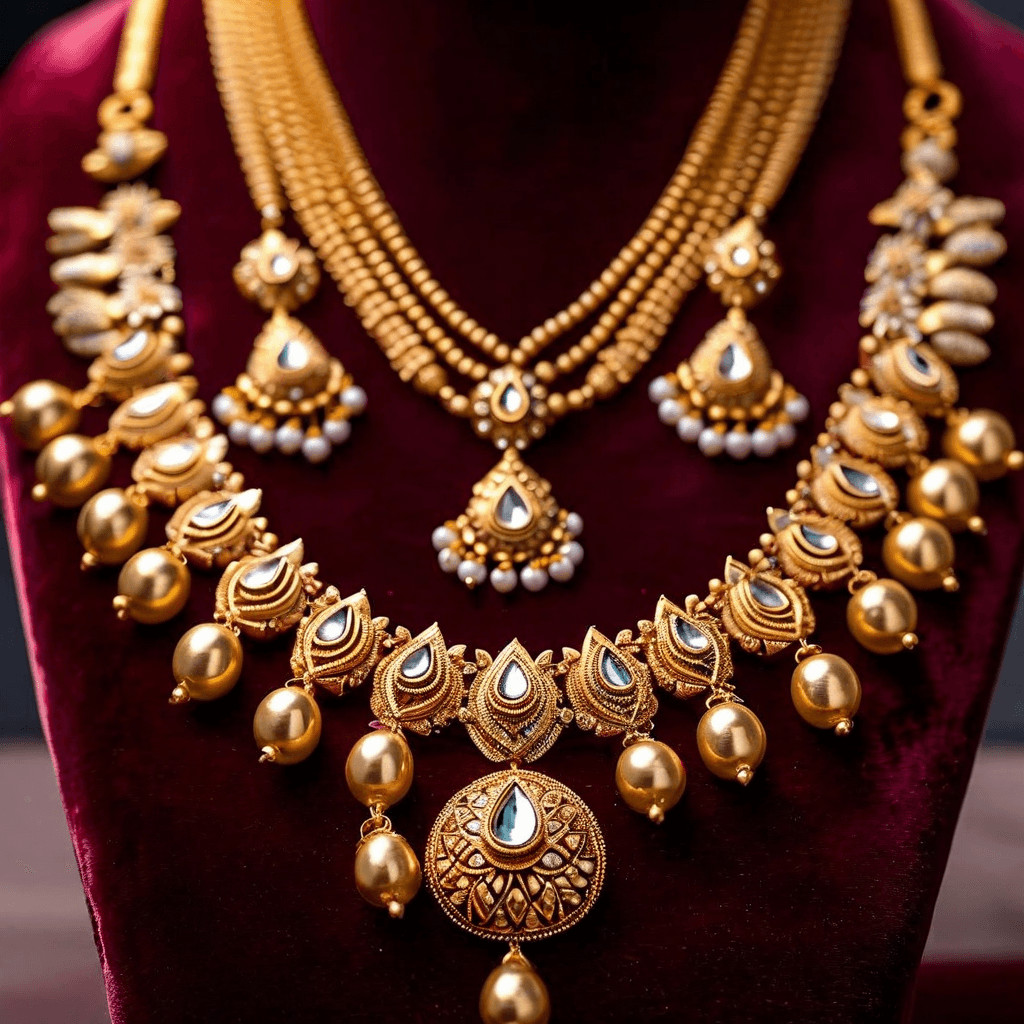
Titan Company's long-term story is built on Tanishq's unassailable brand moat in India's fast-formalizing jewelry market. Three interconnected advantages create a compounding competitive edge: superior sourcing capabilities, optimized studded ratio, and youth-centric positioning. Tanishq operates one of the world's most modern jewelry factories at Hosur, Tamil Nadu, ensuring quality control and ethical production. The company's ability to balance its product mix—with diamond jewelry offering 2.5x higher margins than plain gold—enhances profitability while maintaining accessibility.
This exceptional performance was driven by the Festival of Diamonds campaign, robust exchange programs, and sustained consumer confidence. The company's focus on buyer growth rather than just value growth, particularly in the context of rising gold prices, has proven effective. Structural drivers including increasing disposable incomes, premiumization, younger consumers, and greater financial independence among women continue to support demand.
The scaling of CaratLane and watches provides multiple growth vectors supporting Titan's medium-term aspiration of 15-20% CAGR. CaratLane, with around 370 stores, is expected to maintain strong growth momentum at approximately 30% CAGR. The company's measured expansion approach—prioritizing store-level returns over aggressive rollout—ensures sustainable growth. Meanwhile, the watches business is targeting $1 billion in consumer-price terms by FY27, with premium and luxury segments growing faster, potentially upwards of 30%. These segments diversify Titan's revenue streams and capture different consumer demographics and price points.
Navigating Near-Term Headwinds
Titan's Q4 FY26 results tell a story of exceptional operational performance tempered by strategic investments and temporary headwinds. While consolidated revenue grew 81% year-on-year and standalone jewellery EBIT increased 29%, consolidated PAT missed analyst estimates. This divergence stems from two specific factors: GCC international business losses from the Damas acquisition and CaratLane margin pressure from ERP transition challenges.
The Damas acquisition, completed for ₹2,858 crore, added 123 stores to Titan's international network but incurred ₹82 crore in integration costs during Q4 FY26. JP Morgan projects improvement in international margins from 1.6% in FY26 to mid-single digits as scale increases and the acquisition gets streamlined. Similarly, CaratLane's ERP transition represents a temporary headwind that should normalize as the system stabilizes, enabling the company to return to its 10%+ operating margins.
Gold price stabilization could provide a meaningful margin tailwind. Analysts project EBITDA margins of ~10% for FY27 and 10.4% for FY28, representing improvement from Q4 FY26 levels of 9.2%. In a bull case scenario where gold prices stabilize at ₹1.5L/10g, jewelry revenue could grow 20%+ with margin stability at 11-11.5%, driving EPS upside of 15-20%. This margin recovery would enable accelerated investments in growth initiatives, competitive positioning, and shareholder returns.
Technology and Global Macro Forces
Technology is accelerating the transformation of India's gold ecosystem through blockchain-led traceability, tokenization, and digital ownership infrastructure. These innovations enhance transparency and liquidity while improving purity assurance and transparent pricing—key factors driving the shift toward organized retail. Blockchain technology creates immutable records from mine to consumer, addressing long-standing challenges of counterfeiting and lack of transparency. Tokenization enables fractional ownership and 24/7 liquidity, democratizing gold investment. Digital gold platforms have experienced remarkable 35% year-on-year growth in user adoption, with 5-6 million active accounts.
Digital integration and monetization of idle household gold contribute to a structurally stronger growth trajectory. India holds an estimated 25,000+ tonnes of privately held gold worth several trillion rupees, largely idle and outside the formal financial system. While the Gold Monetisation Scheme has mobilized only 39 tonnes in a decade, digital platforms and gold loan innovations are making progress. The organized gold loan market has expanded at 26% CAGR, reaching ₹11.8 trillion in AUM by March 2025, with digital innovations like AI-based valuations and doorstep services driving financial inclusion.
Global macro forces reinforce gold's strategic importance as a long-term store of value.
Sovereign debt concerns, with U.S. debt-to-GDP approaching 110%, and geopolitical uncertainty including conflicts in the Middle East and Eastern Europe, support sustained safe-haven demand. Reserve diversification trends away from the U.S. dollar further strengthen the medium-term investment narrative.
India's potential development as a larger participant in the global gold value chain positions organized players like Titan for long-term growth. The India International Bullion Exchange (IIBX), established at GIFT City IFSC, aims to streamline India's bullion trade and connect it to international markets. India's gems and jewelry exports are expected to reach US$ 100 billion by 2027, supported by favorable trade agreements like the India-UK CETA and India-UAE CEPA. Titan's international expansion through Damas and Tanishq's global presence positions the company to capture this growth.
The convergence of these forces—formalization, digital transformation, global macro support, and India's value chain development—creates a structurally stronger ecosystem. While policy execution and cyclical headwinds will create near-term volatility, the long-term trajectory for India's gold market and its leading organized players appears increasingly robust.