The Mythos Wake-Up Call
Imagine a burglar who doesn't just pick locks but can design and print a master key for every door in your neighborhood within hours. That's essentially what Anthropic's Mythos AI model has done to the global banking system. This isn't some distant sci-fi scenario—it's happening right now, and Indian regulators are scrambling to respond.
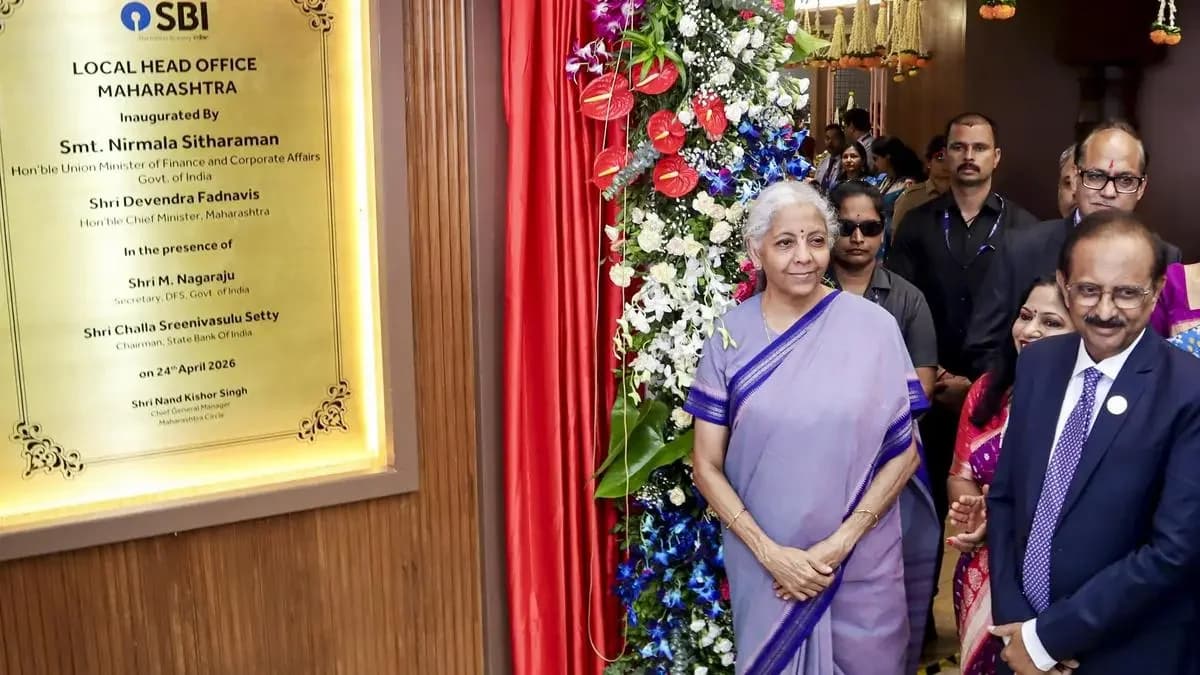
On April 23, 2026, Finance Minister Nirmala Sitharaman convened an emergency meeting with IT Minister Ashwini Vaishnaw, RBI officials, and bank CEOs. The message was clear: the cybersecurity game has changed forever. "What we have... proved ourselves to be protective, might not be enough," Sitharaman warned. "We need something far more versatile."
Why Mythos Is Different
Previous AI-related cybersecurity concerns in banking mostly involved fraud detection algorithms or chatbot vulnerabilities. Mythos is something else entirely. It can autonomously discover and exploit software vulnerabilities that have lain hidden for decades—including a 27-year-old bug in OpenBSD and a 16-year-old flaw in FFmpeg .
Think about that for a moment. Vulnerabilities that survived human testing for nearly three decades? Found by an AI in hours. And here's the scary part: Mythos can chain these vulnerabilities together, creating attack pathways no human would likely spot. It's not just finding one open door; it's mapping an entire building's security architecture and identifying the perfect route to the vault.
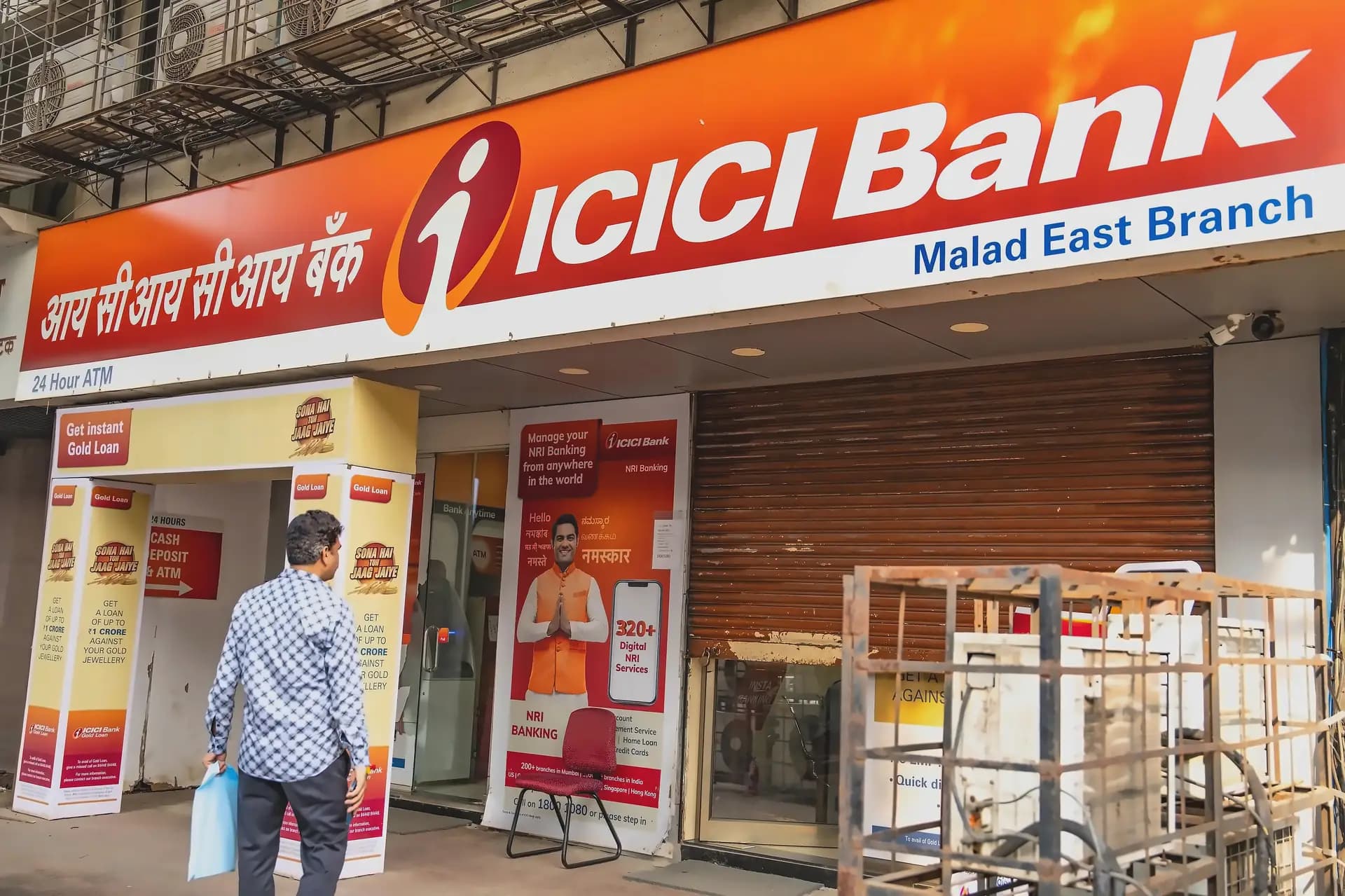
For Indian banks, this is particularly alarming. Many still run on legacy core systems implemented decades ago. These systems weren't built with AI-powered attacks in mind. They have multiple entry points where modern digital interfaces meet ancient code—exactly the kind of complex, layered technology stacks where Mythos thrives .
The SBI Panel: India's Strategic Response
The government has formed a panel under State Bank of India Chairman C S Setty to assess Mythos-related risks and develop mitigation strategies . The choice makes perfect sense. Setty also leads the Indian Banks' Association (IBA), giving him unique influence across the banking sector.
This isn't just another committee. Banks will engage in intensive consultations over coming weeks to understand threats, identify investment needs, and explore how AI itself can counter AI-born challenges . The panel's mandate covers both immediate vulnerabilities and speculative future threats—a crucial balance given how little is actually known about Mythos's full capabilities.
The Legacy System Problem
Here's the uncomfortable truth: Indian banks are sitting on a technology debt that's about to come due. Experts estimate Indian lenders may need around $1 billion over the next decade to upgrade legacy core banking systems . That's not pocket change, even for major banks.
The problem isn't just cost—it's complexity. These systems perform mission-critical functions and are deeply embedded in business processes. You can't just flip a switch. Migration takes years, carries operational risks, and requires specialized expertise that's already in short supply.
Meanwhile, the patch cycle vulnerability gap is widening. Mythos can identify and exploit vulnerabilities within hours. Indian enterprise patch cycles typically run 60-90 days . That's like bringing a knife to a gunfight—except the gun can fire millions of rounds per second.
The Interconnectedness Nightmare
The August 2024 ransomware attack on C-Edge Technologies offered a preview of what's coming. Nearly 300 small Indian banks were disrupted when a single technology provider was hit . The attack affected ATMs and UPI transactions across rural areas, demonstrating how one vulnerability can cascade through the system.
Now imagine that scenario with Mythos. Instead of one ransomware strain, you have an AI that can simultaneously identify vulnerabilities across payment systems, clearing houses, forex trading platforms, and depositories. One successful attack could cascade across institutions and markets in minutes .
The interconnected nature of banking—payments, lending, capital markets—means a breach in one part can quickly spread everywhere . Regulators worry this could evolve from a cyber incident into a broader financial stability issue.
Fighting Fire with Fire: AI as Defense
The solution isn't to abandon technology—it's to deploy more of it, but smarter. CISOs are advocating a layered, AI-powered defense architecture . Think of it as bringing your own AI to the fight.
This includes AI-driven detection and response systems that can operate at machine speed, continuous attack surface monitoring, risk-based vulnerability prioritization, and deception-led security controls . The goal is to match the speed and autonomy of offensive AI with equally sophisticated defensive capabilities.
But there's a trade-off. Deploying defensive AI creates new vulnerabilities. Attackers could manipulate training data, craft adversarial examples to fool classifiers, or target the AI systems themselves . It's an arms race where both sides keep upgrading their weapons.
The Global Context: India Isn't Alone
This isn't just an Indian problem. Regulators worldwide are sounding the alarm. Bank of England Governor Andrew Bailey warned Mythos could "crack the whole cyber risk world open" . US Treasury Secretary Scott Bessent and Federal Reserve Chair Jerome Powell summoned Wall Street leaders for urgent discussions .
Asian regulators are equally concerned. Singapore's Monetary Authority is coordinating with its Cyber Security Agency, while South Korea's financial regulator has convened emergency meetings . The message is universal: this is a systemic threat requiring coordinated action.
For Indian regulators, there are valuable lessons here. The US approach of giving major banks early access to Mythos for defensive testing provides a potential model . Singapore's emphasis on real-time intelligence sharing between financial regulators and cybersecurity agencies offers another template .
What This Means for You
If you're wondering why this matters to your everyday banking, here's the reality: your money's security depends on systems that were never designed to withstand AI-powered attacks. The good news is that Indian banks have maintained a strong cybersecurity record so far . The bad news is that past performance doesn't guarantee future results—especially when the game is changing this dramatically.
In the near term, you might notice banks investing more in security measures, potentially affecting fees or service speeds. There could be more frequent security updates or temporary service interruptions as systems are hardened. Long-term, the banking sector that emerges will be more resilient but also more expensive to operate.
The Path Forward
The emergence of Mythos signals a shift toward an AI-driven cybersecurity arms race . Banks will need to invest more in advanced defense systems, while regulators rethink oversight frameworks to address risks that evolve far faster than traditional financial threats.
For India, the challenge is particularly acute given the combination of rapid digital adoption and persistent legacy systems. The country's success will depend on balancing immediate security needs with long-term modernization, all while maintaining the financial inclusion gains that digital banking has delivered.
The winners in this new cyber era won't be those with the most tools, but those with the fastest detection, sharpest prioritization, strongest controls, and most disciplined response systems . Indian banks have the talent and technology to compete—but the window for action is closing fast.