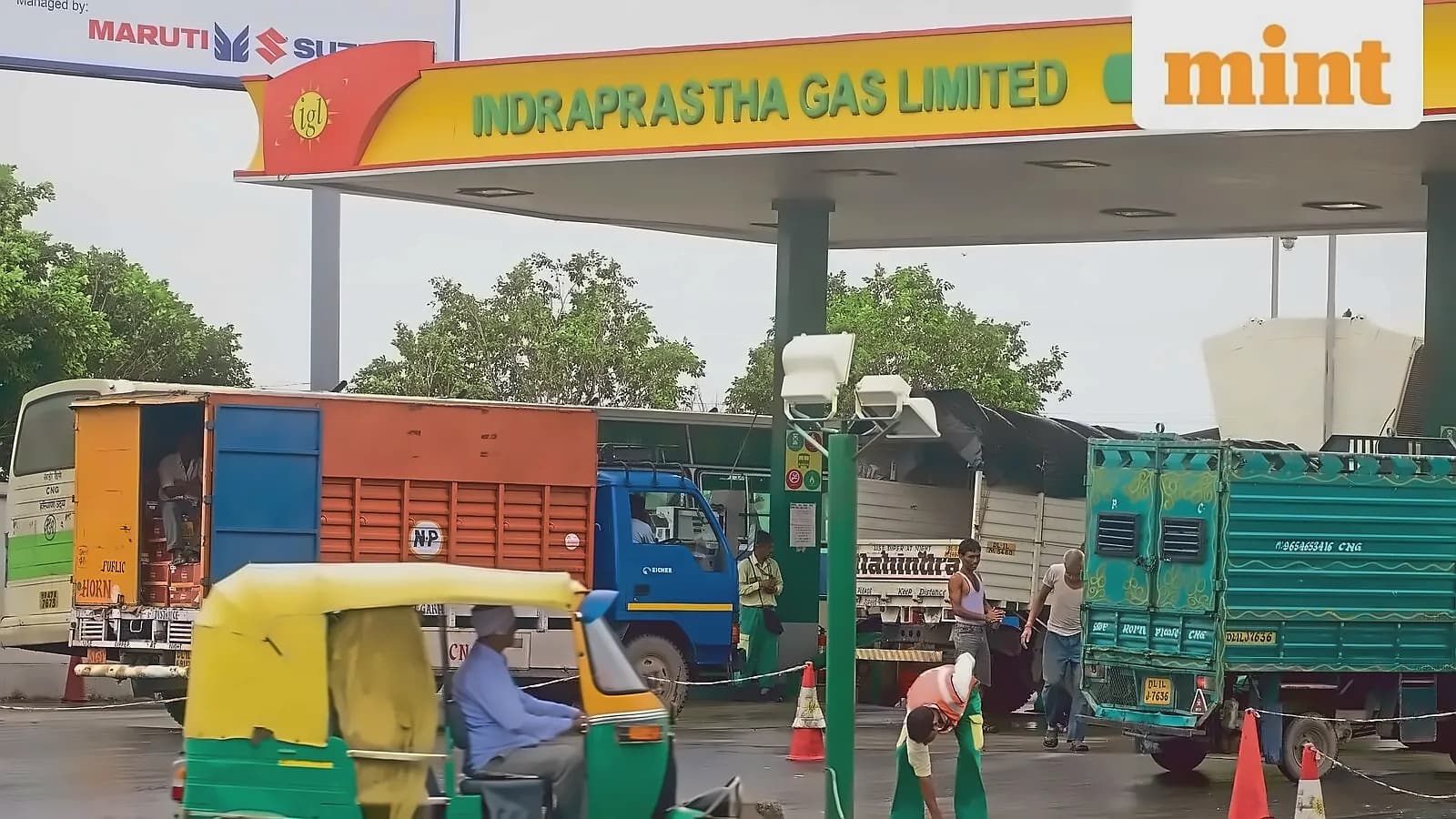
Indraprastha Gas Limited’s ability to pass through rising input costs has hit a wall.
Yet IGL’s EBITDA margins tell a story of compression—down from 20.0% in FY25 Q1 to 12.9% by FY26 Q3. The company has responded with aggressive price hikes, including four increases totaling ₹3 per kg in less than two weeks during May 2026. But even these moves haven’t fully offset the cost pressure. The gap between cost increases and price adjustments has widened, squeezing operating profitability despite IGL’s pricing autonomy in the NCR region.
The frequency of these price revisions creates its own working capital challenges. When IGL hikes prices rapidly, it improves cash flow by recovering costs faster, but it also strains customer relationships and can delay payments from commercial fleet operators. IGL’s strong balance sheet—with near-zero debt and ₹144.62 crore in cash—provides a buffer, but the working capital cycle tightens during periods of frequent price volatility. The company’s operating cash flow remains robust at ₹2,198.80 crore annually, yet the margin trajectory suggests that pricing power alone isn’t enough to fully protect earnings from global gas price volatility.
Demand Under Pressure
The cumulative ₹2 per kg CNG price increase raises questions about demand elasticity among commercial vehicle operators. CNG still offers a 19-27% cost advantage over diesel and petrol, but that cushion is narrowing. Forum discussions suggest the price differential between diesel and CNG has shrunk to just ₹3-5 per kg in some markets. For bus operators with low price elasticity, the impact may be minimal. But for cab aggregators and auto-rickshaw drivers facing moderate to high elasticity, volume contraction becomes a real risk.
IGL’s own data reveals vulnerability. The company expects around 10 lakh kg per day of volumes to be impacted by Delhi’s EV aggregator policy mandating 100% electric fleets by 2030. The recent price hikes could accelerate this shift. Historical patterns show that when CNG prices rise, commercial operators don’t immediately abandon the fuel—conversion costs and vehicle lock-in create short-term stickiness. But medium-term, sustained higher prices combined with EV incentives could drive 5-8% volume contraction. IGL’s market share in the CNG segment remains strong due to its NCR monopoly, but the competitive landscape is evolving as alternative fuels become more viable.
Regulatory and Competitive Dynamics
IGL operates under a fundamentally different pricing paradigm than oil marketing companies.
IGL has more operational flexibility, demonstrated by its ability to implement ₹3/kg in price increases within three days in May 2026. Yet this autonomy is constrained by political considerations. In January 2025, the government increased IGL’s cheap gas allocation by 31% specifically to prevent CNG price hikes ahead of Delhi elections.
The Centre’s ₹10 per litre excise duty reduction on petrol and diesel in March 2026 had minimal direct impact on CNG competitiveness since the benefit wasn’t passed to consumers at the pump. However, it signals asymmetric policy support for conventional fuels. The regulatory framework under PNGRB provides IGL with geographical monopolies but also imposes oversight. The Kirit Parikh committee’s recommendations for APM gas deregulation by January 2027 could introduce more volatility but also greater pricing flexibility. For now, IGL navigates a complex landscape where pricing decisions require both commercial logic and political consent.
Global Shocks, Local Impact
Middle East tensions have dramatically altered IGL’s cost structure. The Strait of Hormuz disruption in February-March 2026 caused the Indian crude basket to nearly double from $69 to $126 per barrel, while spot LNG prices surged 64%. IGL’s procurement costs rose over ₹10 per kg in just three months. The rupee’s depreciation from ₹91 to ₹96 against the dollar added another 5.5% to import costs. With 20% of IGL’s gas portfolio linked to Henry Hub contracts at $13.40/mmBtu—higher than crude-linked alternatives at $8.80/mmBtu—the company faces margin pressure from multiple directions.
The correlation between OMC fuel price hikes and IGL’s CNG revisions reflects broader energy market integration. When OMCs raised petrol and diesel by ₹3 per litre on May 15, IGL simultaneously increased CNG by ₹2/kg. This synchronization isn’t coincidental—it responds to shared geopolitical drivers and maintains relative fuel price stability. However, IGL faces asymmetric currency risk compared to OMCs.
Analysts estimate city gas distributors face 4-11% EPS contraction from currency headwinds alone.
FY26 Outlook and Strategic Trade-offs
Analysts forecast IGL’s revenue will grow 20.75% to ₹195.21 billion in FY26, with EPS rising 19.30% to ₹13.21. But this growth comes with caveats. The first three quarters of FY26 showed revenue declining 7-17% year-on-year, with Q4 expected to drive the full-year recovery primarily through price increases rather than volume expansion. EBITDA margins are projected to compress 150-200 basis points to around 11-12%. The company faces a fundamental trade-off: maintain price competitiveness to preserve volumes or protect profitability through price hikes.
IGL’s current strategy leans toward the latter—moderate price increases to defend margins while accepting some volume contraction.
This shift influences capital expenditure plans, with 60-65% of the projected ₹8,400-9,000 crore capex over FY26-28 directed toward PNG and industrial infrastructure rather than CNG stations.
The path forward requires balancing immediate margin protection with long-term structural adaptation. IGL’s monopoly in NCR, strong balance sheet, and Henry Hub contracts providing cost predictability for 66% of volume offer advantages. But the margin compression trend, EV transition threat, and political constraints on pricing create significant headwinds. The company’s ability to maintain its ₹7-8 EBITDA per SCM target while executing its industrial growth strategy will determine whether FY26 represents a transition year or the beginning of a more challenging structural shift.