The government's ambitious asset monetization agenda has hit a reality check. What appears to be a coordinated IPO strategy for three public sector entities—Hindustan Urvarak & Rasayan Limited (HURL), THDC India Limited, and North Eastern Electric Power Corporation Limited (NEEPCO)—is actually a far more nuanced picture.
THDC and NEEPCO have no listing plans whatsoever. The Strait of Hormuz disruption, while creating fertilizer supply challenges, doesn't change these fundamental realities. Transcripts +1
HURL's Disinvestment Path
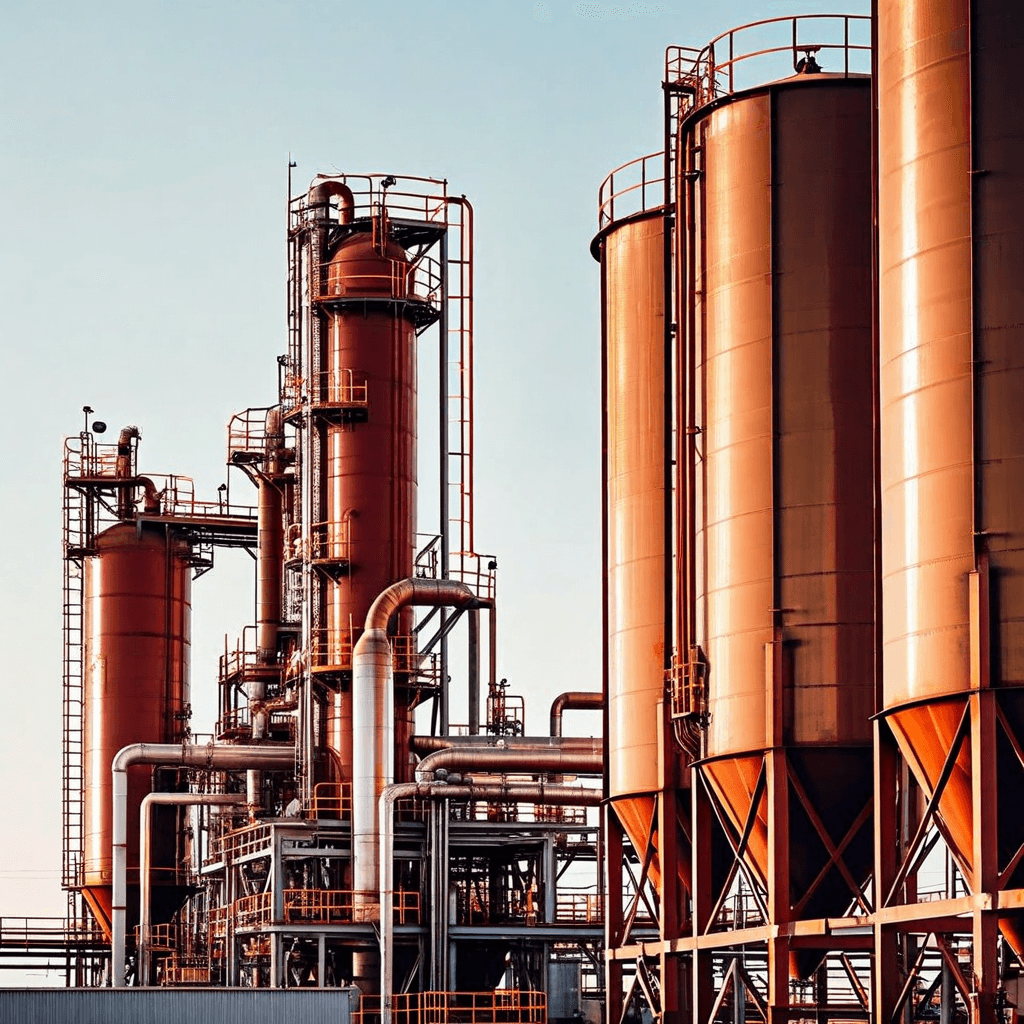
HURL's financial performance tells a story of operational success. The company reported profit after tax of Rs 1,382.07 crore in FY 2024-25—not Rs 1.38 lakh crore as some reports suggest. Revenue stood at Rs 15,909.70 crore, with production reaching 3.30 million metric tonnes of neem-coated urea. In September 2025, HURL declared its first-ever interim dividend of Rs 1.53 per share, totaling Rs 1,343.25 crore. These numbers reflect a profitable, operational company—not a startup seeking IPO funding. AnnualReports
The ownership structure reveals why disinvestment makes sense. Coal India holds 33.33%, while Indian Oil Corporation and NTPC each hold 29.67%. FCIL and HFCL together control 10.99% through land lease contributions. Fertilizer operations fall outside the core business of all three lead promoters. The Department of Fertiliser issued a directive on October 12, 2022, exploring disinvestment options. All three promoters secured board and ministry approvals. However, the process remains on hold pending clarification on how to treat FCIL and HFCL's land-lease stake. AnnualReports +3
The 51% promoter retention requirement until loan settlement (15-year door-to-door tenure) adds another constraint. Any disinvestment must maintain promoter control above this threshold. The current focus is selling 10-11% of existing promoter holdings to strategic investors, not launching a public offering. AnnualReports
THDC and NEEPCO: No Listing Plans
The Uttar Pradesh government retains 25.504% of THDC. These acquisitions were strategic moves to build hydro capacity, not preparatory steps for public listings. AnnualReports
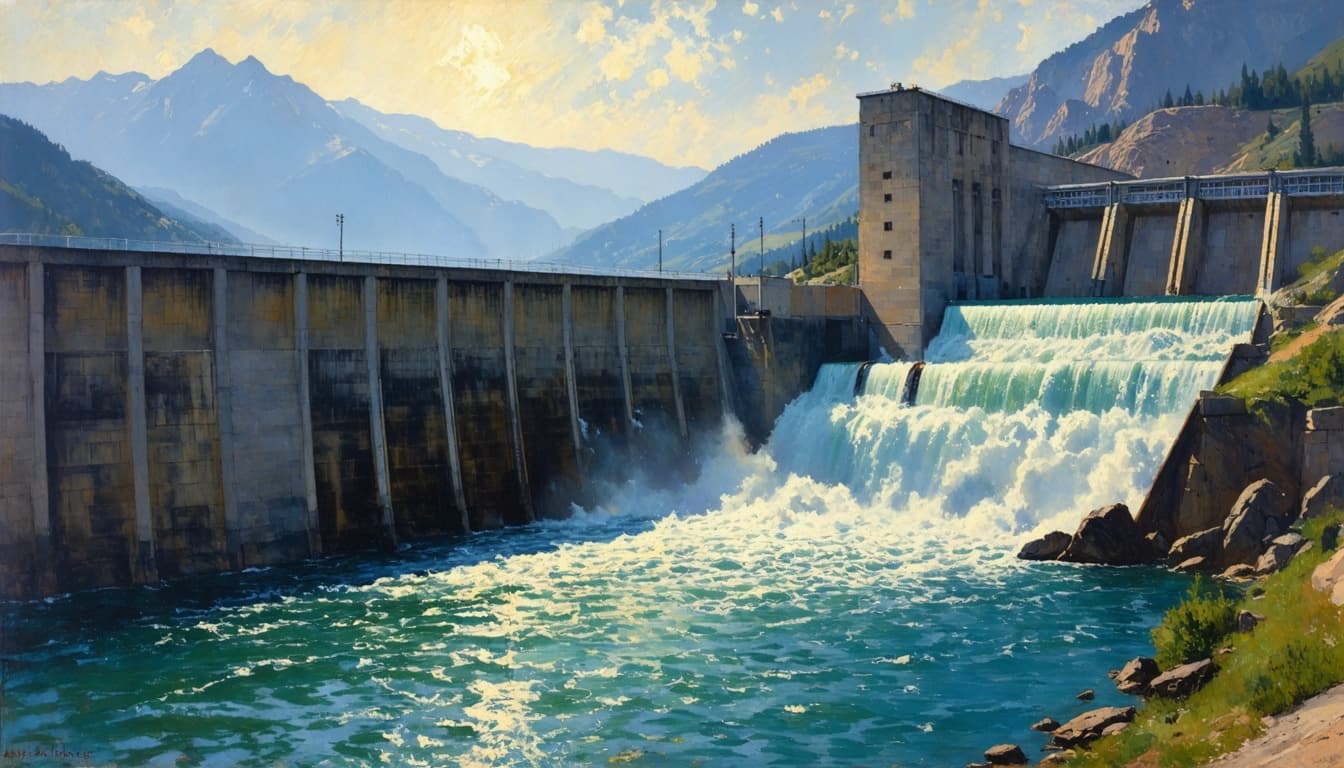
THDC's operational capacity stands at 3,907 MW as of April 2026, following the commissioning of the fourth 250 MW unit of the Tehri Pumped Storage Project. NEEPCO operates 2,057 MW across hydro, gas-based, and solar assets. Both subsidiaries are focused on capacity expansion, not capital raising through public markets. NTPC's actual listing strategy centers on NTPC Green Energy Limited, which filed its DRHP in September 2024. Transcripts
Strait of Hormuz Impact
The ongoing West Asia conflict and Strait of Hormuz disruption have created significant fertilizer supply challenges. Urea import prices surged from $510 per tonne in February to nearly $950 per tonne in April 2026.
GCC countries account for 40% of India's urea imports and over 60% of LNG imports.
This disruption creates both risks and opportunities for HURL. On the risk side, higher LNG feedstock costs pressure margins. Fertilizer subsidy burdens increase, straining government finances. Supply chain disruptions affect operational efficiency. However, HURL's domestic production capacity becomes more valuable when imports become expensive and unreliable. The company's operational plants at Gorakhpur, Sindri, and Barauni—running at full capacity of 4,000 TPD each—provide strategic food security value. AnnualReports
NMP 2.0 Context
The National Monetisation Pipeline 2.0 targets Rs 16.72 lakh crore over FY26-FY30, with the power sector contributing Rs 2.76 lakh crore (17% of the total). NTPC received a new asset monetization target of Rs 27,000 crore for this period. However, specific mentions of HURL, THDC, or NEEPCO in the monetization pipeline are absent from corporate documents. AnnualReports
NTPC's monetization achievements under NMP 1.0 came through NTPC Green Energy's IPO (Rs 10,000 crore raised in November 2024) and coal mine MDO contracts (Rs 7,836 crore monetized). The power sector's NMP assets prioritize transmission and renewable projects over hydro generation, given the latter's execution risks and longer gestation periods. AnnualReports +1
Market Dynamics and Investor Appetite
Global energy price volatility affects investor appetite differently across sectors. Fertilizer companies face commodity price swings and subsidy dependence, making valuations sensitive to policy changes. Hydro power companies offer stable cash flows but carry construction and geological risks. The current market environment, marked by geopolitical tensions and interest rate uncertainty, has dampened investor appetite for PSU offerings.
The operational mix of THDC and NEEPCO—combining hydroelectric, thermal, and renewable assets—would influence market perception if listings were planned. THDC's 1,000 MW pumped storage capacity supports grid stability and renewable integration, valuable attributes in an energy transition context. NEEPCO's Northeast presence offers regional development benefits but comes with execution challenges in difficult terrain.
Strategic Implications
The disinvestment of HURL, when it eventually proceeds, would generate partial recovery of promoter investments. NTPC and Coal India each invested Rs 2,642.99 crore. Selling 10% stakes could yield Rs 593-742 crore each if HURL is valued at Rs 20,000-25,000 crore. These proceeds could strengthen balance sheets or fund core business expansion. AnnualReports +3
For THDC and NEEPCO, remaining under NTPC's ownership allows operational integration and strategic coordination.
Listing these subsidiaries would unlock value but also reduce NTPC's control over strategic assets critical for energy transition.
The feedback loops between HURL's disinvestment and hypothetical THDC/NEEPCO listings remain theoretical since no listing plans exist. However, successful disinvestment of HURL could demonstrate investor appetite for PSU asset sales, potentially encouraging similar transactions. Conversely, market challenges in the fertilizer sector could temper enthusiasm for power sector offerings. Transcripts +1
Conclusion
The narrative of coordinated IPOs for HURL, THDC, and NEEPCO doesn't align with documented facts. HURL pursues disinvestment of existing promoter holdings, not a public offering. THDC and NEEPCO remain firmly under NTPC's control with no listing plans. The Strait of Hormuz disruption adds complexity to fertilizer sector valuations but doesn't alter these fundamental realities. NMP 2.0 provides a broader framework for asset monetization, but specific inclusion of these entities remains unconfirmed. The government's asset monetization strategy continues to evolve, balancing fiscal objectives with strategic sector priorities. Transcripts +1