Hindustan Unilever just delivered its strongest quarterly performance in over three years.
Why? Because margins compressed 40 basis points to 23.0%, and reported profit after tax declined 2% to ₹2,680 crore despite the topline strength. InvestorPresentations +1
This divergence between growth and profitability tells a larger story about India's largest FMCG company. HUL is winning on volume and market share, but fighting a brutal battle against input costs that shows no signs of easing anytime soon.
The Commodity Storm That Won't Break
Palm oil has been inflationary for two consecutive years. That's the headline problem. Every basis point of price increase that HUL can't pass through flows directly into gross margin compression. The Personal Care segment—contributing around 17-18% of revenue—feels this acutely. Soaps and mass personal care products are heavy palm oil users, and this segment managed only 4% underlying sales growth with low-single digit volume decline in Q1 FY2027. InvestorPresentations
But palm oil isn't acting alone. Crude oil at $100-$121 per barrel hits HUL through multiple channels. Packaging materials—plastic films, bottles, laminates—are crude derivatives. Transportation costs are fuel-driven. The combination creates broad margin pressure across the cost line, compounding the palm oil impact.
Then there's the geopolitical wildcard. The Middle East conflict has disrupted global crude supplies, driving inflation in crude and road-linked commodities.
Management warned that while Q1 remained largely unaffected, Q2 and beyond face a more challenging operating environment.
Margin Mechanics: Where the 40 bps Went
The 40 basis points EBITDA margin contraction to 23.0% (consolidated) reflects simple math: input costs rose faster than HUL could raise prices. The company took calibrated price increases of 2-5% across portfolios, but this wasn't enough to fully offset commodity inflation. Gross margins felt the squeeze, and operating leverage couldn't compensate.
The Personal Care segment's performance illustrates this dynamic clearly. Growth was led by pricing rather than volume due to palm oil inflation. Skin Cleansing achieved mid-single digit underlying sales growth, but only Premium Bars delivered competitive double-digit volume-led growth. Bodywash continued double-digit growth, but the overall segment struggled with volume decline. InvestorPresentations
Home Care, by contrast, showed what's possible when costs cooperate. The segment delivered 14% underlying sales growth with high-single digit volume growth. Fabric Wash achieved broad-based double-digit growth led by volumes. Bars and powders sustained their step-up, while liquids accelerated double-digit growth trajectory. Household Care also hit double-digit underlying sales and volume growth. InvestorPresentations +1
Segment Divergence: Winners and Adjusters
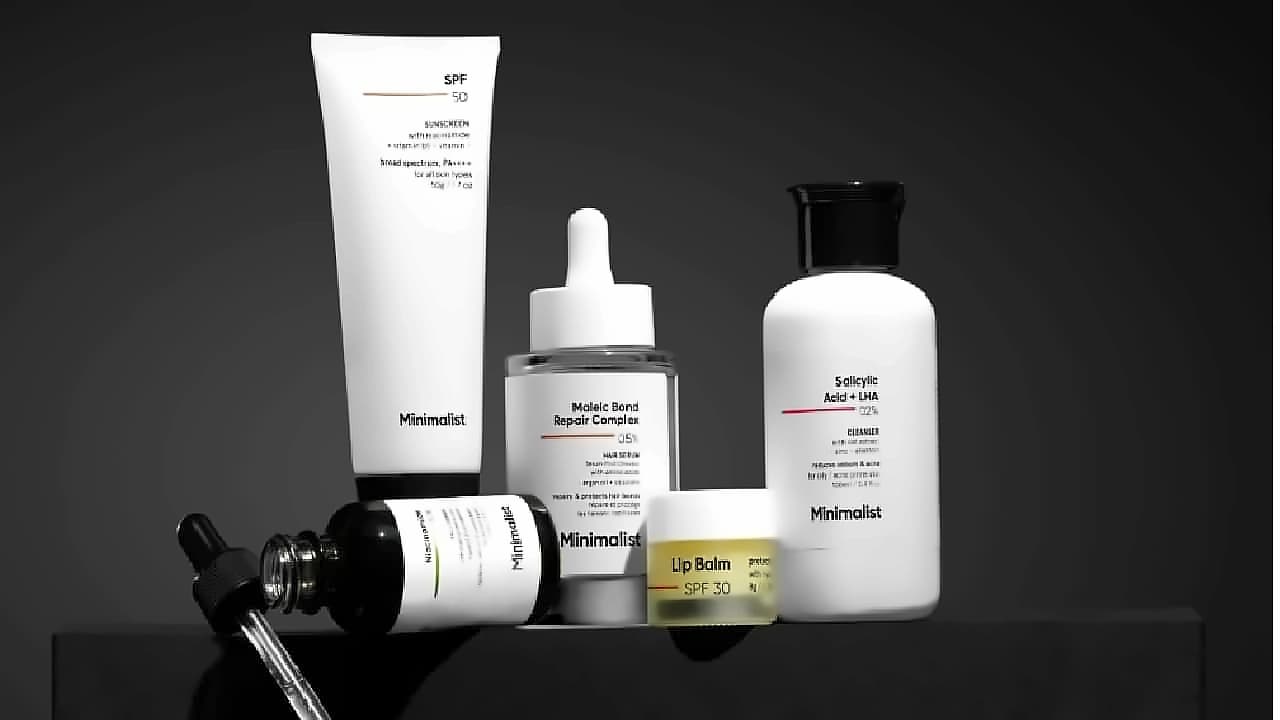
The Beauty & Wellbeing segment emerged as the standout performer. Revenue reached ₹4,083 crore with a 28% EBIT margin—the highest among segments. Underlying sales growth hit 12% with high-single digit volume growth. Hair Care delivered another quarter of double-digit, volume-led growth. Premium Hair Care including future-formats continued outperformance. Skin Care and Colour Cosmetics achieved high-single digit growth led by double-digit growth in Premium Skin Care. Minimalist strengthened its double-digit growth trajectory with sequential acceleration. InvestorPresentations +1
The Foods segment delivered solid but slower growth. Revenue reached ₹3,480 crore with a 20% EBIT margin. Underlying sales growth was 7% with mid-single digit volume growth. Coffee delivered double-digit, volume-led growth, with ready-to-drink and Bru Gold continuing to scale. Lifestyle Nutrition continued double-digit growth momentum, with Boost surpassing the ₹1,000 crore annual turnover milestone. Packaged Foods delivered high-single digit growth led by Unilever Foods Solutions, Mayonnaise, and International Sauces. InvestorPresentations +1
The OZiva Integration Challenge
HUL's acquisition strategy is showing mixed results. The company completed the acquisition of the remaining 49% stake in OZiva in February 2026 for ₹824 crore, valuing the D2C nutrition brand at ₹1,682 crore—more than three times its 2022 valuation. OZiva had demonstrated strong growth pre-acquisition, with revenue surging 148% to ₹258 crore in FY25 and losses narrowing 90% to ₹4.5 crore.
But Q1 FY2027 revealed integration challenges. Management acknowledged "soft performance in OZiva as we transition the business" while emphasizing continued investment in newer offerings and confidence in future growth potential. The transition from minority stake to full ownership required operational integration—systems, processes, and team alignment. Strategic repositioning from independent D2C model to integrated HUL portfolio approach created short-term disruption. InvestorPresentations
Minimalist, by contrast, has delivered double-digit growth with sequential acceleration. The premium skincare brand shows smoother integration and better alignment with HUL's existing beauty portfolio. The difference highlights that not all D2C acquisitions integrate equally—category dynamics, business model compatibility, and integration complexity all matter. InvestorPresentations
The Strategic Response: Investing Through the Storm
HUL isn't just waiting for commodity costs to normalize. The company is executing a comprehensive strategy to offset short-term volatility and build long-term competitive advantage.
Market development cells are creating new consumption occasions. In skin care, HUL aims to democratize niche formats like sunscreens, light moisturizers, and face washes that currently have low penetration but high growth potential. In foods, Kissan is market developing the chutney category, identifying nearly four times the consumption occasions compared to ketchups. Transcripts +1
Channel expansion is accelerating. Quick commerce customer availability increased by nearly 1,400 basis points, with turnover doubling in FY26. General Trade added approximately 2 lakh stores to reach. E-commerce achieved 25%+ turnover growth through digital-first assortments and data-led demand generation. Transcripts +2
Portfolio transformation is reducing commodity exposure. The ice cream business demerger simplified the cost structure. Strategic portfolio rotation through acquisitions (100% OZiva, scaling Minimalist) focuses on fewer, bigger bets in high-growth spaces like masstige and wellbeing. HUL has deployed ₹3,500 crores in bolt-on acquisitions strengthening presence in fast-evolving demand spaces. InvestorPresentations +2
Why Investors Sold Despite Strong Growth
The stock's 5.82% decline on results day reflects investor priorities. At a P/E of 33.93x and P/B of 10.48x, HUL trades at premium multiples. This leaves little room for disappointment, especially on margins [stock_agent].
The 40 basis points margin compression signaled that commodity cost pressures remain elevated despite management's calibrated pricing actions. The gap between underlying profit growth (9% before exceptional items) and reported performance (-2% decline) raised questions about earnings quality. The Personal Care segment's weak performance (4% underlying sales growth with volume decline) suggested competitive intensity and rural demand weakness in mass categories.
Management's FY27 EBITDA margin guidance of 22-23% range indicated limited near-term recovery potential. No clear timeline for margin normalization despite strong volume growth left investors uncertain about the path forward.
The Long-Term View Remains Intact
Beneath the near-term margin noise, HUL's strategic fundamentals remain strong. Highest growth in 13 quarters demonstrates operational execution capability. Premium portfolio shift positions for higher margins over time. Channel expansion through quick commerce and e-commerce creates new growth vectors. Market development initiatives are building future consumption occasions.
CEO Priya Nair's emphasis on brand strength and strategic priorities—brand modernization, volume growth, premiumization, and channel transformation—provides clarity on the long-term direction. The company expects FY27 to be better than FY26, driven by portfolio and channel transformation with continued focus on volume-led revenue growth through disciplined execution. InvestorPresentations +1
The question for investors isn't whether HUL can grow—it clearly can. The question is whether margin compression is a temporary headwind or a structural reality in an era of persistent commodity volatility. The answer will determine whether the current stock price decline represents a buying opportunity or a valuation reset.