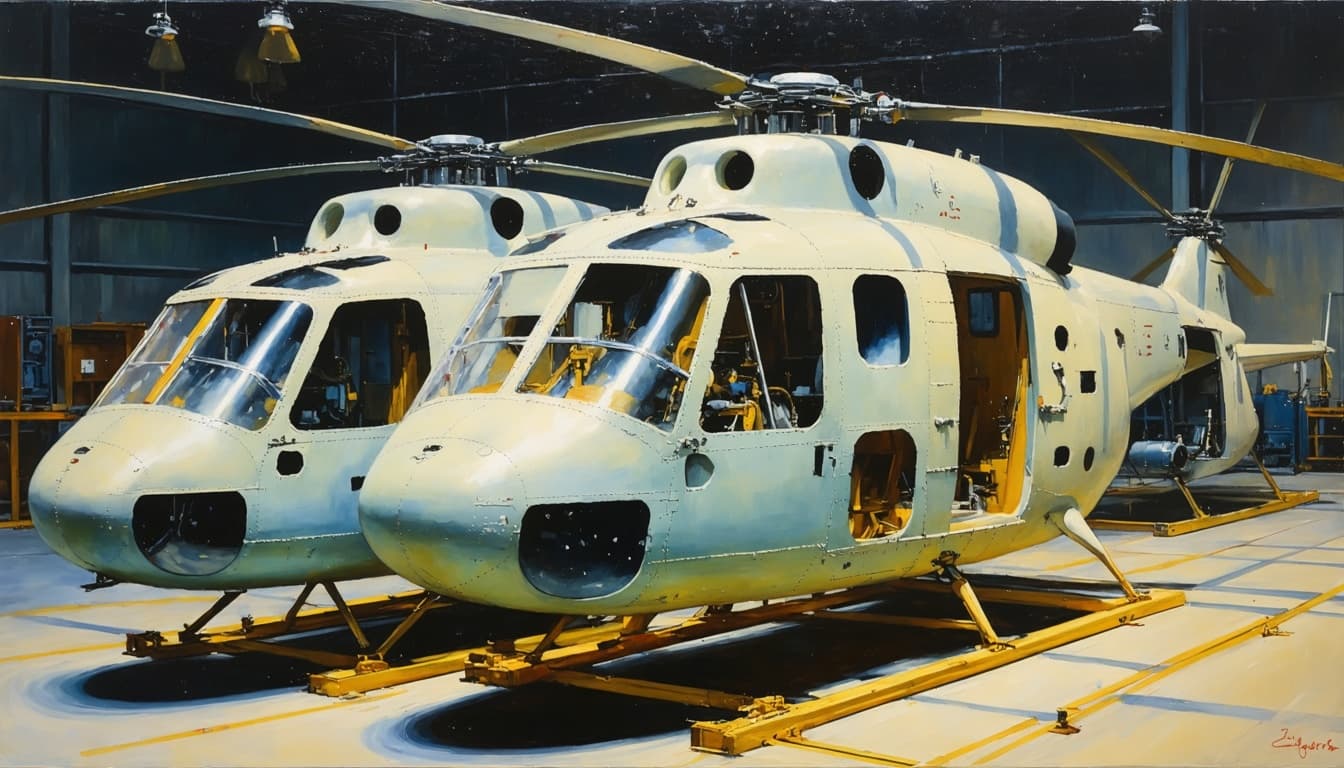
The Ministry of Defence's landmark contract for 156 Prachand Light Combat Helicopters (LCH) represents a transformative moment for Hindustan Aeronautics Limited. Valued at Rs 62,700 crore, this order breaks down into 66 helicopters for the Indian Air Force and 90 for the Indian Army, with deliveries scheduled from 2028 through 2033. This translates to approximately Rs 12,540 crore in annual revenue recognition over the five-year delivery period—roughly 39% of HAL's FY26 revenue of Rs 31,792 crores [stock_agent].
The contract significantly bolsters HAL's order book, which stands at Rs 2,54,538 crores as of March 31, 2026 [stock_agent]. With this single order representing nearly 25% of the total order book, HAL gains approximately eight years of revenue visibility at current run rates. The IAF and Army allocation creates nuanced cash flow patterns—the IAF's established aviation procurement processes may generate faster initial payments, while the Army's 90-unit allocation could involve longer acceptance cycles due to terrain-specific operational requirements. Transcripts
Partnership Structure and Revenue Dynamics
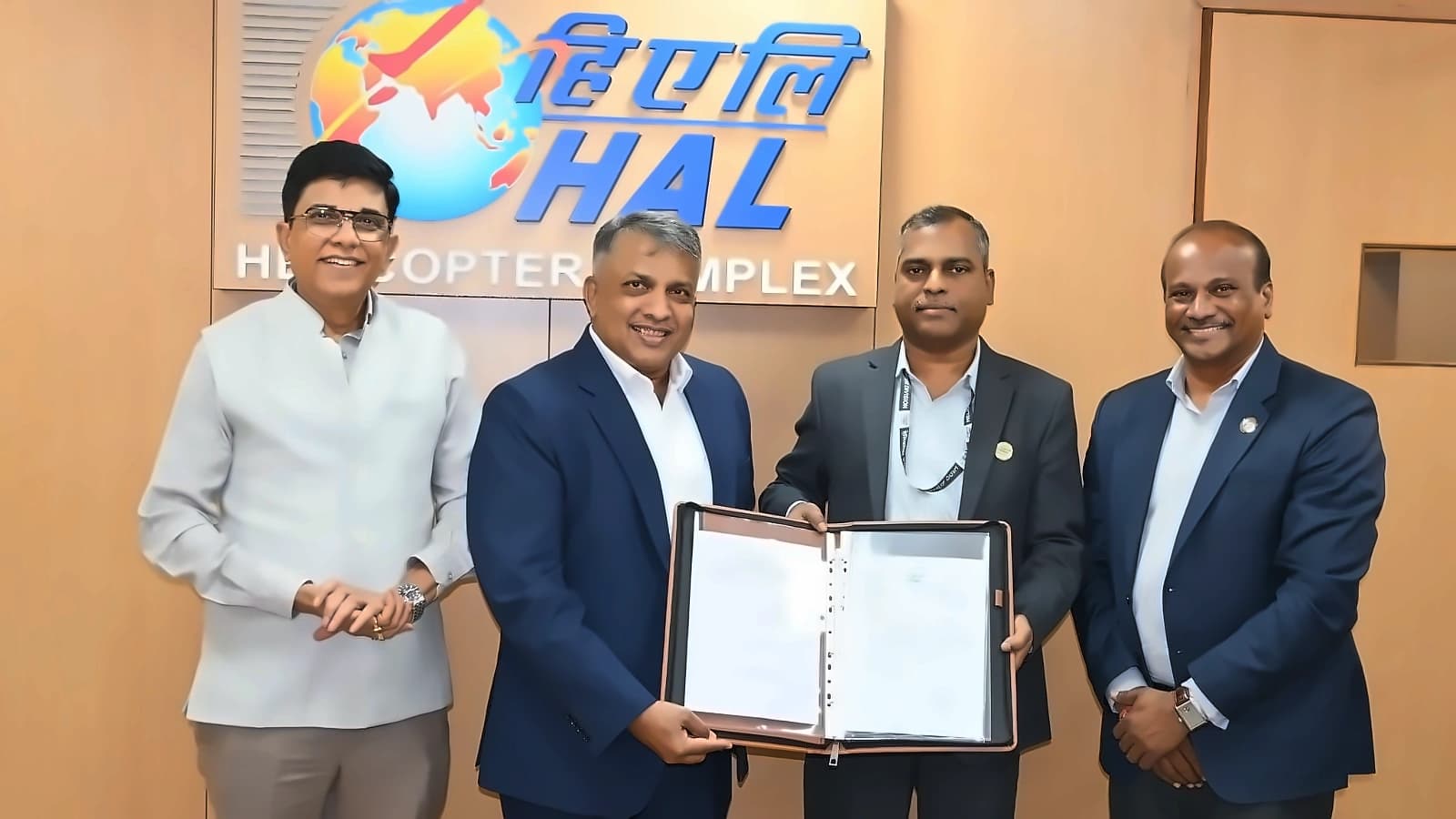
Under this model, Adani Defence manufactures 42 fuselage structures, BEML produces 48, and HAL handles the remaining 66 units internally. Crucially, HAL retains 100% of contract revenue from the MoD, with partners operating as sub-contractors paid by HAL for fuselage production. Transcripts
Fuselage production typically represents 15-25% of total helicopter value, translating to an estimated Rs 9,400-15,700 crore of the contract value. This structure allows HAL to optimize its cost structure while maintaining complete revenue recognition. The partnership model is designed to enhance HAL's 30-31% EBITDA margin guidance through manpower cost optimization and capital efficiency. Transcripts +1
Margin Enhancement Through Strategic Outsourcing
The outsourcing model delivers significant margin improvements compared to vertical integration. HAL avoids substantial labor cost inflation by leveraging partner workforces, while partners invest in specialized manufacturing facilities and equipment that HAL would otherwise need to fund internally. Industry analysis suggests this approach can generate 5-8% gross margin improvement through cost optimization. Transcripts
Transfer pricing arrangements with partners typically follow cost-plus or fixed-price models, with partners earning 20-30% margins on fuselage production. This structure allows HAL to capture the full value of the Rs 62,700 crore contract while optimizing its cost structure. The partnership model also enables HAL to maintain its debt-free status while expanding production capacity—a critical advantage given the company's strong operating cash flow of Rs 10,906 crores [stock_agent].
Overcoming Capacity Constraints Through Collaboration
The partnerships directly address HAL's production capacity constraints. By distributing manufacturing across three entities, HAL achieves parallel production streams that would be impossible through internal expansion alone. The company has already augmented capacity at its new Tumakuru facility with two additional production lines specifically for LCH manufacturing.
This distributed model reduces capital expenditure requirements by approximately 54% compared to self-funded capacity building. While traditional capacity expansion would require Rs 5,800-7,600 crores in facility and equipment investment, the partnership model reduces this to Rs 2,650-3,700 crores. The model also provides working capital optimization of 30-40% as partners bear fuselage-specific inventory costs, estimated at Rs 2,000-3,000 crores. Transcripts
Competitive Positioning in Global Markets
HAL's partnership model creates significant competitive advantages against global helicopter manufacturers. The company achieves 70-80% cost advantages through lower labor costs and optimized supply chains, while maintaining predictable delivery timelines despite global supply chain disruptions that have extended lead times to 24-42 months for competitors.
The strategic rationale for selecting Adani Defence is compelling. As India's largest integrated private defence and aerospace company, Adani brings established capabilities through its strategic partnership with Leonardo for AW169M and AW109 TrekkerM helicopters. This provides HAL with access to advanced helicopter technologies and global best practices while maintaining indigenous control. The partnership also positions HAL to compete more effectively in international markets, with the LCH program targeting over 65% indigenous content involving more than 250 domestic suppliers.
Managing Operational Risks and Quality Assurance
Coordinating production across three entities introduces operational risks that HAL has addressed through comprehensive quality management frameworks. The company maintains multiple quality certifications including AS 9100/9110, CAR-21/CAR-145/CAR-147, AFQMS, and NADCAP accreditation. HAL has also implemented 22 Quality Performance Indexes developed jointly with the IAF and DGAQA for ongoing assessment. AnnualReports +1
The partnership model targets a 50% reduction in defect rates compared to industry averages, with rework costs projected at 4-6% of production costs versus the 8-12% industry standard. Quality control mechanisms include multi-layer inspection systems, statistical process control, and comprehensive non-destructive testing protocols. HAL has established contingency activation protocols with defined response times ranging from immediate intervention for minor delays to strategic crisis management for severe disruptions.
Policy Framework and Future Outlook
The Ministry of Defence's evolving procurement policy strongly favors public-private partnerships. The Defence Acquisition Council has accorded Acceptance of Necessity for DRDO-designed and Indian industry-manufactured systems worth over Rs 6 lakh crore, including the LCH program. The Union Budget 2026-27 allocates a record Rs 7.85 lakh crore to defense, with 75% of the capital acquisition budget earmarked for domestic industry procurement—Rs 1.39 lakh crore flowing to Indian manufacturers.
This policy environment positions HAL to secure similar collaborative contracts for other defense platforms. The company's first-mover advantage in helicopter fuselage partnerships creates barriers to entry for competitors, while the established framework can be replicated across platforms including the Indian Multi-Role Helicopter (IMRH) and Deck-based Multi-Role Helicopter (DBMRH) programs.
The Draft Defence Acquisition Procedure 2026 further strengthens indigenous requirements and places greater emphasis on domestic industry participation. This regulatory evolution, combined with sustained budgetary support and strategic priority alignment, ensures HAL's partnership model will remain central to India's defense manufacturing ecosystem for the foreseeable future.
HAL's strategic partnerships with Adani Defence and BEML represent more than a manufacturing arrangement—they signal a fundamental shift in how India approaches defense production, creating a scalable, cost-competitive model that balances national security priorities with industrial development objectives.