The Regulatory Imperative
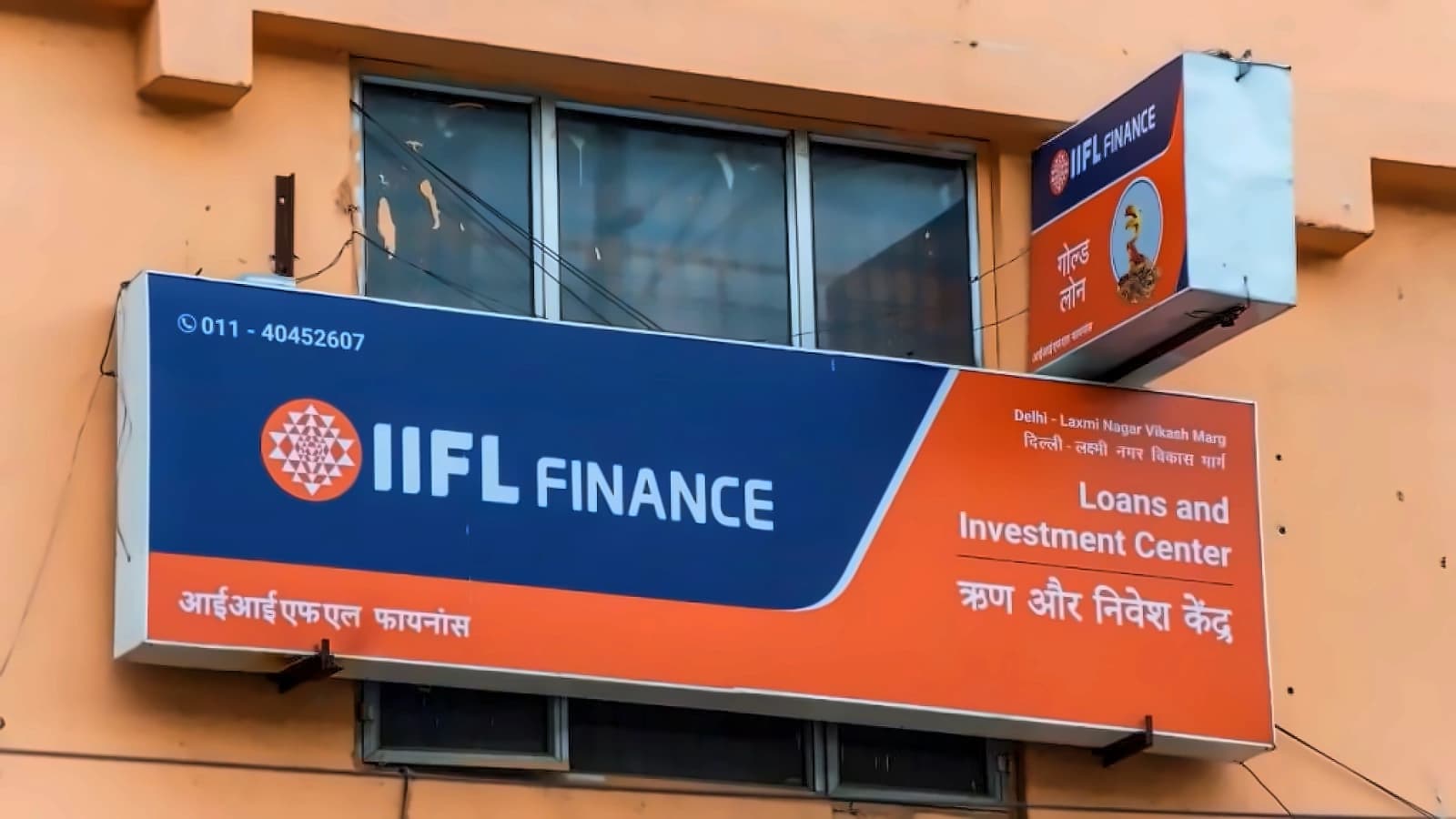
Fairfax Financial Holdings' decision to exit its 15.18% stake in IIFL Finance is fundamentally driven by regulatory necessity. The Canadian investment firm, founded by Prem Watsa, is the frontrunner to acquire a 60.7% controlling stake in IDBI Bank in a landmark $5.5-5.7 billion transaction that would represent the largest foreign investment in India's banking sector. Under Reserve Bank of India rules, an entity cannot own and operate two separate banks simultaneously. Fairfax already holds a 40% stake in CSB Bank, creating a complex regulatory scenario that necessitates consolidation of its Indian financial sector holdings.
While IIFL Finance is an NBFC rather than a bank, Fairfax's broader strategy involves streamlining its Indian investments to meet regulatory expectations post-IDBI Bank acquisition. The Indian government may grant Fairfax up to two years to consolidate its banking holdings, either by selling its CSB Bank stake or merging it with IDBI Bank. However, the IIFL Finance exit appears more urgent given Blackstone's advanced negotiations and the need to free up approximately $440 million in capital for the IDBI Bank transaction.
Portfolio Reallocation Strategy
This reallocation reflects several key considerations. First, banks enjoy structural advantages including lower funding costs through CASA deposits, greater regulatory stability, and more predictable business models compared to NBFCs. Second, the IDBI Bank acquisition provides Fairfax with a nationwide banking network at a time when India's economy remains among the fastest-growing major economies globally. Third, Fairfax is bringing IIFL Capital Services under its wholly owned subsidiary after the IDBI Bank acquisition, separating the capital markets and wealth management business from the lending operations.
The timing is particularly strategic given IIFL Finance's strong operational performance. The NBFC reported a 189.3% year-on-year rise in consolidated net profit to ₹675.1 crore for Q1 FY27, with net interest income growing 54.8% to ₹2,003.9 crore. Assets under management reached ₹1,15,523 crore, up 38% year-on-year, creating an attractive exit opportunity with Blackstone showing interest.
Competitive Dynamics and Valuation Pressures
The IDBI Bank transaction fundamentally alters the competitive landscape for IIFL Finance. A Fairfax-owned IDBI Bank would directly compete across multiple segments, particularly in gold loans where banks have been gaining market share from 30.6% in 2020 to 50.3% in 2025, while NBFCs declined from 69.4% to 49.7%. This competitive threat, combined with Fairfax's strategic focus on banking, likely prompted the exit decision.
Valuation considerations are complex. Fairfax faces time pressure that may reduce negotiation leverage, but Blackstone's strategic interest and IIFL Finance's strong fundamentals support fair market valuation. The stock erased gains of 2.4% to trade 1.2% lower on news of the potential sale, indicating market uncertainty. However, IIFL Finance's market cap of $2.9 billion and strong growth trajectory in gold loans (44% of AUM) and home loans (32% of AUM) provide valuation support.
Blackstone's Strategic Entry
Blackstone Inc. has emerged as a leading potential buyer, with discussions ongoing for acquiring up to 20% stake in IIFL Finance—potentially buying Fairfax's entire 13-15% holding plus an additional 7-10% through preferential issue. This interest reflects Blackstone's broader conviction in India's financial services sector, demonstrated by its $700 million investment for a 9.9% stake in Federal Bank in October 2025.
Blackstone's 20-year presence in India, with leading businesses in Private Equity and Real Estate, provides strategic context. The firm has been a promoter in 11 listed Indian companies and maintains 50+ investee companies with 2.2 lakh employees in India, creating significant network effects. For IIFL Finance, Blackstone's entry would bring enhanced governance credibility, access to global expertise, and potential operational improvements based on the firm's track record of value creation across 260+ global portfolio companies.
Capital Structure and Cost Implications
Fairfax's exit is expected to have limited immediate impact on IIFL Finance's capital adequacy. The company maintains an overall Capital Adequacy Ratio of 18.9% (standalone), well above the 15% regulatory minimum, with Tier 1 CAR at 12.8%. Even with Fairfax's departure, IIFL Finance retains comfortable capital buffers. Blackstone's potential capital infusion through preferential issue could actually enhance lending capacity by ₹5,000-8,000 crore over the medium term.
The cost of capital may experience short-term volatility of 10-25 basis points during the ownership transition, but Blackstone's presence is likely to reduce borrowing costs over time. IIFL Finance's current cost of funds at 9.7% remains higher than comparable peers, and Blackstone's track record of enhancing credit profiles could support rating upgrades and spread compression of 25-50 basis points. The Federal Bank precedent suggests Blackstone's strategic investments create "conviction capital" that strengthens market perception and reduces valuation volatility.
Regulatory and Market Signals
The transaction requires multi-regulatory approval involving RBI, SEBI, and FEMA, with a typical timeline of 3-6 months for NBFC takeover approvals. RBI approval is mandatory for ownership changes exceeding 26% or when there's a change in control or management. SEBI Takeover Code compliance must be assessed, particularly if Blackstone's stake approaches 25% or if board appointment rights trigger "control" under Regulation 4.
Fairfax's exit sends mixed signals about India's shadow banking sector. On one hand, over $11 billion of foreign investment has flowed into India's financial services sector recently, including major bank investments by Emirates NBD (RBL Bank), MUFG (Shriram Finance), and Warburg Pincus (IDFC First Bank). On the other hand, the preference for banking over NBFC investments, escalating regulatory burdens under RBI's Scale-Based Regulation framework, and competitive intensification suggest a maturing sector facing structural challenges.
The transaction represents a strategic pivot rather than a lack of confidence in the sector. Fairfax is reallocating capital toward banking's structural advantages while Blackstone's potential entry reflects selective opportunity in quality NBFCs with strong franchises. The shadow banking sector is likely to experience continued bifurcation between quality, well-regulated players and those facing structural challenges in India's evolving financial landscape.