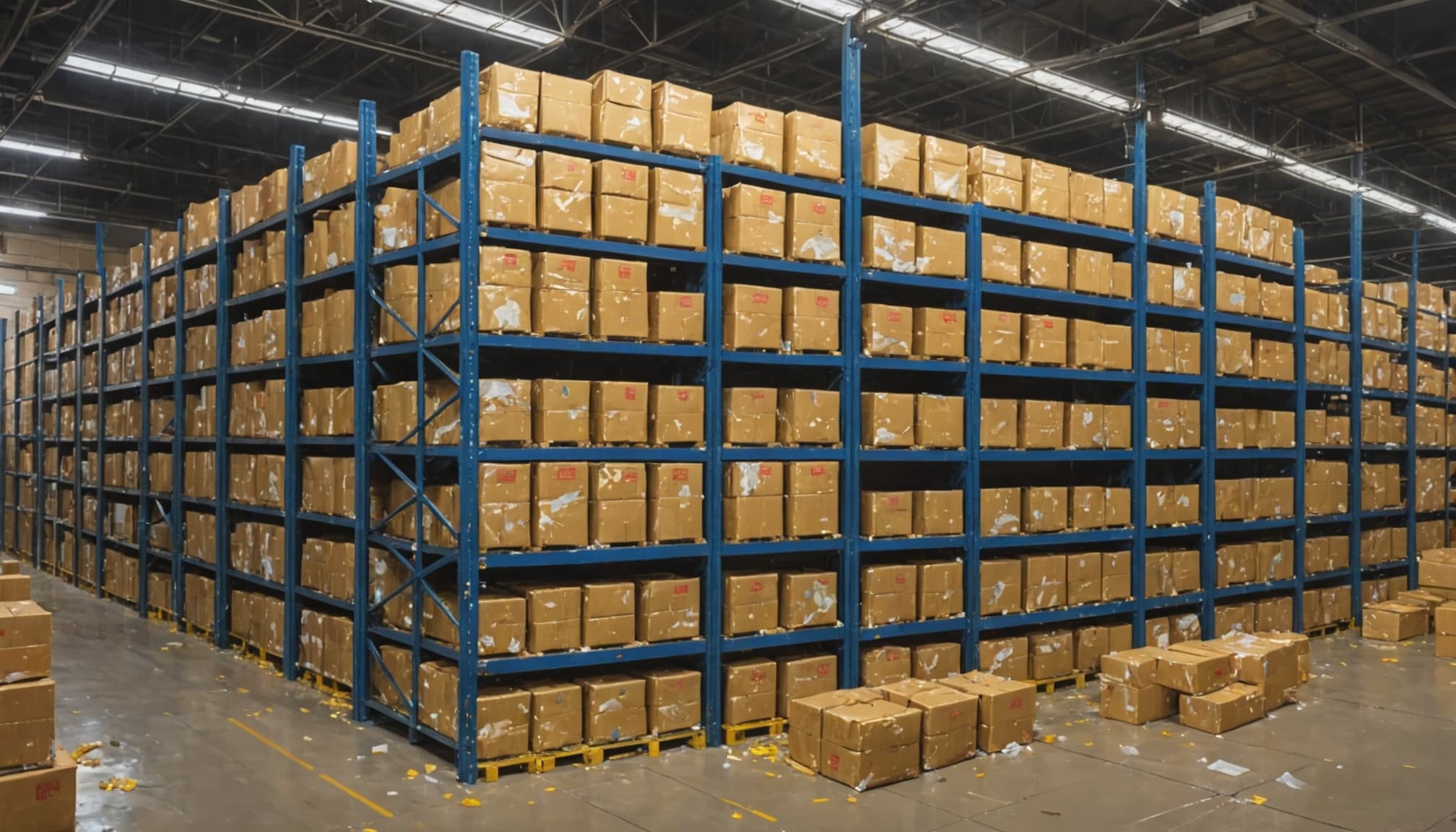
** In a coordinated crackdown across Thane and Pune districts on October 14 and 15, officials seized over 8,392 kg of expired, damaged, and rejected food stock worth Rs 48.09 lakh.
The fallout has been swift: five warehouse licences suspended, four unlicensed premises shut down, and a First Information Report (FIR) filed against ten individuals, including senior officials from Reliance Consumer Products, Reliance Retail, Blinkit, and Zomato Hyperpure.
The Investigation: How the Net Was Cast
This wasn't a routine inspection. The FDA spent nearly two weeks gathering intelligence between September 23 and October 5 before deploying seven teams of assistant commissioners and food safety officers simultaneously across multiple locations. The strategy was simple but effective: hit everywhere at once so there's no time to move stock between sites. The operation covered warehouses, disposal centres, and retail outlets in Bhiwandi, Ambernath, and Pune's Khed taluka.
The trail they followed reads like a detective story. It started at a discount store in Gulzar Nagar, Bhiwandi, where inspectors found 18 types of expired and leaking products on sale. The shop had no licence, no purchase bills, and no inward records. The shopkeeper pointed to his supplier, whose premises in Chavindra yielded another 23 types of expired stock. That trail led investigators to BK Dispose, a disposal yard in Bhiwandi's Khoni and Kamba areas. There, they found expired stock from multiple companies but records were so inadequate that officials couldn't establish when products arrived, how they moved, or whether they were actually destroyed. From there, the investigation moved upstream to the corporate warehouses of Reliance, Blinkit, and Hyperpure.
What Went Wrong at the Warehouses
At Reliance Consumer Products' Vadpe warehouse in Bhiwandi, inspectors recorded around 4,659 kg of expired products worth Rs 3.78 lakh and another 1,414 kg of damaged stock valued at Rs 1.19 lakh. The problem wasn't just the presence of expired stock—it was the paperwork. The FDA cited inconsistencies in disposal documents and missing transport records. There were no vehicle details, no e-way bills, no toll receipts, no GPS records, and no weight receipts to prove the stock had actually left the premises for destruction. At Reliance Retail's adjacent Vadpe facility, 300 kg of expired or damaged stock worth Rs 51,265 was found sitting in a quarantine room. The company couldn't produce the documents required to verify the disposal process, leading to its licence suspension.
The situation at Zomato Hyperpure's Usatane warehouse in Ambernath was even messier. Inspectors found 5,431 products weighing 1,590 kg and valued at Rs 7.80 lakh that were expired, damaged, or rejected. But the hygiene violations were shocking: cockroach and rodent infestations, packets gnawed by rodents or leaking, rodent droppings, and food products stored on the same rack as Ayurvedic medicines. Cold-chain maintenance and vehicle hygiene were also deficient. The company identified Ali Miya Enterprises as its disposal contractor, but invoices showed products were sold at extremely low prices to this firm and another entity called Pan India Grocery Dump in Bengaluru—which investigators initially found didn't appear to exist. Some dispatch documents named the same entity as both sender and receiver, and disposal certificates carried identical dates despite interstate movement.
The Legal Fallout: FIRs and Suspensions
The consequences have been severe. On October 15, following hearings, the FDA suspended the licences of five establishments: Reliance Consumer Products and Reliance Retail facilities at Vadpe in Bhiwandi, a Reliance Retail warehouse at Chakan in Pune, Hyperpure's Usatane facility, and a Blinkit warehouse at Nighoje in Pune. The suspensions are facility-specific, not company-wide, but they disrupt operations nonetheless. Operations at four unlicensed premises were also ordered to cease.
More alarmingly for the companies involved, police registered an FIR at Shanti Nagar police station in Thane against ten individuals. The list includes V Subramaniam, Whole-time Director of Reliance Consumer Products, Ashok Kumar Singh from the same company, Vijay Bhikaji Kharmale, Nominee of Reliance Retail, and Nilesh Ramdasrao Deshmukh, Warehouse Manager at Reliance Retail. From the quick-commerce side, Arbinder Singh Dhinsa, Director of Blinkit Commerce, Deepak Singh of Blinkit Commerce, and Abid Shaikh of Zomato Hyperpure were named, along with disposal agency operators and local suppliers. The FIR was registered under relevant provisions of the Food Safety and Standards Act, 2006, and the Bharatiya Nyaya Sanhita, 2023.
The Bigger Picture: Systemic Weaknesses
This case exposes a weak link in India's urban retail system: the reverse supply chain. When products expire or get rejected, they're supposed to be destroyed through authorised channels. But the FDA's preliminary investigation suggests a different reality: large warehouses hand over this stock to contractors, who pass it to unlicensed sorting yards. There, saleable-looking packets are separated and sold to brokers and retailers, eventually reaching consumers. Each transfer creates a point where accountability blurs, especially when receiving facilities are unlicensed or paperwork doesn't match physical stock.
The Rs 48 lakh seizure is a rounding error. But the reputational risk is real. For Blinkit, this is the second regulatory hit in months—its Malad West dark store faced licence suspension in August over hygiene issues. For Reliance, having a whole-time director named in an FIR is a serious governance matter.
What Happens Next
The allegations are still under investigation, and the companies haven't publicly responded yet. But the precedent is clear. Earlier this year, the FDA suspended Amazon Retail India's Bhiwandi warehouse licence over similar allegations. Amazon challenged the action in the Bombay High Court, which criticised the FDA for "trying to kill a mosquito with a sword" but ordered the company to hand over expired stock for scientific disposal at its own cost. Reliance, Blinkit, and Zomato could follow a similar legal path.
For the industry, this is a wake-up call. The era of treating disposal as a back-office afterthought is over. Companies will likely face increased scrutiny on their vendor onboarding, disposal verification, and downstream monitoring. The Maharashtra FDA, under Commissioner Tukaram Mundhe, has shown it's willing to go after the biggest names. As one report noted, "No company, brand, business or individual is above the law when it comes to food safety". The message is loud and clear: if you're in the food business, you'd better know exactly where your expired products end up.