Brent crude oil has surged to $98.97 per barrel as of July 24, 2026, up 31% over the past month and 44.6% year-on-year. This dramatic price increase has created a stark divergence in India's oil sector. Upstream producers like ONGC and Oil India are rallying, while downstream refiners HPCL, BPCL, and IOC are under severe pressure. The fundamental reason lies in their business models: upstream companies benefit directly from higher prices with stable production costs, while downstream refiners face margin compression as they buy crude at international prices but sell fuel at government-controlled rates.
Revenue Sensitivity vs Margin Compression
When Brent crude rises from $80 to $96 per barrel (a 20% increase), the impact on these companies is fundamentally different. For ONGC, every $1 per barrel change in crude moves revenue net of levies by approximately ₹6,180 crore annually. This translates to roughly ₹98,880 crore in additional revenue from a $16/bbl increase. Production costs remain largely stable, allowing most gains to flow to profitability. In contrast, downstream refiners face margin compression above $70-75 per barrel. When crude prices rise faster than product prices, gross refining margins compress significantly. BPCL management identified the $65-70 range as where margins remain healthy—above this threshold, pressure intensifies sharply.
Q1 FY27: The Perfect Storm for OMCs
The June quarter revealed the severity of this divergence. HPCL reported a consolidated net loss of ₹12,265 crore versus a profit of ₹4,111 crore in Q1 FY26—a 398% decline. BPCL swung from a ₹6,839 crore profit to a ₹1,873 crore loss. Both companies reported strong revenue growth (21% for HPCL, 23% for BPCL), but expenses surged even faster. HPCL's total expenses jumped 42.6% to ₹1,64,044 crore, while BPCL's rose 35.7% to ₹1,66,278 crore. This was driven by average Brent crude prices of $97 per barrel in Q1 FY27—up 25% quarter-on-quarter and 45% year-on-year.
The Price Control Trap
The primary culprit was the government's price control policy. Petrol and diesel prices remained unchanged for nearly two-and-a-half months even as crude crossed $100 per barrel. This created massive under-recoveries. HPCL's cumulative under-recovery on petrol, diesel, and LPG stood at ₹26,000 crore for the quarter. BPCL's LPG under-recovery reached ₹15,803 crore. When the government finally allowed price increases in May—₹7.38 per litre for petrol and ₹7.52 for diesel—they were mathematically insufficient. A 50%+ surge in crude costs cannot be offset by an 8-10% retail price increase, especially with a 2.5-month lag. Even after these hikes, OMCs were losing around ₹550 crore per day.
BPCL vs HPCL: Why the Divergence?
Despite both reporting losses, BPCL outperformed HPCL significantly. BPCL's loss of ₹1,873 crore marked its first quarterly loss since Q2FY23 (15 quarters), while HPCL's ₹12,265 crore loss ended a 14-quarter profit streak. The difference lies in operational efficiency. BPCL's Gross Refining Margin of $41.41/bbl was nearly double HPCL's $23.80/bbl. BPCL also benefited from marketing inventory gains of ₹3,134 crores versus HPCL's inventory losses. Additionally, BPCL's debt position of ₹17,396 crore was far more manageable than HPCL's ₹72,597 crore burden, which surged by ₹25,000 crore in a single quarter due to working capital pressures. InvestorPresentations +2
Beyond Oil: Asian Paints and IndiGo
The crude price surge extends beyond the oil sector. Asian Paints faces margin pressure as crude derivatives account for 55-60% of input costs. Every $1 increase in crude impacts EBITDA margins by 25 basis points if prices aren't raised. The company implemented a 12% price hike in July 2026 to offset surging raw material costs, but competitive intensity from new entrants like Grasim Industries limits pricing power. Volume growth has slowed to modest 4%, indicating demand elasticity concerns.
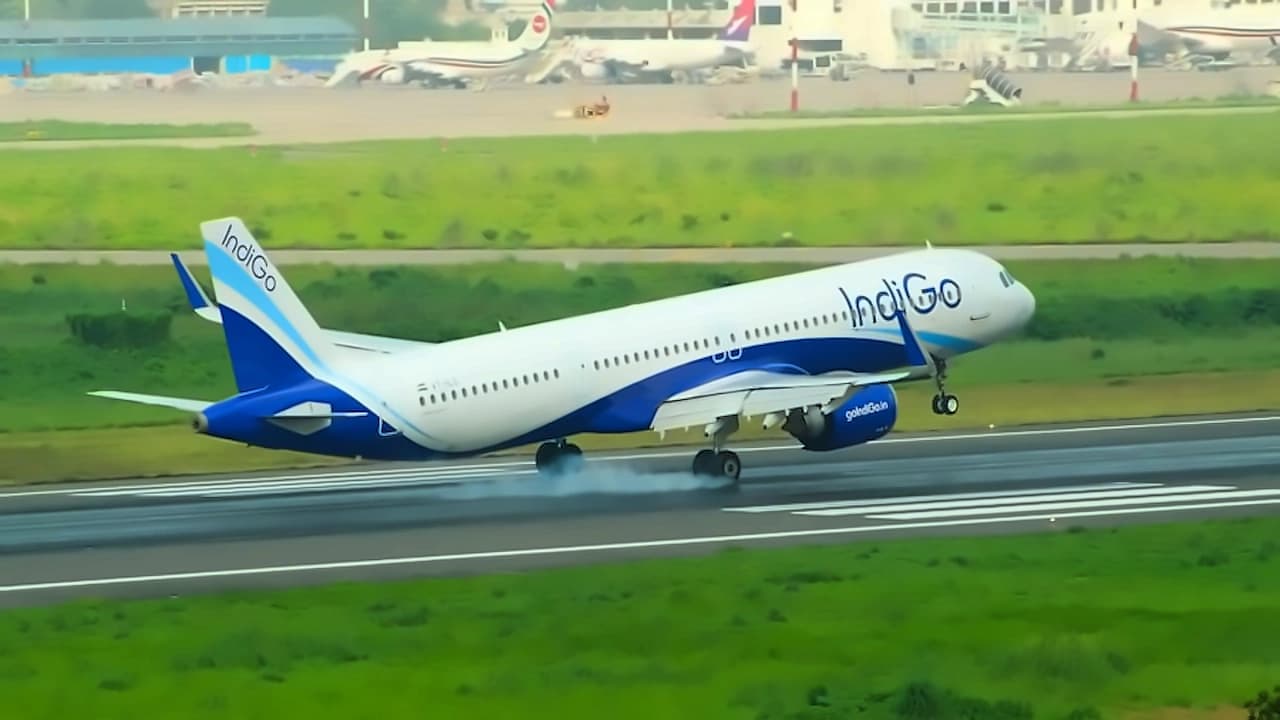
IndiGo (InterGlobe Aviation) faces a different dynamic. Aviation Turbine Fuel (ATF) accounts for 35-40% of operating expenses, rising to 60% during volatility. ATF prices surged over 130% month-on-month in April 2026. However, IndiGo has demonstrated stronger pricing power than OMCs. The airline implemented slab-based fuel charges ranging from ₹275 to ₹950 for domestic routes and up to ₹10,000 for international sectors. This helped achieve 21.3% yield growth in Q1 FY27. The key difference: airlines operate with dynamic pricing models and explicit fuel surcharges, while OMCs face government-controlled retail prices. InvestorPresentations
Geopolitical Tensions Amplify the Divide
Escalating Middle East tensions have intensified this divergence. The US-Israeli airstrikes on Iran, Houthi rebel attacks on oil tankers, and the Strait of Hormuz blockade since February 28, 2026, have created supply disruption fears. For upstream producers, supply constraints drive prices higher, directly benefiting realizations. ONGC and Oil India maintain stable domestic production unaffected by Hormuz disruptions. Their stocks have gained 20.6% and 12.2% year-to-date, respectively.
For downstream refiners, the same supply disruptions create procurement nightmares. India imports 88% of crude requirements, with over half routed through the Strait of Hormuz. Limited crude availability and skyrocketing transportation costs force spot market purchases at premium prices. The government's price controls prevent passing these costs through, creating a structural mismatch. Oil companies have accumulated ₹74,781 crore in losses on fuel sales up to June 30, 2026.
Duration, Intensity, and Government Intervention
The sustainability of these divergent trends depends on conflict duration and intensity. For upstream companies, gains are sustainable as long as prices remain elevated. Production growth provides fundamental support even if prices moderate—ONGC expects 15% growth over 1-3 years, Oil India 25%. The main risk is government windfall tax intervention if prices stay too high.
For downstream refiners, losses persist with geopolitical tensions. The longer the conflict continues, the more under-recoveries accumulate. HPCL's debt surge of ₹25,000 crore in one quarter illustrates the working capital burden. Recovery depends on conflict de-escalation, retail price adjustments, and timely government compensation.
Government interventions play asymmetric roles. Upstream interventions like windfall taxes are revenue-sharing mechanisms that preserve profitability. Downstream interventions like price controls create structural losses that compensation cannot fully offset. India's Strategic Petroleum Reserves (SPR) of 5.33 MMT provide only 5 days of coverage at current filling levels—far below the IEA's 90-day recommendation and inadequate for prolonged disruptions.
The Road Ahead
The current environment highlights a fundamental truth about India's oil sector: upstream producers and downstream refiners operate in different worlds despite being part of the same value chain. As long as geopolitical tensions keep crude elevated and government controls limit retail price adjustments, this divergence will persist. For investors, the choice is clear: upstream offers earnings leverage to higher prices, while downstream faces structural headwinds that only policy reforms or conflict resolution can address.