The ongoing conflict in West Asia has sent shockwaves through India's energy markets, with the Strait of Hormuz—a critical waterway handling nearly one-fifth of global oil trade—facing severe disruptions. This geopolitical turmoil has driven spot LNG prices up over 60% since February, climbing from around $10-11 per mmBtu to nearly $18 per mmBtu by mid-May. For India, which imports about 55% of its crude oil through this route, the impact has been immediate and severe. The rupee has depreciated from around ₹91 to ₹96 against the dollar over four months, making imported LNG even costlier. Input gas costs for city gas distributors have increased by more than ₹10 per kg since February, creating an unsustainable situation that demanded action.
IGL's Four-Tranche Strategy
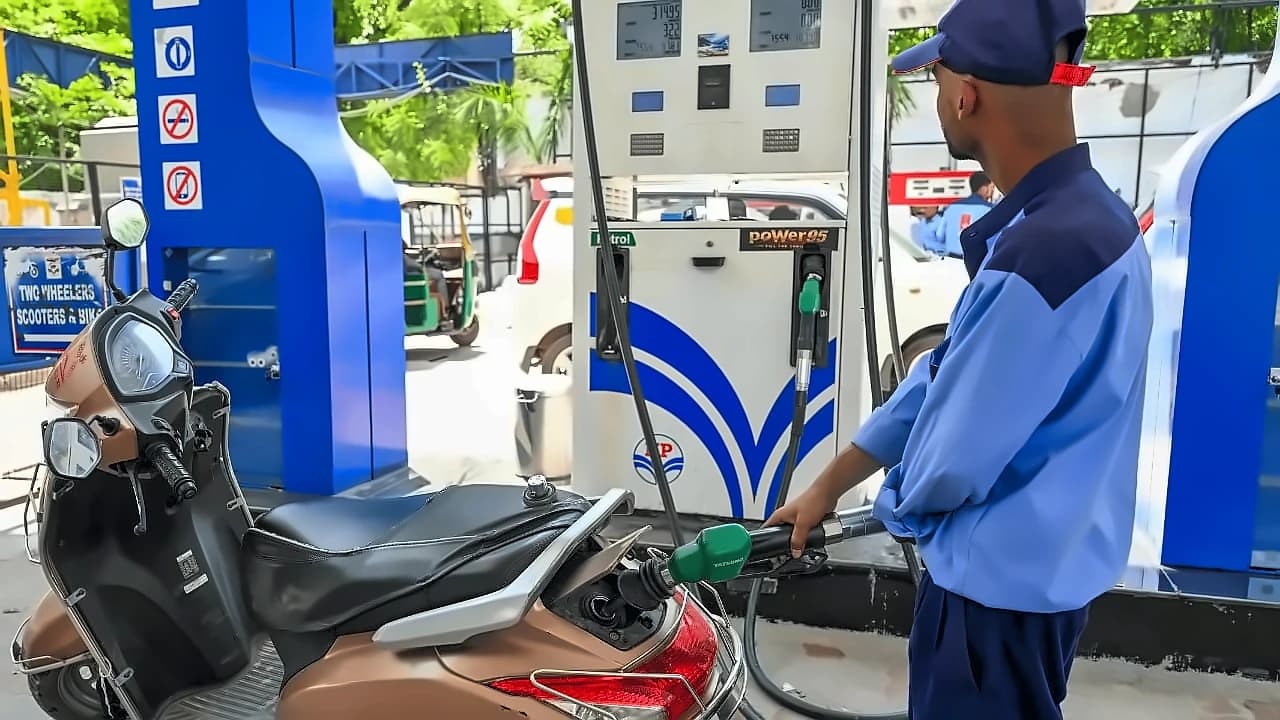
The sequence began with a ₹2 per kg hike on May 15, followed by ₹1 increases on May 17 and May 23, culminating in another ₹2 increase on May 26. This staggered approach pushed Delhi's CNG price from ₹77.09/kg to ₹83.09/kg—the first time it crossed the ₹80 mark. Rather than a single shock adjustment, IGL chose gradual pass-through to monitor demand response and maintain CNG's competitiveness against rising petrol and diesel prices, which also saw multiple hikes totaling nearly ₹7.5 per litre during the same period.
Why Gradual Over Immediate?
Several factors drove IGL's staggered approach. First, the company needed to manage demand elasticity, particularly among price-sensitive auto-rickshaw and commercial vehicle operators that form its core customer base. Second, IGL operates across eight geographical areas with varying state VAT rates and infrastructure costs, requiring region-specific calibration. Third, the company faces competitive pressure from alternative fuels—CNG still offers up to 45% savings in running costs compared to petrol, but that advantage narrows with each increase. Finally, political sensitivity around fuel prices, especially with assembly elections recently concluded, likely influenced the timing and magnitude of adjustments.
MGL's Abrupt Subsidy Removal
Mahanagar Gas Ltd (MGL) took a different but equally decisive approach.
This included withdrawing downstream piping cost absorption and monthly bill subsidies for self-funded installations. The decision reflects similar input cost pressures—MGL faces greater reliance on costly imported LNG due to Mumbai's coastal location and higher local VAT rates compared to Delhi—but manifests as a defensive margin protection move rather than gradual price increases. MGL's action acknowledges that the ongoing geopolitical situation and its impact on global energy supplies have made previous subsidy levels unsustainable.
The Volume vs. Margin Dilemma
Both companies face the fundamental trade-off between protecting gross margins and maintaining market share. IGL's staggered increases aim to balance these competing priorities, allowing the company to partially offset rising input costs while monitoring volume impact. The company has signaled it may need another ₹1 per kg increase to maintain its guidance of ₹7 per standard cubic metre in EBITDA. MGL's subsidy removal represents a more aggressive margin-first strategy, accepting potential volume sacrifices to stop immediate margin erosion. The choice between these approaches depends on customer mix, competitive intensity, and financial strength—IGL targets 20%+ growth in industrial and PNG segments to offset potential CNG declines, while MGL focuses on protecting existing profitability.
Demand Elasticity Concerns
The cumulative ₹6 per kg increase represents approximately 7.8% from pre-hike levels, raising legitimate concerns about volume impact. However, industry research suggests CGD consumers are not particularly price-sensitive once they've made the initial conversion to natural gas. Auto-rickshaw conversion costs range from ₹25,000-50,000, creating strong lock-in effects. Public transport buses and commercial fleets have limited alternatives and are often bound by long-term contracts or regulatory mandates. CRISIL Ratings had earlier projected an 8-10% decline in daily sales volumes due to West Asia conflict impacts, but noted that CNG and domestic PNG segments would remain relatively insulated as their supply is largely met through domestic gas rather than imported LNG.
Commercial Customer Impact
MGL's subsidy discontinuation poses significant retention challenges for commercial customers. Restaurants, hotels, and small businesses that previously benefited from registration charge waivers and infrastructure cost absorption now face higher upfront and operational expenses. This comes at a particularly challenging time—the hospitality sector is already grappling with commercial LPG prices that have risen by over ₹300 per cylinder in two months, reaching ₹2,078.50 for a 19-kg cylinder in Delhi. Restaurant industry associations warn that such cost increases could force menu price hikes of 10-15% and accelerate business closures. For MGL, the immediate effect may be higher average revenue per customer, but the long-term risk includes customer churn and reduced new connection growth.
Regulatory Constraints
The regulatory landscape significantly influences pricing decisions. In a landmark 2015 judgment, the Supreme Court held that the Petroleum and Natural Gas Regulatory Board (PNGRB) has no power to fix or regulate maximum retail prices for CNG and PNG. This gives CGD companies considerable pricing freedom, but PNGRB exercises oversight through consumer protection regulations requiring price display at stations, calibrated equipment, and complaint redressal mechanisms. The central government maintains influence through gas allocation policies—APM gas allocation to CGD entities has been reduced by 15-20% due to declining production from maturing fields, while New Well Gas allocation has shifted to a pro-rata quarterly basis. State governments play a role through VAT policies, which vary from 5% to over 20% across states, creating significant regional price variations.
The Inflation Ripple Effect
The CNG price increases have broader economic implications. Economists estimate a direct inflation impact of about 15 basis points from fuel price hikes, with indirect effects being more significant. For auto-rickshaw operators covering 120-180 km daily, the additional fuel cost translates to ₹124-185 per day, or ₹3,200-4,800 monthly—substantial for operators earning ₹1,000-1,700 in gross daily revenue. Public transport corporations like Delhi Transport Corporation face increased fuel costs that pressure already strained state budgets. The logistics sector, where fuel represents the single largest variable cost, sees immediate operating cost increases that either compress margins or necessitate freight rate adjustments. These costs eventually filter through to food prices, FMCG goods, and other sectors, creating secondary inflationary pressures.
The Competitive Landscape
Despite the price increases, CNG maintains its cost advantage. Petrol in Delhi currently costs ₹102.12 per litre, while CNG at ₹83.09/kg remains roughly ₹18-19 cheaper on a direct price basis. The running cost advantage becomes even more visible when considering per-kilometer economics—CNG vehicles typically deliver lower operating costs than petrol vehicles. However, electric vehicles pose a growing competitive threat, especially in public transport. Delhi's EV policy targets full CNG vehicle transition by 2026, with CNG auto-rickshaws to be phased out by August 2025.
Regional Pricing Dynamics
CNG prices vary significantly across India due to state VAT differences, infrastructure costs, and sourcing strategies.
However, prices in IGL-served territories like Ghaziabad reach ₹101.90/kg—the highest nationally—while Gujarat Gas territories like Dhule offer the lowest at ₹68.90/kg. This 47.9% national price variance reflects the complex interplay of state taxes, transportation costs, and regional supply dynamics. PNGRB has been actively urging states to rationalize VAT to ease these disparities, with Bihar reducing VAT on CNG and PNG from 20% to 12.5% and Chhattisgarh cutting VAT from 14.5% to 5%.
Looking Ahead
The immediate future suggests continued volatility in gas prices as the West Asia conflict persists. Both IGL and MGL have signaled that further adjustments may be necessary if input costs remain elevated. IGL's strategy of diversifying into industrial and PNG segments with 20%+ growth targets reflects a recognition that CNG faces structural headwinds from EV adoption. MGL's subsidy removal indicates a pivot toward margin preservation over aggressive growth. For consumers, particularly in transportation and small business sectors, the coming months will likely bring higher costs that eventually transmit through the broader economy. The challenge for policymakers will be balancing the financial viability of CGD companies with the need to keep essential transportation and cooking fuels affordable for millions of Indians.