The Strategic Rationale Behind a Controlling Stake
A minority position would have left ChrysCapital as a passive investor, unable to drive the strategic restructuring necessary to unlock value. Similarly, a carve-out transaction would have kept the entity tethered to Novartis AG's global priorities, limiting its ability to focus exclusively on the Indian market. Control allows ChrysCapital to implement aggressive operational restructuring, portfolio expansion, and synergy realization across its healthcare ecosystem without promoter constraints. This acquisition, valued at approximately ₹1,446 crore, represents ChrysCapital's first majority-controlled investment in the Indian pharmaceutical sector, signaling strong conviction in the long-term growth potential of India's branded pharmaceuticals market.
For ChrysCapital, this deal provides ownership of established brands like Voveran and Calcium Sandoz, which generate steady cash flows and possess massive distribution reach across India. The firm brings deep healthcare expertise, having made over 10 pharmaceutical sector investments in the last two decades, including Mankind Pharma, Eris Lifesciences, and Intas Pharmaceuticals. This experience, combined with a dedicated operating value creation team called Enhancin, positions ChrysCapital to drive operational improvements and build a leading branded-generics platform for the Indian market.
Novartis AG's Strategic Exit
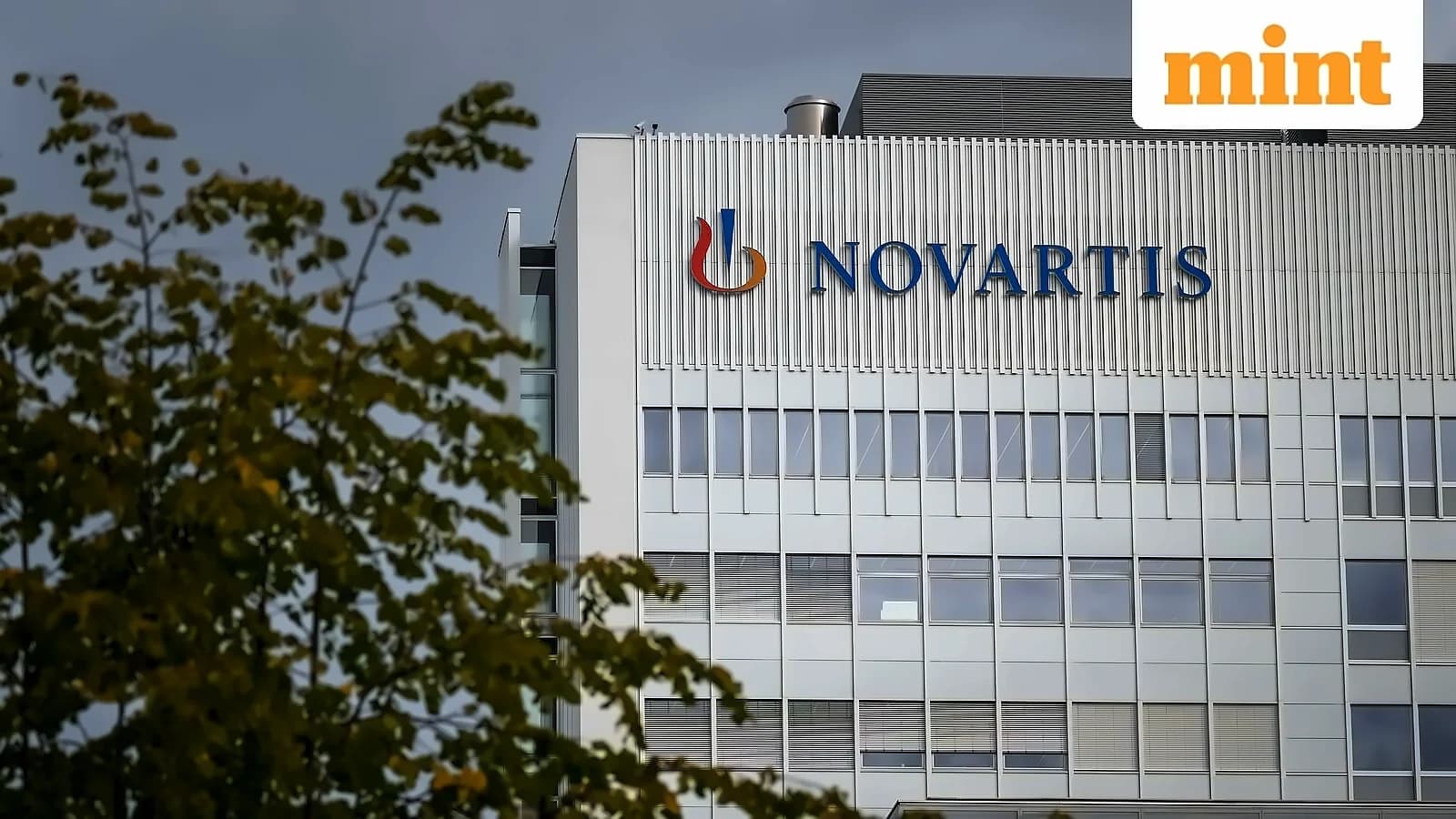
Novartis AG's decision to exit its decades-long promoter era in India aligns with its global strategy to focus exclusively on innovative medicines and simplify its corporate structure. The divestment forms part of a broader trend of global pharmaceutical majors reassessing their India strategies. While Novartis AG exits the listed entity, it maintains a significant presence in India through its separate, unlisted arm, Novartis Healthcare Private Limited (NHPL). NHPL includes the massive corporate center in Hyderabad and the innovative medicines business, which remains the core focus for the Swiss parent.
The transaction allows Novartis AG to redeploy capital toward higher-growth innovative medicines while divesting smaller listed commercial units. For the Indian subsidiary, the timing coincided with a period of short-term transitional volatility, with Q3 FY26 results showing a 36.8% decline in net profit and a 7.6% revenue drop during the parent company's divestment process. However, the underlying business demonstrated a high-margin profile, with a Profit After Tax of ₹100.90 crore on total income of ₹356.27 crore in FY2024–25. The exit represents a clean break that allows the Indian entity to pursue a growth trajectory independent of global strategic priorities that may not align with domestic market opportunities.
Leadership Overhaul and Governance Enhancement
The appointment of Dr. Vikas Gupta as Managing Director and CEO signals a decisive shift toward domestic market expertise. With over 20 years of experience in the Indian pharmaceutical industry, including senior leadership roles at Alkem Laboratories, Cipla, and Glenmark Pharmaceuticals, Dr. Gupta brings deep understanding of the branded formulations market. His background combines financial discipline from his time at PricewaterhouseCoopers with proven capabilities in driving large-scale business transformation. This expertise is critical for executing the operational improvements necessary to accelerate growth and expand margins. Others +2
Simultaneously, the induction of independent directors Ramesh Ramadurai (Chairperson), Suchita Sharma, and Shashank Sinha strengthens governance and provides strategic oversight. Ramadurai, former Managing Director of 3M India, brings transformational growth leadership and commercial excellence expertise. Sinha, former Managing Director & Group CEO of Strides Pharma Science Ltd, adds deep pharmaceutical industry experience and risk management capabilities. This board restructure, which follows the resignation of six outgoing directors including the former chairperson and CFO, creates a governance framework that balances strategic autonomy with robust oversight. The independent directors' diverse backgrounds in manufacturing, healthcare, and corporate governance provide multi-dimensional perspectives essential for guiding the company's transformation.
Corporate Identity and Strategic Independence
The adoption of a new corporate identity and separation from Novartis AG is not merely cosmetic—it is fundamental to establishing Novartis India as an independent growth platform. The company will change its name and remove "Novartis" references within 120 days of closing, subject to regulatory approvals. This rebranding establishes market positioning as an independent Indian pharmaceutical entity rather than an MNC subsidiary, enabling focused strategic priorities without global parent company constraints.
Strategic autonomy brings several advantages. It allows for flexible portfolio decisions without global constraints, independent resource allocation tailored to Indian market opportunities, and autonomous M&A capability for bolt-on acquisitions. The corporate rebranding also builds a distinct identity that can drive demand, loyalty, and retention in the domestic market. As the pharmaceutical industry evolves from "Make in India" to "Develop in India," focusing on complex generics and specialty medicines, an independent identity allows the company to position itself as a domestic champion rather than a foreign subsidiary. This separation is particularly important for physician relationships and patient perception, as the company transitions from being viewed as part of a global multinational to an Indian healthcare company focused on domestic needs.
Legacy Brands as Competitive Foundation
Novartis India's portfolio of legacy brands provides a formidable competitive foundation across key therapeutic areas. Voveran, the flagship brand in pain management, has demonstrated strong market performance with 6% internal growth in FY25 and a 2.9% market share gain between February 2023 and October 2022. The brand commands deep-rooted market presence and strong trust among healthcare providers. Calcium Sandoz operates in the calcium supplementation market, which is projected to grow from USD 291 million in 2023 to USD 508 million by 2032 at a CAGR of 6.28%. Tegrital (carbamazepine) leads in neurosciences, with the India carbamazepine market expected to grow at a CAGR of 15.84% through 2030. AnnualReports +2
The transplant immunology portfolio, including brands like Simulect, Certican, Sandimmun, Neoral, and Myfortic, achieved 11% growth in FY24 and 23% growth in FY23. This performance is particularly impressive given the highly cluttered genericized market, demonstrating the effectiveness of focused brand campaigns. The overall portfolio registered 10% growth over FY 2023–24, validating the effectiveness of the company's focused strategy. These brands provide annuity-like revenue streams with strong physician loyalty, creating a stable foundation upon which ChrysCapital and Dr. Gupta can build expansion initiatives. AnnualReports +2
Operational Levers for Value Creation
The market has responded positively to the transformation potential, with the share price increasing approximately 3% to ₹1,650 following the acquisition announcement. The stock has gained 58% year-to-date, reflecting strong investor confidence in value creation prospects. ChrysCapital and Dr. Gupta are expected to prioritize several key operational levers to deliver long-term value. Margin expansion is a primary focus, with current operating margins of 25.66% offering room to reach 30–35% through operational excellence. Branded generics typically generate 20–40% operating margins, providing significant upside potential.
Revenue growth acceleration is equally critical. The current revenue growth of 6.3% is targeted to reach 12–15% through portfolio expansion and market penetration. Geographic expansion beyond current markets, leveraging the existing Dr. Reddy's distribution partnership that reaches 113,000 healthcare professionals and 80,000 retail outlets, will be a key driver. Therapeutic area expansion into adjacent high-growth segments, particularly chronic therapies in cardiovascular, anti-diabetes, and neurosciences, will further diversify and strengthen the portfolio. AnnualReports +2
The transition from Novartis AG subsidiary to independent entity will significantly impact the cost structure.
Corporate structure simplification will reduce headcount and administrative costs through elimination of redundant reporting and compliance functions. Procurement independence will enable direct supplier relationships, eliminating parent company markups. Capital allocation will shift from MNC constraints to value-maximizing investments, with working capital optimization and strategic capital expenditures prioritized based on Indian market opportunities rather than global mandates.
The Path Forward
The combination of established brand equity, enhanced management capabilities, and strategic independence creates a powerful platform for value creation. ChrysCapital's healthcare expertise, Dr. Gupta's domestic market experience, and the strong foundation provided by legacy brands position Novartis India to capture significant opportunities in India's pharmaceutical market, which is projected to reach $130 billion by 2030. The transition from MNC subsidiary to independent growth platform represents a fundamental shift that will enable the company to pursue aggressive growth strategies, optimize operations, and build sustainable competitive advantages in the domestic branded formulations market.
As the company completes its leadership transition and operational restructuring under new ownership, the focus will shift to execution of the growth strategy. The appointment of experienced executives from major Indian pharmaceutical firms signals a strategy to leverage domestic market expertise for future growth. With the resources and focus provided by ChrysCapital's backing, Novartis India is well-positioned to grow its portfolio with purpose, reach more patients, and build on what the organization has always stood for—scientific rigor and physician trust. The transformation journey has begun, and the market will be watching closely to see if the ambitious value creation plans materialize into sustained financial performance and market leadership. Others