The Court's Verdict
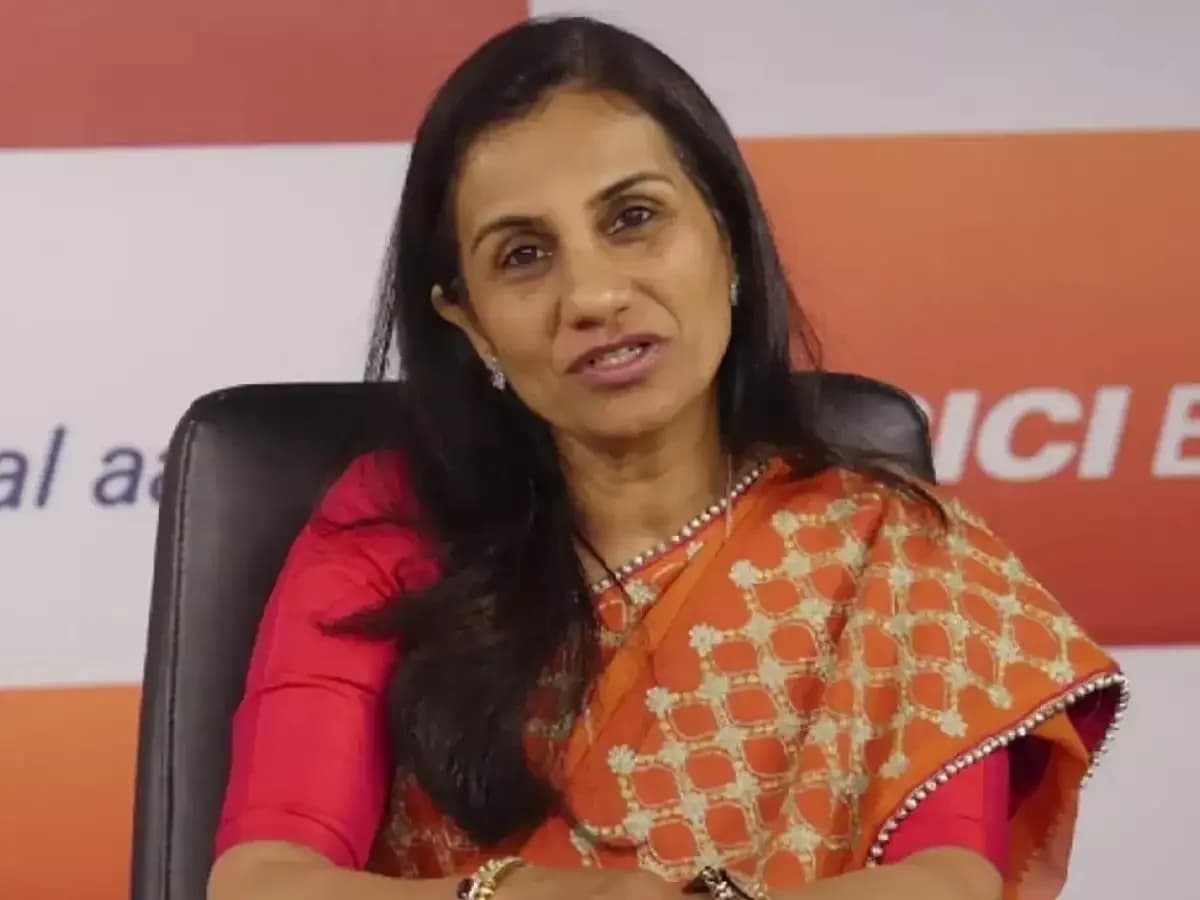
The Bombay High Court on 18 November 2026 quashed the sanction granted by ICICI Bank to the Central Bureau of Investigation (CBI) to prosecute its former Managing Director and CEO, Chanda Kochhar, in the alleged Videocon loan fraud case. A single-judge bench of Justice Milind N. Jadhav held that the 15 May 2023 sanction order was illegal and unsustainable in law. The court ruled that the authority granting the sanction was not competent and had "completely failed to apply its mind" to the material placed before it.
Crucially, the court observed that the Reserve Bank of India (RBI) is the sole competent authority under law to remove the head of a banking company and grant prosecution sanction under Section 19 of the Prevention of Corruption Act, 1988. Consequently, the court also quashed all consequential actions taken by the Special Court for the CBI against Kochhar in the corruption case. The CBI had sought an eight-week stay on the order to challenge it, but the High Court declined the request.
The "No Loss" Contradiction
A key argument in Kochhar's petition was the apparent contradiction in ICICI Bank's position. Through senior advocate Amit Desai, she contended that the sanction under Section 19 contradicted the bank's earlier stand that it suffered no loss from loans sanctioned between June 2009 and October 2011, and that these loans were in accordance with policies prevailing at the time.
Reports indicate that in July 2021, while granting sanction to prosecute, ICICI Bank told the CBI that "the loans under probe were extinguished and no wrongful loss has been caused to the bank". This letter stated that due process was followed while granting loans, but the bank was granting sanction "considering the allegations of bribery and corruption". The court's reported grounds for quashing the sanction were non-competence and non-application of mind, rather than a direct ruling on this contradiction. However, the contradiction remains a significant point of contention that the defence can leverage to attack the CBI's allegation of "wrongful loss" to the bank.
Why the CBI Began Investigating
The CBI's investigation traces back to media reports and complaints that emerged in early 2018. The agency registered a preliminary enquiry after reports suggested that Venugopal Dhoot of Videocon Group had paid crores to a firm allegedly set up with Deepak Kochhar and two relatives, about six months after Videocon received a Rs 3,250 crore loan from ICICI Bank in 2012. The CBI also received a complaint alleging that this loan violated banking norms and RBI guidelines.
The investigation focused on six high-value loans worth around Rs 1,575 crore sanctioned to five Videocon Group firms between June 2009 and October 2011. The CBI alleged these loans were granted in contravention of the rules and policy of the sanctioning committee. A specific allegation involved a Rs 300 crore loan to Videocon International Electronics Ltd (VIEL) in August 2009. The CBI claimed that the very next day, Rs 64 crore was transferred from Videocon to NuPower Renewables, a company linked to Deepak Kochhar, as a quid pro quo.
Governance Failures and the Road to NPAs
The CBI's FIR and subsequent chargesheet paint a picture of governance lapses. The loans were sanctioned by various committees, with Chanda Kochhar serving as a member. The Justice B.N. Srikrishna Committee, appointed by ICICI Bank in 2018 to probe the matter, found that Kochhar violated the bank's Code of Conduct and its framework for dealing with conflict of interest. The report noted her lack of diligence regarding annual disclosures, which rendered the bank's processes ineffective.
The alleged causal mechanism for the loss involves the refinancing of these loans. In 2012, the outstanding dues of six Videocon accounts were adjusted into a fresh Rs 1,730 crore term loan. The CBI alleges this refinanced loan became a non-performing asset (NPA), with an outstanding amount of Rs 1,033 crore, causing a loss to the bank. ICICI Bank had stated in 2018 that the Videocon group account was classified as an NPA during 2017.
However, the causal link is contested. The Enforcement Directorate's adjudicating authority observed in 2020 that the Rs 300 crore VIEL loan was repaid and never declared an NPA, implying no loss on that specific loan. The defence argues the Rs 64 crore payment was an equity investment within the Dhoot group, not a reciprocal benefit.
Impact on ICICI Bank and Future Outlook
The quashing of the sanction complicates the CBI's corruption case, as Section 19 sanction is mandatory for prosecuting a bank employee deemed a public servant. Without a valid sanction, the court cannot take cognisance of the corruption charges. The CBI could challenge the order or seek a fresh sanction from the competent authority, potentially the RBI.
For ICICI Bank, the ruling does not directly affect its civil claims or other regulatory actions. The bank had already treated Kochhar's exit as a "termination for cause" in 2019 and initiated proceedings to claw back bonuses and stock options paid from April 2009 to March 2018. The Supreme Court has declined to interfere with the High Court's refusal to grant Kochhar interim relief on retirement benefits.
The reputational impact is nuanced. While the court criticised the sanction process, it did not rule on the merits of the loan allegations. The bank's shifting stance—from an initial clean chit to sanctioning prosecution—has drawn scrutiny, but the court's finding was primarily about procedural competence. ICICI Bank's stock showed no significant reaction to the news, closing marginally higher on the day.
Looking ahead, the ruling may prompt banks to route prosecution sanctions for top executives through the RBI to ensure procedural robustness. It also underscores the importance of rigorous conflict-of-interest disclosures and independent committee processes in credit approvals. The final outcome will depend on the CBI's next legal move and the detailed reasoning in the court's written order.