May 2026 has witnessed a remarkable resurgence in block deal activity, with proceeds reaching Rs 20,000 crore ($2.1 billion)—the highest this year. This surge signals a potential revival in India's equity capital markets after a sluggish start to 2026, with at least half a dozen block trades executed in the past week alone. The momentum comes against a backdrop of weak IPO fundraising (less than $3.5 billion raised in 2026 versus $20 billion+ in each of the previous two record-setting years) and significant market underperformance, with the BSE Sensex declining 12.5% and NIFTY 50 down approximately 10.6% in calendar year 2026.
Adani Group: Risk Perception Reset
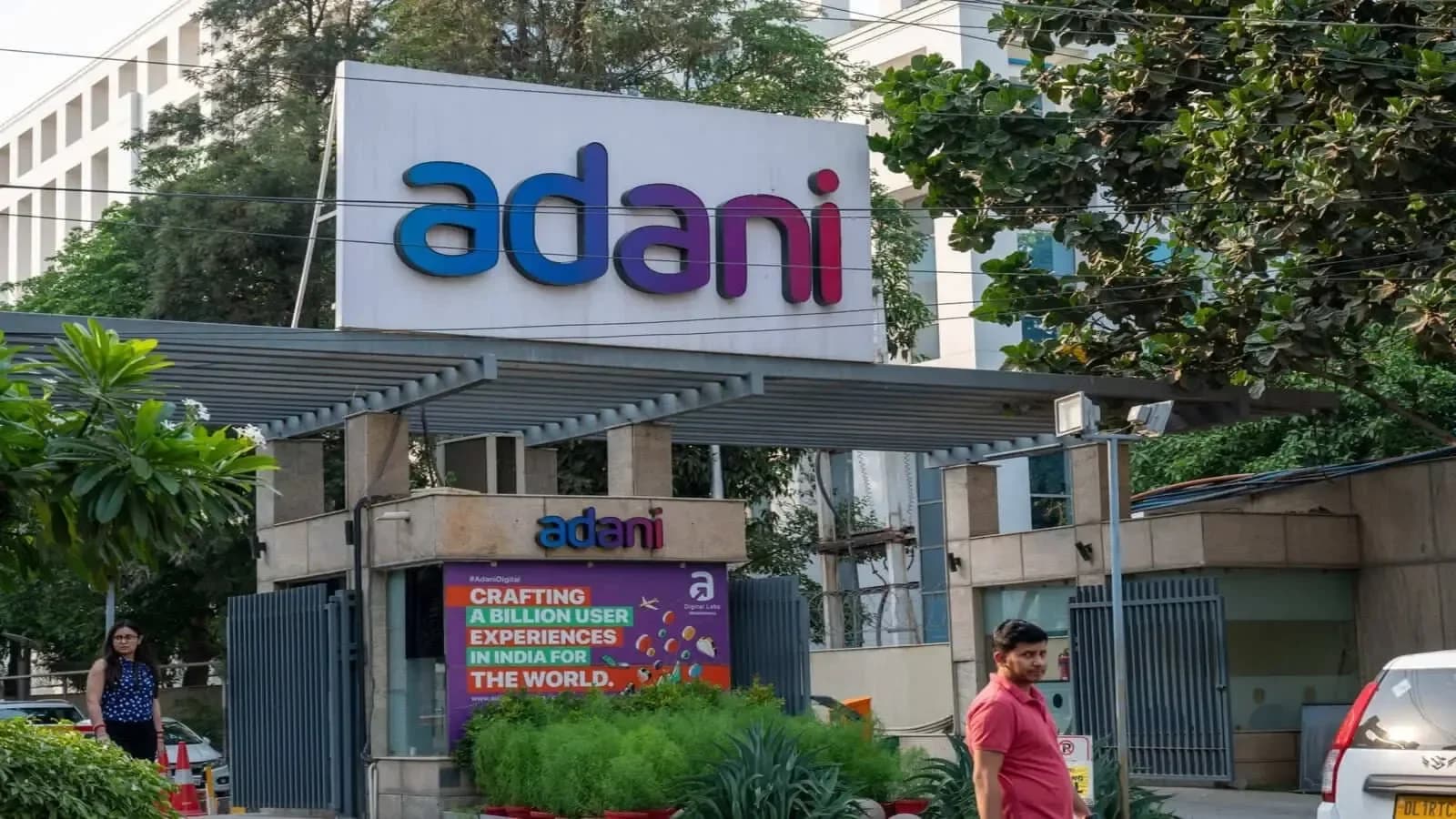
The $782 million stake sale in Adani Ports and Special Economic Zone by Worldwide Emerging Market Holding Ltd. represents more than just a transaction—it signals a fundamental shift in risk perceptions for the Adani group.
This normalization of risk perceptions comes despite previous volatility concerns and suggests that investors are differentiating between business quality and group reputation, with liquidity flowing toward fundamentally strong companies regardless of sector vintage.
Adani Enterprises witnessed its own block deal moment, with 5.89 million shares worth Rs 1,435 crore changing hands at Rs 2,435.6 per share. The stock hit a 52-week high following this transaction, indicating pricing resilience despite broader market weakness. The successful execution at strong prices suggests changing risk perceptions for Adani Group conglomerates, with institutional investors willing to maintain positions in complex business models during market corrections.
Fintech Valuation Benchmarks
The $574 million block trade in Groww (parent: Billionbrains Garage Ventures) provides crucial insights into valuation expectations for fintech platforms.
This pricing established a market-clearing balance between seller urgency and buyer value perception. The inclusion of a 90-day lock-in period on further share sales by participating investors provided additional confidence, signaling that buyers were focused on medium-term prospects rather than short-term trading opportunities.
Groww's strong fundamentals justified the valuation interest. The company reported a 122% year-on-year jump in fourth-quarter net profit to Rs 686 crore, with total income rising 8% to Rs 1,536 crore. As India's largest stockbroker by active investors with 12.6 million active clients and approximately 26% market share, Groww demonstrated that profitable, market-leading fintech platforms can command premium valuations even during broader market corrections.
Institutional Flow Dynamics
The mix of domestic and foreign institutional investors in block trades reveals crucial liquidity preferences. Despite overall FII outflows of Rs 21,469 crore in May 2026 (totaling Rs 2.6 lakh crore in 2026), foreign investors participated selectively in block deals, indicating appetite for quality assets.
This DII dominance has provided crucial market support, comfortably exceeding FII outflows.
Axis Bank block trades, including 6.15 million shares changing hands, demonstrated this institutional mix. The bank's shareholding pattern as of March 2026 shows promoters holding 8.14%, FII/FPI at 42.04% (decreased from 42.58%), and mutual funds at 34.11% (increased from 33.48%). This shift toward domestic mutual fund holding reflects broader trends of DII support during FII withdrawal periods.
Market Underperformance Impact
The significant market underperformance in 2026 has created both challenges and opportunities for block deal execution. The Sensex and NIFTY declines have reduced overall liquidity, making large block deals more challenging to execute. However, this environment has also created opportunities for strategic positioning by institutional investors. The counter-cyclical nature of block deal volumes—surging during market weakness—suggests that smart money is actively finding value amid the correction.
Block deals must be executed within a price range of ±1% of the prevailing market price, creating constraints during volatile periods. However, quality assets have demonstrated pricing resilience. Adani Ports and Special Economic Zone, trading near its 52-week high of Rs 1,792 with strong year-to-date performance of +29.83%, showed that infrastructure assets could command premium pricing. Adani Enterprises delivered solid returns of +13.92% YTD, while Axis Bank showed more modest performance of +4.99%, reflecting sector-specific dynamics.
Liquidity and Volatility Dynamics
The relationship between block deal volumes and benchmark index performance exhibits a counter-cyclical pattern. The surge in block deal volumes during market weakness suggests institutional bottom-fishing and positioning for potential recovery. This pattern aligns with theoretical frameworks like the Mixture of Distribution Hypothesis, which suggests that trading volume and volatility respond to the same latent information flow. The arrival of unexpected information leads to price changes and increased trading activity, with high trading volumes during market stress reflecting information processing and repositioning.
Current trading volumes for these stocks are extremely low—Adani Ports at -99.26% below its 1-month average, Adani Enterprises at -98.98% below, and Axis Bank at -99.93% below. This low volume environment increases volatility sensitivity to large trades, making structured block deal execution particularly valuable for preventing sharp price movements. Research shows a positive relationship between trading volume and volatility in most markets, including India, suggesting that the current low volumes could lead to elevated volatility if not managed through structured transactions.
IPO Pipeline Catalyst
The successful absorption of large block deals is playing a crucial role in rebuilding investor confidence and establishing valuation benchmarks for upcoming IPOs. The pipeline for the rest of 2026 includes several highly anticipated listings such as Reliance Industries Ltd.'s telecom unit Jio Platforms Ltd., National Stock Exchange Ltd., SBI Funds Management Ltd., and Manipal Health Enterprises Pvt., which could raise between $1 billion and $4 billion each. About 157 companies have already received regulatory approval for IPOs, while another 65 have filed their prospectuses.
The 23x subscription of Bagmane Prime Office REIT's $360 million IPO complements block deal activity in signaling broader market recovery. While block trades primarily reflect institutional confidence, the strong IPO subscription demonstrates retail investor participation, creating a comprehensive confidence signal across investor categories. This combination suggests that Indian capital markets are transitioning from the uncertainty phase of early 2026 toward a more normalized environment where both primary and secondary market activity can flourish.
Looking Ahead
If sustained, the recovery in block trades could mark the early stages of a broader revival in India's capital markets. Block trades are often seen as a leading indicator of broader recovery in deal activity, playing a crucial role in price discovery and helping rebuild investor confidence after periods of uncertainty. The current momentum, with Rs 20,000 crore in monthly block trade proceeds, suggests that institutional investors are using this period to strategically reposition portfolios, creating a foundation for IPO pipeline activation and broader market recovery in the coming months.