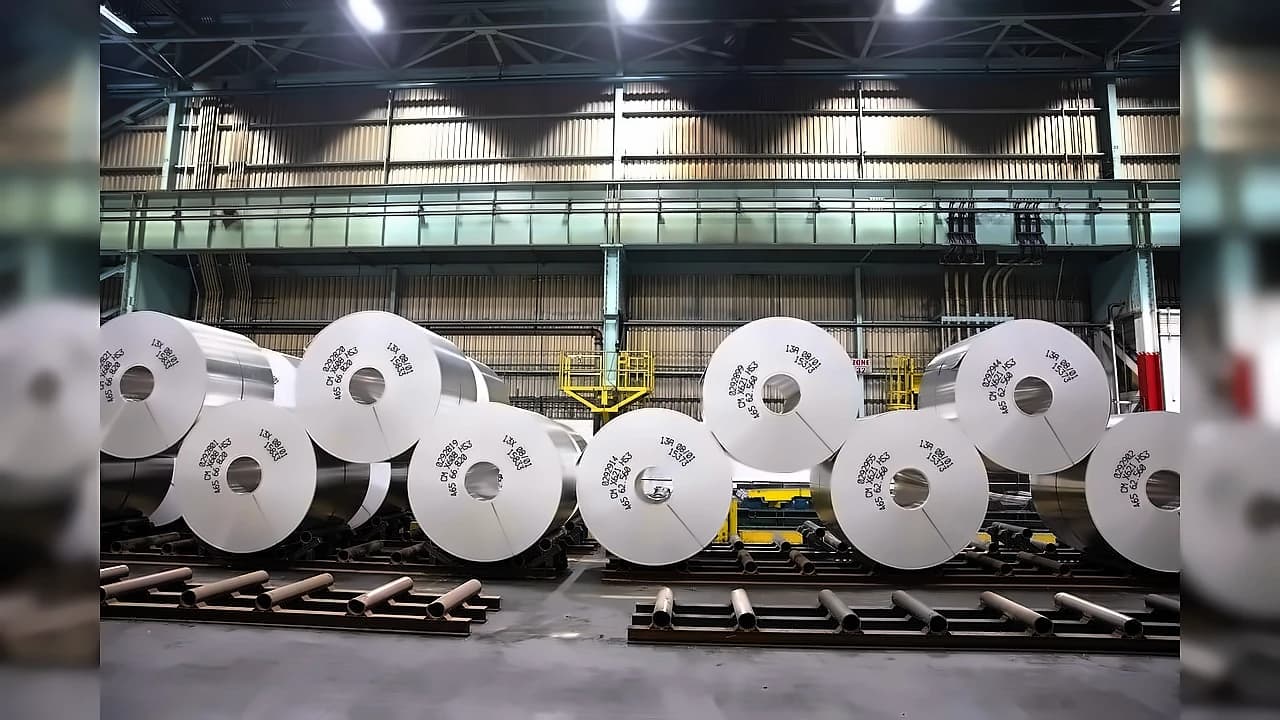
On August 11, 2026, Norsk Hydro ASA announced that its Alunorte alumina refinery in Brazil—the world's largest with 6.3 million metric tons of annual capacity—would cut production to 50% due to disruptions in natural gas supply from CELBA, part of New Fortress Group. This immediately removed approximately 3.15 million tonnes of alumina from global supply. Since roughly two tons of alumina are needed to produce one ton of aluminium metal, this disruption effectively constrains aluminium production capacity by about 1.575 million tons globally.
The causal chain is straightforward: CELBA's gas supply disruption forced Alunorte to implement contingency measures including purchasing spot gas volumes, requesting direct access to the Barcarena LNG receiving terminal, and temporarily reducing alumina production to align with available gas. The result was an immediate 2% surge in benchmark three-month aluminium prices on the London Metal Exchange to $3,382.50 per ton—the highest level since June 22, 2026.
Norsk Hydro estimates the potential Q3 2026 financial impact at $75-100 million for its Bauxite & Alumina business, reflecting both lower alumina production and purchasing gas above contract prices. This manageable impact figure suggests a disruption duration of 2-4 months rather than a prolonged crisis, with production normalization expected by Q1 2027.
NALCO: The Structural Alumina Surplus Play
National Aluminium Company Limited (NALCO) operates with a unique structural advantage that makes it the primary beneficiary of this supply shock.
This creates an alumina self-sufficiency ratio of 247%—NALCO produces nearly 2.5 times more alumina than it needs for its own aluminium production.
With approximately 1.355 million tonnes of surplus alumina available for export, NALCO captures disproportionate margin expansion from both aluminium and alumina price increases. The company is already the lowest cost producer of alumina globally, and its 100% capacity utilization at the smelter (actually operating at 103%) means it benefits fully from higher aluminium realisations without needing to ramp up production.
The market recognized this leverage immediately, sending NALCO's stock up 8.8% on August 12, 2026—the strongest reaction among Indian producers. For every $100 per tonne sustained increase in aluminium prices, NALCO's net profit could rise by approximately 45.7%, or about ₹2,656 crore annually. This exceptional earnings sensitivity, combined with zero debt (debt-equity ratio of 0.01) and government backing, justifies the premium valuation.
Hindalco: Integration as a Protective Moat
Hindalco Industries tells a different story. The company operates across the complete aluminium value chain with four integrated segments: Aluminium Upstream (bauxite mining, alumina refining, smelting), Aluminium Downstream (value-added products), Novelis (global aluminium rolling and recycling), and Copper. This diversification provides natural hedges against input cost volatility.
In FY27 Q1, Novelis contributed 63.87% of revenue, while Aluminium Upstream accounted for just 15.63%. This business mix explains Hindalco's more modest 3.7% stock gain despite being fully integrated. The company captures upstream aluminium price benefits through its 1.34 million MTPA aluminium capacity, but downstream operations provide earnings stability that dilutes the immediate impact of price spikes.
Hindalco's full integration eliminates alumina cost pressure trade-offs—the company's captive bauxite mines and alumina refineries ensure it's not exposed to spot market purchases. However, its earnings sensitivity to aluminium prices is lower at approximately 9.8% net profit increase per $100 per tonne price rise, reflecting the diversified revenue mix. The company is expanding its Aditya smelter by 360,000 TPA with commissioning expected in FY29, but near-term production flexibility is limited at 97% capacity utilization.
Vedanta Aluminium: High Leverage, Execution Risk
Vedanta Aluminium presents the most complex picture. As India's largest aluminium producer with 2.37 million tonnes of output in FY24, the company has significant operational leverage. Q1 FY27 results were exceptional—revenue of ₹21,105 crore (+45% YoY), net profit of ₹6,597 crore (+205% YoY), and EBITDA margin expanding to 50%. The company achieved record aluminium production of 632 KT and value-added products of 389 KT.
Yet the stock gained only 2.9%, the weakest reaction among the three.
Concerns include an extremely high PBV ratio of 464.0, low current ratio of 0.27, and 56.38% of shares encumbered via a $2.25 billion facility agreement.
Vedanta is pursuing an aggressive expansion plan to double capacity from ~3 MTPA to 6 MTPA within 3.5 years, centered on a new 3 MTPA mega smelter at Dhenkanal and expanding the Lanjigarh refinery to 6 MTPA. The company targets cost reduction to $1,550-1,600 per tonne from current $1,700-1,750 through 100% vertical integration. However, execution risk on this timeline and balance sheet concerns create a significant risk discount.
The Price Window and Strategic Implications
The Alunorte disruption creates a supply-constrained environment expected to persist for 6-9 months, with peak prices of $3,300-3,400 per tonne likely in the 2-3 month period following the announcement. Gradual normalization begins as Alunorte ramps up production, but structural market tightness—including China's 45 million tonne capacity cap, low global inventories, and Middle East supply disruptions—provides support even during normalization.
Critically, Indian producers have limited near-term ability to significantly increase aluminium production to capitalize on this supply-driven price spike. NALCO is constrained at 103% capacity, Hindalco operates at 97% with major increases only from H2 FY27, and Vedanta has the best near-term flexibility at 82% utilization but can still only add 200,000-350,000 TPA within 3-6 months. This limited supply response extends the elevated price window, benefiting all three companies through price appreciation rather than volume expansion.
For investors, the risk-adjusted opportunity varies significantly.
Hindalco provides balanced exposure with moderate earnings sensitivity but superior earnings stability through diversification.