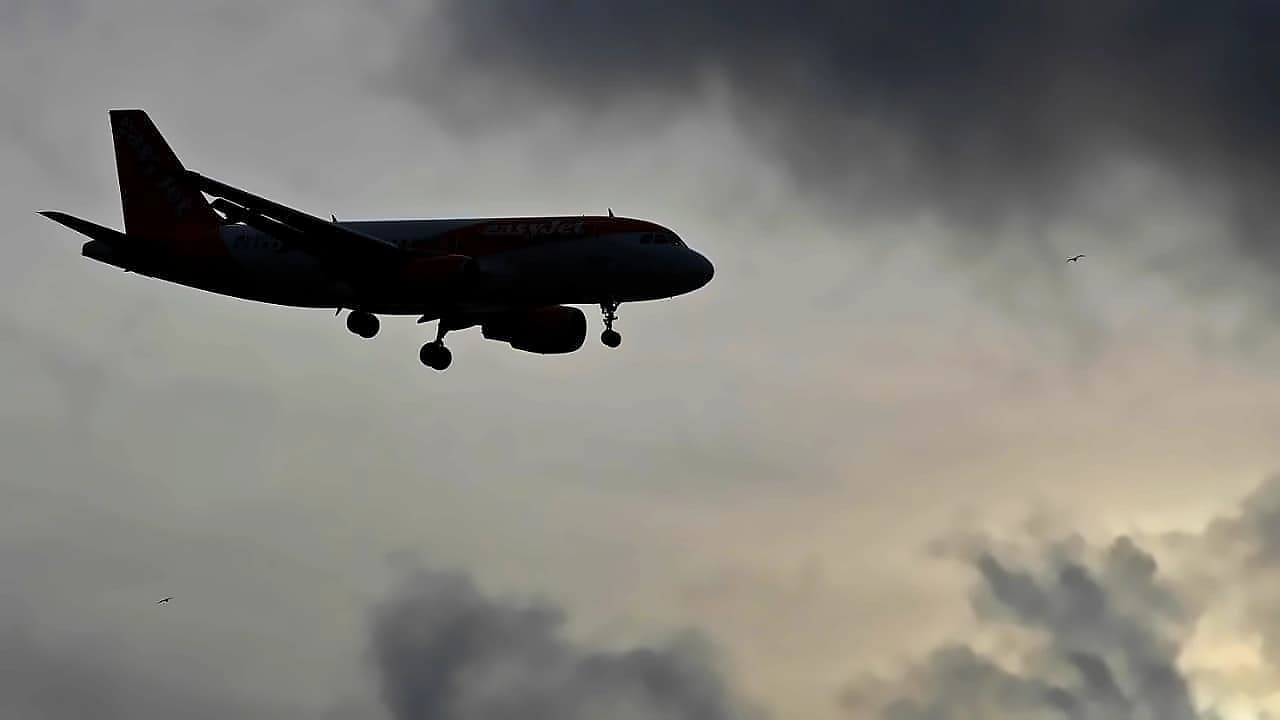
Air India’s FY26 net loss of Rs 22,238 crore didn’t just inch upward—it more than doubled from the previous year’s Rs 10,859 crore. Three external shocks converged to hammer the airline’s cost structure simultaneously. Pakistan’s closure of its airspace to Indian carriers forced longer, fuel-guzzling routes to Europe and North America. Aviation Turbine Fuel prices surged as the Middle East conflict escalated, and with fuel accounting for roughly 45–55% of operating costs for Indian carriers, the impact was immediate. Then came the June 2025 crash of flight AI171, a Boeing 787-8 Dreamliner, which killed 241 of 242 people on board. Beyond the direct financial costs of compensation and insurance, the tragedy dealt a severe reputational blow that set back years of brand rebuilding and weakened pricing power. Revenue also declined to Rs 71,870 crore from Rs 76,754 crore, indicating scaled-down operations amid these geopolitical and operational headwinds.
The Transformation Bill: Why Funding Overran Estimates
The Vihaan.AI transformation programme, initially envisioned as a five-year turnaround, has proven far more expensive and slower than planned. The integration of four airlines—Air India, Vistara, AirAsia India, and Air India Express—into two entities required harmonizing over 140 IT systems, consolidating 4,000 vendor contracts, and migrating 4.5 million loyalty accounts. A record-setting order of over 500 new aircraft, a USD 400 million interior retrofit for the legacy fleet, and a USD 200 million IT overhaul represent massive capital commitments. Infrastructure investments include a 600,000 sq ft training facility and a 12-bay maintenance base. More than 9,000 new employees have been inducted and trained. These structural investments, combined with prolonged supply chain disruptions affecting aircraft components and the need to overhaul legacy systems, culture, and fleet, have pushed the transformation timeline to 5–10 years and funding requirements well beyond initial projections.
Cost Structure and Revenue: The Expensive Turnaround
Air India’s turnaround is expensive because its cost structure remains fundamentally disadvantaged compared to global peers.
Aircraft utilisation rates have improved since the Tata acquisition but still lag international peers, meaning fewer revenue-generating flight hours per aircraft against a largely fixed cost base. Ancillary revenue—services like seat selection, meals, and lounge access—contributes minimally at Air India, whereas successful full-service carriers globally generate 15–20% of revenue from these streams. Limited fuel hedging activity has left the airline fully exposed to price shocks, unlike competitors such as Singapore Airlines and Qantas that maintain active hedging programmes. These structural inefficiencies mean every external shock hits harder and recovery takes longer.
From Unconditional Buyout to Conditional Capital
In 2021, Tata Group paid Rs 2,700 crore in cash and assumed Rs 15,300 crore of debt with minimal performance contingencies. Today, the board has approved fresh funding in principle but explicitly refused a blank cheque. Any capital infusion will now require Air India and other investee companies to present a detailed business case justifying the deployment. This case-by-case approach means each funding request must stand on its own operational merits rather than relying on the airline’s strategic importance alone. The approval comes more than a year after Tata Sons paused equity injections, during which Air India’s debt climbed to around Rs 40,000 crore across 11 lenders as it relied on borrowings to fund operations.
Singapore Airlines’ Dilemma and Temasek’s Shadow
Singapore Airlines, which holds 24.7% of Air India, faces its own complex decision on the proposed $1.5 billion equity raise. To maintain its stake, SIA would need to invest approximately Rs 3,350 crore. The airline has stated its board will “carefully consider” any request, weighing Air India’s strategic direction against the group’s broader capital requirements. The decision carries political weight in Singapore because SIA is majority-owned by Temasek, the state investment fund. Temasek has publicly backed SIA’s long-term India strategy but stopped short of committing fresh capital, creating a strategic backing without a funding guarantee. A Singapore MP has even questioned whether Temasek’s funds should be used to support the loss-making carrier. If SIA declines to participate proportionally, its stake would be diluted, potentially reducing its influence on board decisions and strategic direction while leaving Tata Sons with greater control but also the full burden of future funding.
The Debt Burden and Lender Risk Management
Air India’s outstanding debt of approximately Rs 40,000 crore across 11 lenders severely constrains financial flexibility. State Bank of India leads the consortium with an exposure of about Rs 18,500 crore, followed by Bank of Baroda at Rs 5,938 crore. This debt accumulation stems from accumulated operational losses, working capital requirements, fleet modernization costs, and the absence of fresh equity during FY26. The burden translates to estimated annual interest costs of Rs 2,800–3,200 crore, consuming substantial operating cash flow and limiting capacity for strategic investments. Lenders are managing credit risk through ongoing monitoring, potential restructuring mechanisms, and preparing for the RBI’s Expected Credit Loss framework implementation from April 2027, which will require forward-looking provisioning based on probability of default and loss given default models. The extended turnaround timeline increases the risk of slippage to non-performing asset status and necessitates higher provisions, impacting banks’ capital adequacy and profitability.
Article 121A: The Governance Friction
This provision has created significant friction in capital allocation decisions for Air India. Tata Trusts collectively own about 66% of Tata Sons, giving them substantial influence over major capital calls. The governance structure means Noel Tata, as Tata Trusts chairman, can effectively gatekeep large investments. This mechanism has been activated in the current funding round, where the board approved capital in principle but imposed strict business case requirements. The restriction does not affect the voting rights of nominee directors even as the Sir Ratan Tata Trust faces a separate inquiry by the Maharashtra Charity Commissioner, but it does mean every major funding decision now requires explicit Trust approval, adding a layer of scrutiny and potential delay to capital deployment.
Noel Tata’s Push for Discipline and Boardroom Tensions
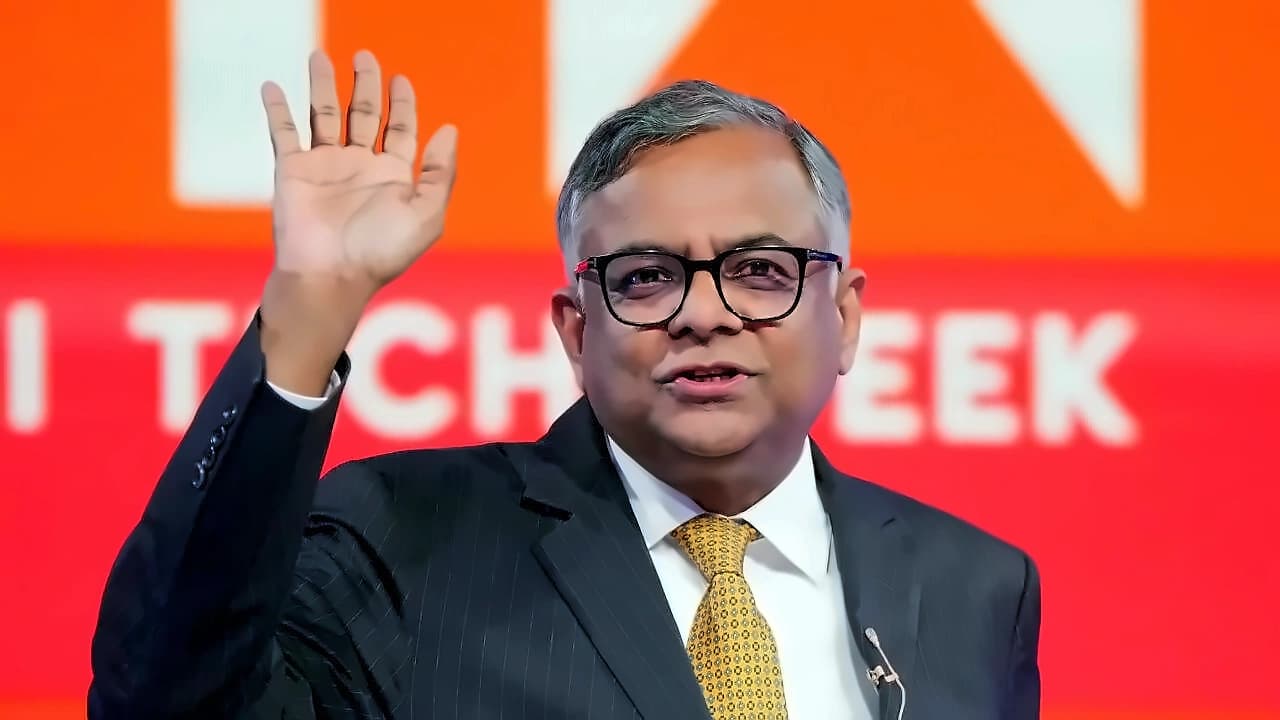
At a May 2026 board meeting, he questioned the growth assumptions underpinning a Rs 7,000 crore funding proposal for Tata Digital’s consumer businesses, noting that BigBasket’s market share had collapsed from nearly 40% in 2021 to around 7%. These concerns reflect broader tensions with N. Chandrasekaran over the group’s capital allocation strategy. Chandrasekaran has championed bold, long-term bets in aviation, semiconductors, and digital commerce as essential for India’s development and the group’s future competitiveness. Noel Tata, emphasizing financial returns and sustainable business models, has sought assurances on debt trajectory, loss reduction paths, and a commitment that Tata Sons would never list. Chandrasekaran’s refusal to provide an unconditional no-listing assurance became a key point of friction. The disagreement contributed to the deferral of his reappointment in February 2026 and his subsequent announcement that he would step down in February 2027, ending a nearly nine-year tenure marked by aggressive expansion.
The Trade-off: Strategic Patience vs. Financial Accountability
Tata Sons faces a fundamental trade-off between continuing to fund Air India’s losses and enforcing stricter capital discipline across its portfolio. On one side sits the strategic importance of a national carrier and the potential long-term value of a transformed airline. On the other is the imperative to protect Tata Sons’ financial health, given that consolidated net profit slipped 35% to Rs 266 billion in FY26 due to losses from Air India, Tata Digital, and Tata Electronics. The group’s debt remains around Rs 2.5 trillion.
Future funding will be tied to specific business cases demonstrating progress on margins, reliability, network expansion, and cost rationalization. This approach signals that while Tata Sons remains committed to the long-term rebuild, patience is no longer infinite. The balance between strategic ambition and financial accountability will define Air India’s next chapter as much as any aircraft order or network plan.