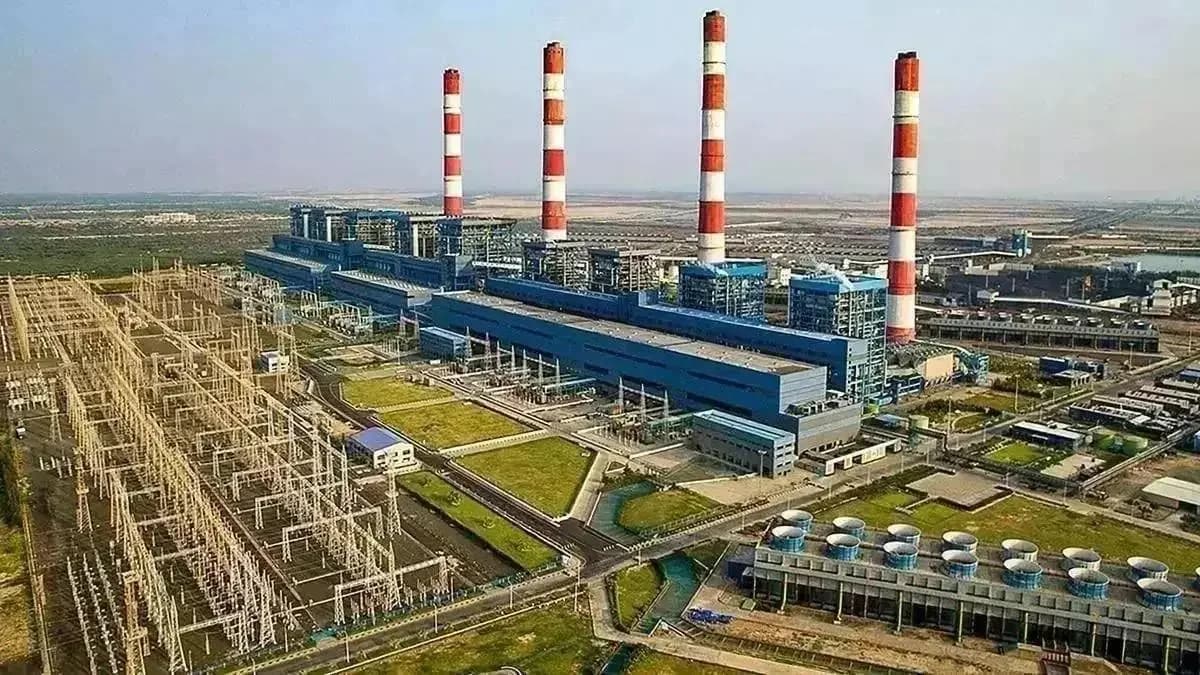
Adani Energy Solutions just landed a whopper of a project—a Rs 8,500 crore inter-state transmission system in Andhra Pradesh. This isn't just another contract win. It's a strategic move that cements the company's position as India's largest private transmission utility, pushing their order book past the Rs 80,000 crore mark.
But here's the interesting part: this Andhra Pradesh project is just one piece of a much larger puzzle. The company is simultaneously executing massive transmission corridors in Gujarat and Rajasthan that will account for nearly two-thirds of their future billing potential. Let's break down what's really happening here.
The Andhra Pradesh Project: More Than Just Power Lines
The Vizag transmission project has a very specific purpose. It's designed to support upcoming green hydrogen and green ammonia projects in the Visakhapatnam region, catering to an estimated demand of 4,500 MW. That's serious capacity. The project will add 1,582 circuit kilometres of transmission lines and 10,500 MVA of transformation capacity to AESL's portfolio.
What makes this particularly smart is the timing. Vizag is emerging as a major hub for green hydrogen production and data center infrastructure. By building the transmission backbone now, AESL is positioning itself exactly where the future demand will be. The project is scheduled for completion within 30 months and will be housed under a special purpose vehicle called Vizag Power Transmission Ltd.
The Gujarat-Rajasthan Renewable Corridors: The Real Revenue Drivers
While the Andhra Pradesh project grabs headlines, the real heavy lifting for AESL's future growth comes from the renewable energy corridors in Gujarat and Rajasthan. These two states will drive approximately 63% of AESL's future transmission billing from their under-construction portfolio.
Here's why this matters: AESL is currently executing 13 transmission projects spanning 7,926 circuit kilometres and 73,775 MVA of transformation capacity, with a combined annual billing potential of Rs 9,510 crore. Of this, two high-voltage direct current (HVDC) projects—the Bhadla-Fatehpur HVDC project and the Khavda South-Olpad HVDC project—together account for Rs 5,949 crore of that total future billing potential.
Both HVDC projects are expected to be commissioned around FY29. These are complex, long-distance transmission systems that connect massive renewable energy parks (like Bhadla solar park in Rajasthan and Khavda renewable park in Gujarat) to major load centers across India. The scale here is enormous, and the long-term regulated revenue streams provide exceptional visibility.
How These Projects Complement Each Other
The beauty of AESL's strategy lies in how these different projects complement each other. The Gujarat-Rajasthan corridors are all about renewable energy evacuation—moving power from massive solar and wind parks to where it's needed. The Andhra Pradesh project, on the other hand, is focused on supporting green hydrogen, green ammonia, and data center infrastructure.
This creates a powerful diversification. The Gujarat-Rajasthan projects provide long-term, stable revenue backed by government renewable energy targets and power purchase agreements. The Andhra Pradesh project offers exposure to emerging industrial demand and the green hydrogen revolution. Different geographies, different demand sources, different timelines—it's a well-balanced portfolio.
Funding the Growth: Debt, Equity, and Leverage
So how is AESL paying for all this? The company typically follows a 70:30 debt-to-equity framework for infrastructure projects. For the Rs 8,500 crore Andhra Pradesh project, this means roughly Rs 5,950 crore in debt and Rs 2,550 crore in equity.
This will temporarily push AESL's net debt-to-EBITDA ratio from the current 4.62 times to around 5.0-5.2 times during the construction phase. But here's the thing: once these projects become operational, they start generating regulated tariff revenue, which improves the ratio. Management has set a target to reduce net debt-to-EBITDA below 4.0 times by FY28.
The company's strong financial position helps. They recently completed a Rs 8,500 crore qualified institutional placement in May 2026, which provides a solid equity cushion. Their consolidated EBITDA grew 14.2% year-on-year to Rs 6,854 crore, with profit after tax up 23% to Rs 1,486 crore. This kind of financial performance gives them the confidence to take on large projects.
Free Cash Flow: Short-term Pain, Long-term Gain
All this capital deployment does create near-term free cash flow pressure. In Q1 FY26, AESL's capex increased 1.7x to Rs 2,224 crore. With the Andhra Pradesh project requiring Rs 8,500 crore over 30 months, plus ongoing investments in Gujarat and Rajasthan, the company is in a heavy investment phase.
But the medium-term outlook looks much brighter. As the HVDC projects commission around FY29 and the Andhra Pradesh project becomes operational, free cash flow generation should improve significantly. The company is looking at Rs 9,510 crore in annual billing potential just from the under-construction portfolio. That's serious cash flow once these projects are up and running.
Regulatory Hurdles and Framework Differences
Of course, it's not all smooth sailing. The Andhra Pradesh project requires approvals from multiple authorities—the Central Electricity Regulatory Commission for inter-state transmission aspects, the Andhra Pradesh Electricity Regulatory Commission for state-level components, plus various land acquisition and environmental clearances. Regulatory delays could impact project economics, with each month of delay potentially reducing the project's internal rate of return.
The regulatory frameworks also differ across states. Gujarat has a more mature and predictable regulatory environment, which generally supports higher profitability with lower execution risk. Rajasthan offers renewable energy incentives and policy support for green energy transmission. Andhra Pradesh's regulatory regime is still developing, which presents higher risk but also growth potential as the framework evolves.
Competitive Position: Why AESL Keeps Winning
This brings us to a crucial question: why does AESL keep winning these big projects? The answer lies in their competitive advantages.
First, there's scale. With an order book of Rs 80,000+ crore, AESL is 2-3 times larger than their nearest private competitor. This scale gives them procurement advantages, lower financing costs, and the ability to bid aggressively on large projects.
Then there's technical capability. AESL has expertise in both HVDC and HVAC transmission across multiple voltage levels, including 765kV lines. Many competitors focus primarily on lower-voltage HVAC projects. The HVDC projects in Gujarat and Rajasthan require specialized expertise that few players possess.
Financial strength matters too. AESL's CRISIL AA+ rating with stable outlook gives them access to cheaper capital. Their successful Rs 8,500 crore QIP demonstrates market confidence and provides the equity cushion needed for growth.
What This Means for the Future
Looking ahead, AESL is targeting a 25% market share of what they estimate to be a Rs 1.0 lakh crore annual transmission bidding opportunity. That's Rs 20,000-25,000 crore in potential annual capital additions. The Andhra Pradesh win is a step toward maintaining that market share.
The company's return on capital employed currently sits around 10%, which is decent for the utilities sector. While specific project-level returns aren't disclosed, the strategic alignment with green energy and digital infrastructure themes, combined with regulatory protection, suggests competitive returns.
The bottom line is that AESL is building a formidable transmission empire. The Andhra Pradesh project adds another pillar to their already impressive portfolio, complementing the massive renewable corridors in Gujarat and Rajasthan. With strong execution capabilities, financial muscle, and first-mover advantages in emerging energy segments, they're well-positioned to maintain their leadership in India's transmission sector.
The next few years will be crucial as these projects move from construction to operation. If AESL can execute on their timeline—and their 99.69% network availability track record suggests they can—they're looking at a significant ramp-up in regulated revenue and cash flow generation. That's the kind of visibility infrastructure investors love.