India's zero-proof beverages market is experiencing significant momentum driven by growing consumer interest in alcohol moderation. According to reports from Mint, the category has evolved from curiosity to a legitimate, albeit still niche, segment, accounting for well under 1% of India's alcoholic beverages market by value with annual volumes of less than 1 million cases. As reported by industry experts, consumers are increasingly buying these products not simply because they do not contain alcohol but because they want to participate in social occasions without drinking. The trend is being supported by quick commerce platforms, modern retail stores, and changing drinking habits that are making alcohol-free options more accessible.
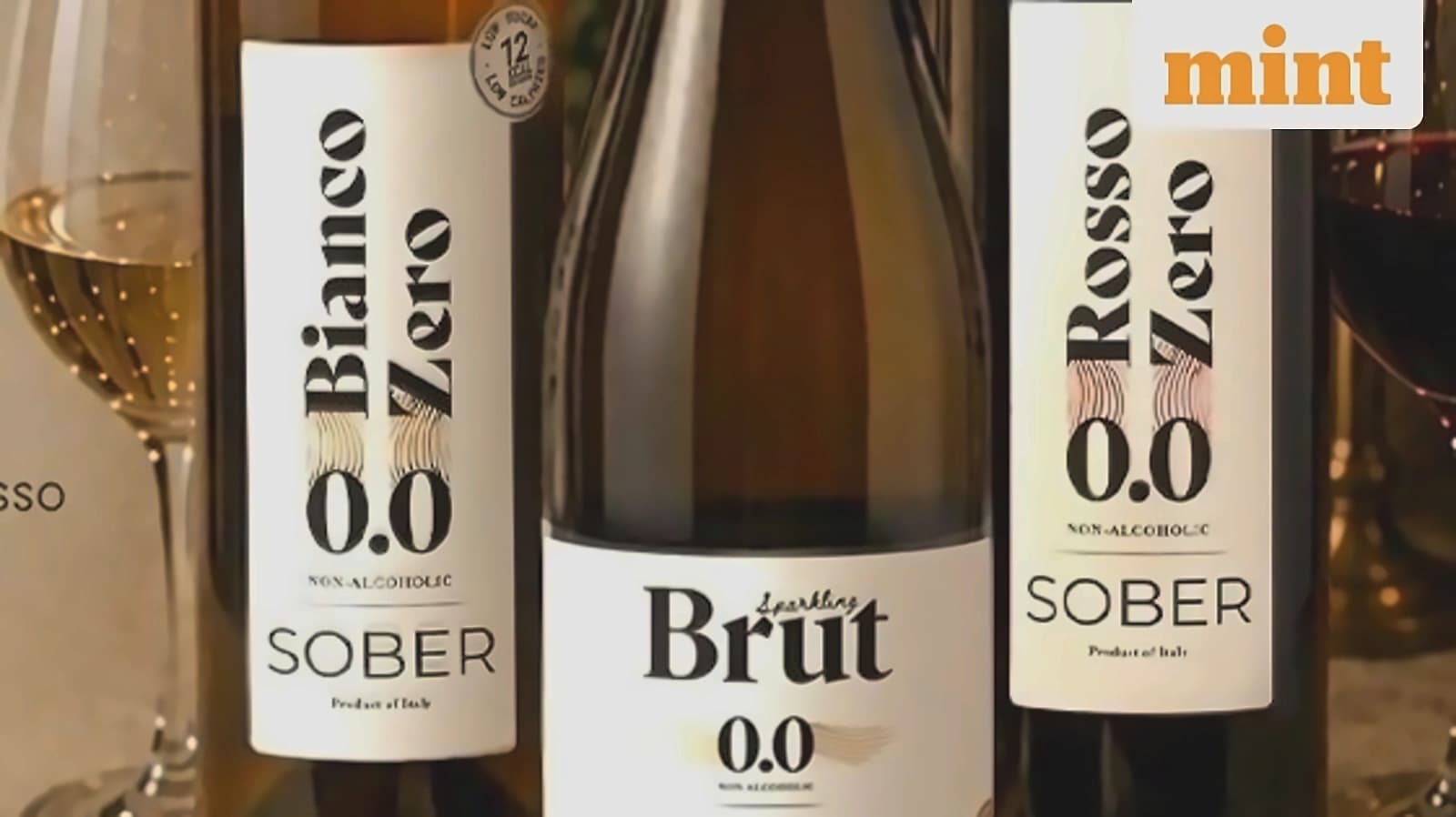
Leading alcohol companies are significantly expanding their zero-proof portfolios to capitalize on this growing market. Diageo-backed Sober has expanded into wines and ready-to-drink (RTD) cocktails without alcohol content, while Pernod Ricard India has taken Jacob's Creek Unvined into modern retail. Major beer brands are building the alcohol-free segment, with Heineken 0.0, Corona Cero 0.0 and Budweiser non-alcoholic beers gaining traction, alongside newer entrants such as 3 Sisters and Boohz. According to Mint, Sober's net sales value grew from approximately ₹60 lakh before Diageo's investment in 2024 to ₹1.5 crore by 2025 and ₹5.5 crore in FY26.
The zero-proof beverages market offers products across various price points to cater to different consumer segments. As reported by Mint, most alcohol-free beers are brewed conventionally before the alcohol is removed or made using controlled fermentation, while zero-proof drinks use botanicals, extracts and natural flavours. Prices range from about ₹100 for trial-sized 180-200 ml RTDs and miniatures to over ₹2,000 for premium alcohol-free wines and gins. The pricing strategy reflects the market's evolution from trial products to premium experiences, with companies focusing on higher-margin bottled drinks while also introducing lower-priced options to attract younger consumers.
Startups are adapting innovative strategies to navigate the competitive landscape. Catwalk, a startup making dry non-alcoholic gin, has shifted from direct-to-consumer sales to focus on restaurants, bars and hotels, achieving 1,600-1,700 bottles monthly across Delhi, Mumbai, Bengaluru and Gujarat. However, as reported by Mint, restaurants remain a challenge with many outlets reluctant to actively promote zero-proof beverages due to fears of customers substituting them for more expensive alcoholic drinks. Sober is expanding both portfolio and distribution, recently launching zero-sugar, zero-calorie alcohol-free canned cocktails including Picante and gin and tonic, with the first batch of 8,000 Picante cans selling within about 70 days.
Quick commerce platforms are emerging as important discovery channels for zero-proof beverages, though profitability remains constrained by market dynamics. According to Mint, companies view quick commerce as more valuable as a discovery platform than a sales engine, with the goal of consumers trying lower-priced options and graduating to full bottles. However, profitability remains challenged by discounting, platform commissions and rising input costs. Catwalk withdrew its canned products despite selling about 4,000 cans monthly after aluminium costs rose due to the war in West Asia. The mixed results reflect the industry's ongoing efforts to balance growth with sustainable business models in this evolving market segment.