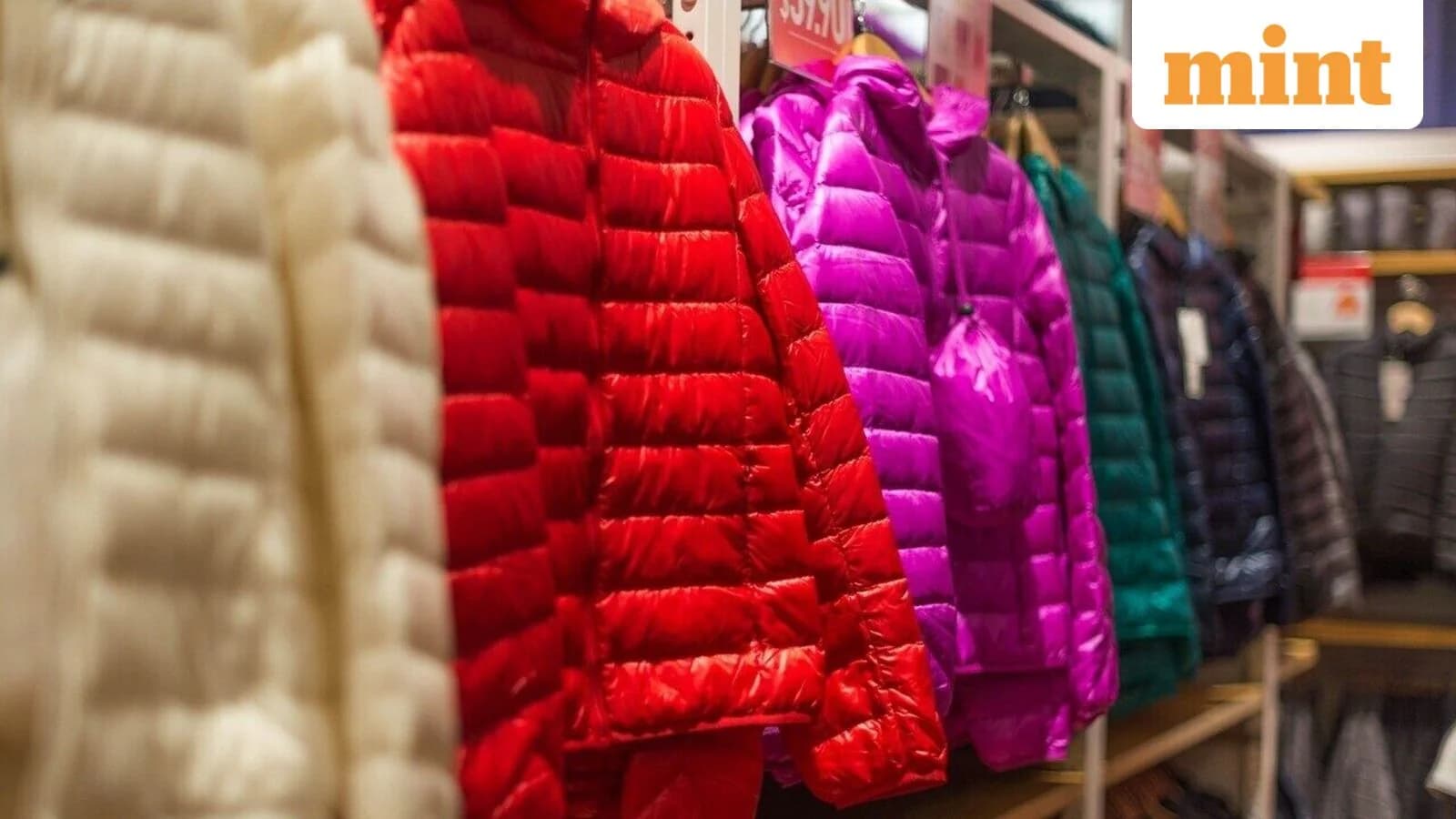
Winter wear sales remained underwhelming for the second consecutive year as an unusually delayed and milder winter disrupted demand for heavy winter wear, particularly in north and west India, according to executives at two of India's top clothing retailers. While early signs of a La Niña weather pattern triggered some early buying in the September quarter, the season remained unusually mild, leaving stores with surplus winter clothing inventory. Excess rainfall and cyclonic activity during the festive period in parts of eastern and southern India further weighed on seasonal buying, compounding pressure on winter sales that are typically front-loaded.
Lalit Agarwal, managing director of V-Mart Retail, acknowledged that northern India saw delayed or milder winter initially, leading to dispersed demand for heavy winter wear. Despite forecasts of a strong, early winter, peak winters were delayed across North and West India, leading to a lull post-Diwali. The company consciously chose to protect margins rather than chase volumes, with winter and pre-winter categories accounting for about 40-45% of the overall mix during the quarter, rising to over 60% during peak winter weeks in December. V-Mart's revenue grew 10% year-on-year to ₹1,126.4 crore in Q3, largely driven by wedding and festive-season clothing, with higher full-price sell-through supporting margins despite uncertain demand.
Gunender Kapur, managing director and CEO of Vishal Mega Mart, reported that winter sales achieved robust double-digit same-store growth for the entire season and full quarter, effectively overcoming sluggish demand during December. The company achieved 17% revenue growth to ₹3,670.4 crore in Q3 FY26 from ₹3,135.9 crore in Q3 FY25, largely driven by wedding and festive-season demand. Kapur noted that demand for winter clothing increased significantly in January, with the company maintaining pricing discipline to protect profit margins. Merchandise that typically sells in December fetches higher prices than January merchandise, and the company achieved same-store sales growth of over 10% even with winter merchandise purchased for the autumn-winter season.
In contrast to the challenges faced by V-Mart and Vishal Mega Mart, V2 Retail recorded strong performance with revenue surging 60% year-on-year to ₹929.2 crore in Q3 from ₹590.9 crore a year earlier. Managing director Akash Agarwal attributed this to the early onset of winter leading to a very good season, with winter garments commanding much higher average selling prices than summer products. The high-ASP, high-margin category accounted for the bulk of Q3 sales and was a key driver of same-store sales growth. This performance difference may be attributed to V2's stronger presence in eastern and north-eastern markets including Bihar, Jharkhand, Odisha and Assam, where winter demand was more even this season.
Two consecutive years of sluggish winter sales highlight broader challenges around climate change for apparel retailers who peg inventory based on weather patterns and demand. According to industry estimates, winter sales account for roughly 20% of total yearly revenue for apparel companies, coinciding with India's massive wedding season when spending peaks. The World Meteorological Organisation reported that 2025 was among the three warmest years on record worldwide, continuing a decade-long streak of exceptional heat despite the cooling La Niña phase. Devangshu Dutta from Third Eyesight consulting firm noted that while seasons have always been unpredictable, the challenge has intensified as apparel businesses have scaled up nationwide, creating vulnerability to unpredictable weather swings and weaker cold spells.