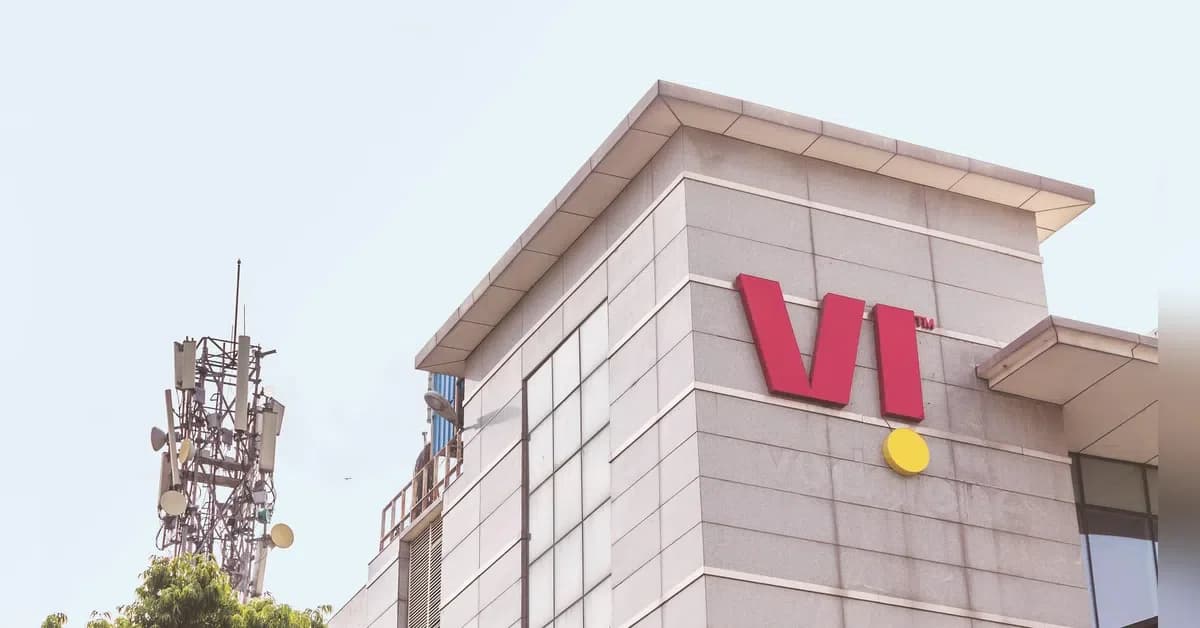
Vodafone Idea (Vi) has experienced a dramatic decline in market position since its 2018 merger, with revenue market share falling from 29.26% to 11.48% by Q3 FY26. According to reports from Business Standard, this represents the steepest decline among the top three telecom operators, which together hold over 95% of the Indian telecom market. The company reported a 3% rise in revenue for Q4 FY26, but the broader trend shows sustained market share erosion despite modest financial improvements.
The competitive landscape has shifted significantly since the merger, with Reliance Jio and Bharti Airtel growing their market shares by 39% and 53% respectively. As reported by Business Standard, Vi's subscriber base has halved since the merger, while Reliance Jio's has nearly doubled. This subscriber decline has been a key factor in the company's reduced market share, highlighting the challenges faced by the merged entity in maintaining its competitive position in India's consolidated telecom market.
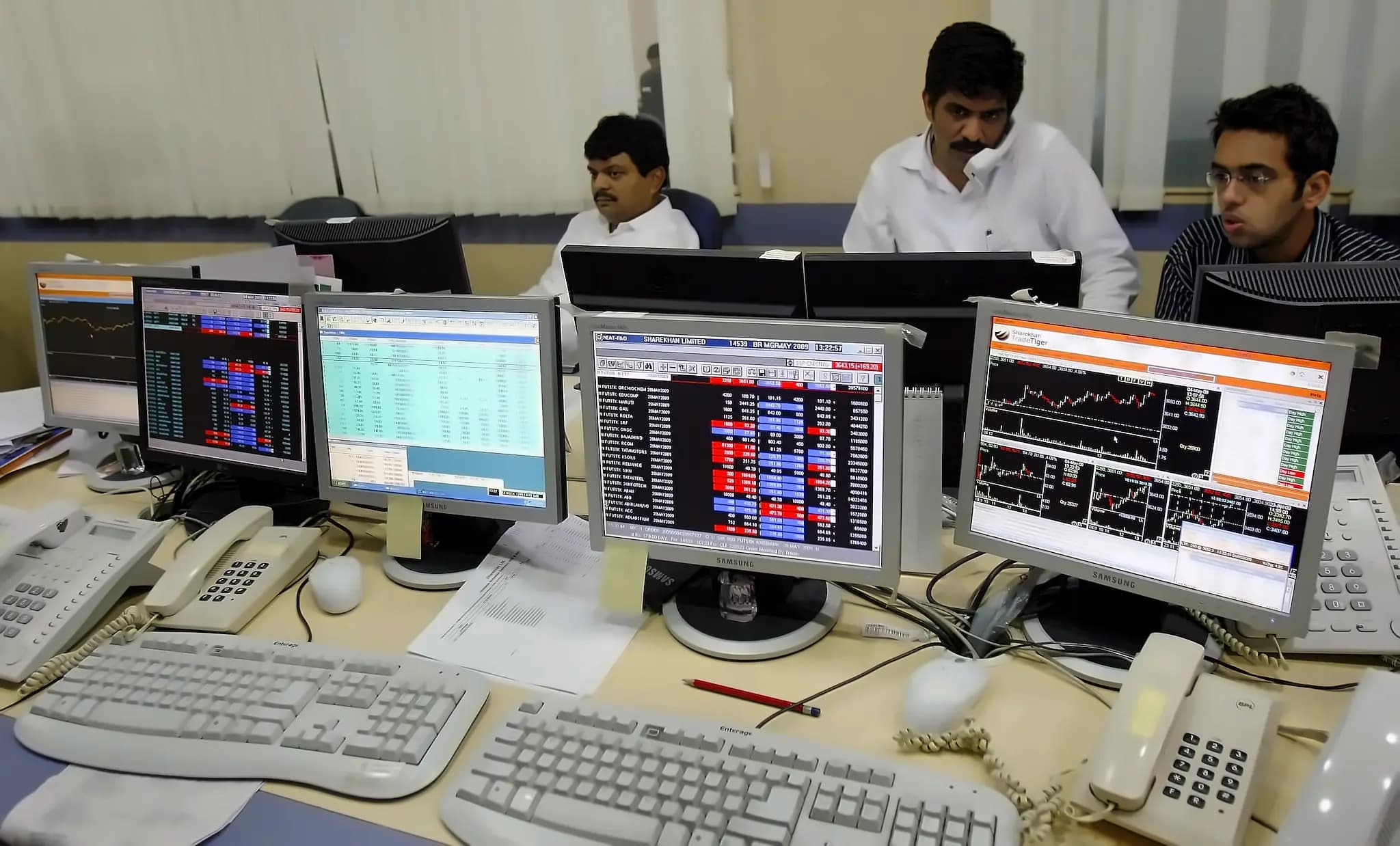
Despite the company's financial improvements, market sentiment remains cautious with sell orders outpacing buys by nearly two to one on Vi shares. According to latest trading data, 64.98% of the 15.44 crore shares traded were on the sell side, with total traded value reaching ₹720 crore by early morning. This trading activity reflects investor concerns about the company's long-term market position despite its modest revenue growth.
The company continues to face financial pressures, with Vodafone Group reportedly weighing a stake transfer to shore up Vi's finances earlier this month. According to Business Standard, the telecom sector has expanded significantly over the past 15 years, with AGR rising 2.5 times between 2009-10 and 2024-25. The sector's growth was accelerated by Reliance Jio's entry in 2016 and subsequent mergers, including the Vodafone-Idea and Telenor-Airtel consolidations in 2018, which pushed teledensity past 90% during 2016-19.