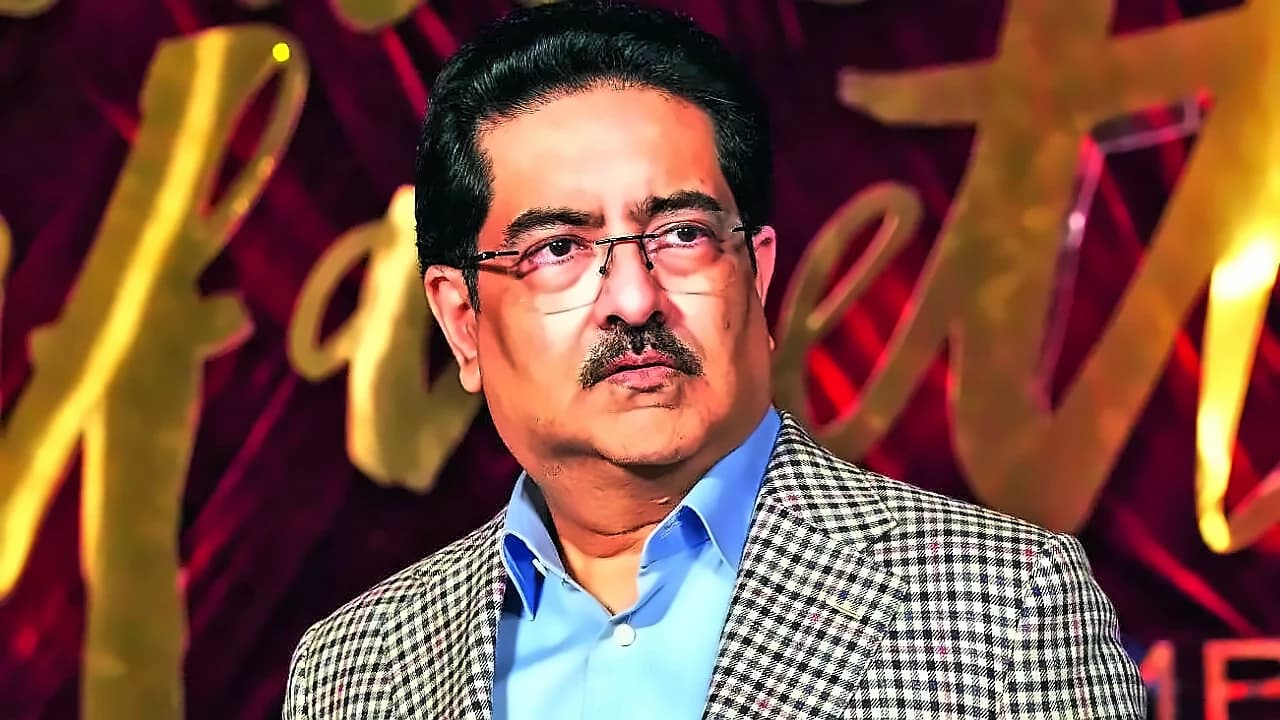
Vodafone Idea Chairman Kumar Mangalam Birla has reinforced his position on tariff increases, stating that periodic tariff revisions are essential for telecom operators to continue investing in network upgrades and future technologies. According to Goodreturns reports, Birla emphasized that India's Average Revenue Per User (ARPU) remains among the lowest globally, making such increases necessary for sustained capital investments. The comments come at a crucial juncture as the telecom industry has made massive investments in acquiring 5G spectrum and rolling out nationwide 5G infrastructure, with operators now looking to improve returns on these investments through gradual tariff revisions. Industry experts note that improving ARPU is critical for operators to generate sufficient cash flows for continuous infrastructure investments, with both Reliance Jio and Bharti Airtel also working towards increasing monthly ARPU to the ₹200-₹300 range.
Vodafone Idea has emerged from years of financial uncertainty and entered a 'period of execution' following the resolution of its long-running adjusted gross revenue (AGR) dispute. According to the company's FY26 annual report, FY26 marked a turning point after several years of financial uncertainty, with the telecom operator now focused on accelerating network investments and improving competitiveness. The AGR liability was revised to ₹64,046 crore from a provisional estimate of ₹87,695 crore, resulting in a one-time profit after tax of ₹34,552 crore and providing greater visibility on future liabilities. Revenue for FY26 rose 3% to ₹44,873 crore, while EBITDA increased 4.8% to ₹19,003 crore, with margins expanding to 43.1%.
Vodafone Idea demonstrated strong customer recovery after years of losses, with the company ending FY26 with 192.8 million subscribers, including 128.9 million on 4G and 5G networks. As reported by PTI, broadband subscriptions crossed the one billion mark in March 2026, driven by mobile connectivity becoming the country's primary gateway to the digital economy. The company began adding subscribers again from February 2026, marking a significant turnaround in the company's performance. Birla noted that after years of continuous losses, Vi recorded an increase in customers during the March quarter, with quarterly ARPU rising to ₹190 and the subscriber base reaching 192.8 million users.
The company continues discussions with lenders to secure long-term funding for its planned capital investment programme of ₹45,000 crore over FY27 to FY29. According to Goodreturns reports, this investment programme is designed to support the expansion of a fully competitive network and strengthen market competitiveness. Promoter commitment remained unequivocal, with Vodafone Group settling ₹6,394 crore under the Contingent Liability Adjustment Mechanism and the Aditya Birla Group committing an additional $500 million (around ₹4,730 crore) equity infusion. In May, Birla returned to Vi's board as non-executive chairman after stepping down in 2021, with his comeback widely seen as a vote of confidence in the telecom operator's turnaround prospects. The company also raised ₹3,300 crore through non-convertible debentures to support its expansion plans.
Vodafone Idea has significantly expanded its network footprint, with 5G services now available in more than 80 cities and its 4G network covering over 1.1 billion people, or around 86% of India's population. The company is also sharpening its enterprise business, highlighting investments in cloud connectivity, IoT and digital infrastructure. Vi has built a 1.3 Tbps enterprise corridor connecting major data centres and plans to deploy 12 million smart meters over the next three years as it expands its managed services and IoT offerings for enterprises and utilities. Its cybersecurity platform Vi Protect identified nearly 2 billion suspected spam calls and messages and blocked around 250,000 malicious domains during the year, demonstrating the company's enhanced security capabilities.