Varun Beverages shares climbed 1.61% to ₹398.30 as of 11:40 AM on Monday, touching an intraday high of ₹404.35 before paring gains. The stock opened at ₹395.80 against Friday's close of ₹392.00, with turnover standing at ₹181 crore on traded volume of 45.37 lakh shares. The sell side held a slight edge at 52.33% versus 47.67% on the buy side. Despite the positive trading session, the stock remains well off its 52-week high of ₹555.80 hit in June and is down about 19% year-to-date. The move comes a trading session after the PepsiCo bottler reported its Q3CY26 results on October 30.
Varun Beverages, one of the largest global franchisees of PepsiCo outside the United States, delivered robust financial results for the third quarter of CY2026. The company reported a consolidated net profit of ₹830.6 crore, representing a growth of 13.54% from ₹731.51 crore in the year-ago period. According to the latest regulatory filing, consolidated revenue rose 33.2% year-on-year to ₹6,607 crore in Q3CY26, beating consensus estimates, with revenue from operations rising 33.3% YoY to ₹6,815.6 crore from ₹5,112.43 crore in the year-ago quarter. On a standalone basis, the company reported revenue from operations at ₹3,822.4 crore, up 24.75% on-year. EBITDA increased 25.1% to ₹1,426.71 crore compared with ₹1,140.41 crore a year earlier, though EBITDA margin contracted by 140 basis points to 21.6% from 23% in the corresponding quarter last year. The margin compression was primarily attributed to higher packaging material costs, including preforms, shrink films, closures, and cans, driven by geopolitical disruptions.
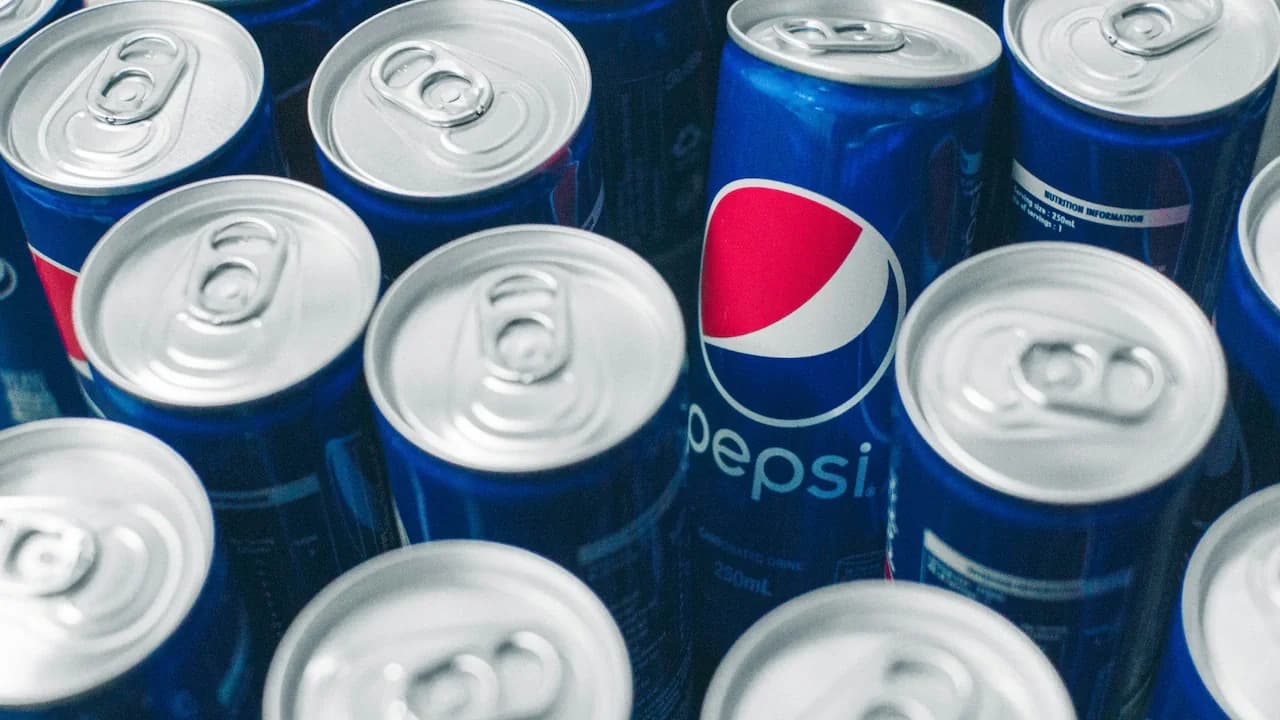
Consolidated sales volume grew by 29% to 354.4 million cases in Q3 CY2026 from 275.3 million cases in Q3 CY2025, driven by robust volume growth of 22.5% in India and 39.9% in international territories. The international volume figure included 15.3 million cases contributed by Twizza in South Africa. According to Jefferies India, India volume growth was a key highlight, especially after disappointment in the previous quarter, with momentum continuing into October. DAM Capital noted that in CY25, a weak summer coincided with the expansion of Campa Cola (operated by Reliance Consumer Products), making it difficult to separate weather impact from competition. However, with a normal summer, India volume growth in Q2CY26 and Q3CY26 suggests the slowdown was largely weather-led, with double-digit growth expected to continue. Beverage realization per case improved by 2.2% at the consolidated level, with India realization increasing 0.5% supported by higher contribution from premium categories including Ad Rush and Evervess mixers, along with calibrated discounting and efficient price pack architecture. Carbonated soft drinks accounted for 73.3% of consolidated sales volumes, while packaged drinking water contributed 21.9% and juice-based beverages 4.8%.
Executive Vice Chairman Varun Jaipuria attributed margin pressures to elevated packaging costs that weighed on margins during the quarter, with the company also impacted by higher sales of non-beverage products like preforms, caps, etc. in India, which increased by 104% during the quarter and has a higher COGS, impacting gross margins by about 100 bps in India. As reported by The Economic Times, the company's gross margin declined 334 basis points to 53.1% during the quarter, primarily due to higher packaging material costs. According to Jefferies India, elevated packaging costs eroded almost 300 bps from India gross margin and 272 bps internationally. However, sugar prices increased around 16% during the quarter, though this impact was largely offset by a sharp increase in the share of low-sugar and no-sugar products in India, from 44% in Q3 CY2025 to 88% in Q3 CY2026. Depreciation and finance costs rose 34.5% and 53.5% respectively, primarily due to the acquisition of Twizza in South Africa and associated debt funding. Management indicated that gross margins have likely bottomed in the current quarter, barring fresh macro shocks.
Despite margin pressures from packaging cost inflation, major brokerages have maintained their bullish stance on Varun Beverages following the company's strong Q3CY2026 performance. Goldman Sachs retained its 'buy' rating with a price target of ₹520, noting that revenue and EBITDA beat estimates led by strong volume growth. Jefferies reduced the price target to ₹530 from ₹615 while maintaining a 'buy' call, citing India volume growth rebound and manageable competition. HSBC maintained a 'buy' rating with a price target of ₹540, highlighting the company's strong execution capabilities and expanding digital ecosystem. The common thread across brokerage notes is strong volume growth offset by cost pressure. JM Financial kept its Buy but cut the target to ₹485 from ₹505, citing higher depreciation and interest costs following the Twizza acquisition. Motilal Oswal reiterated Buy at ₹510, while Choice Institutional Equities maintained Buy but slashed its target to ₹460 from ₹550, revising its multiple lower to 35x Sep-28E EPS on raw material concerns. Elara Securities held an Accumulate rating with a target of ₹470, cut from ₹490, trimming CY27E EPS estimates by 3.4%.
In a significant strategic development, Varun Beverages solidified its partnership with PepsiCo by extending their licensing agreement through April 30, 2049, replacing its earlier term which had been valid till April 30, 2039. The company also inked a revised deal with PepsiCo at the same time, as reported by The Economic Times. This extension reinforces Varun Beverages' position as PepsiCo's second-largest franchise bottler globally. The company is strategically diversifying into adjacent categories to leverage its robust execution capabilities, with new categories and global scale-up setting the stage for sustained profitable growth. Management expects the broader industry to respond through price hikes or reduced trade spending, and plans to follow suit. For the nine months ended September 2026, Varun Beverages reported a 23.3% year-on-year increase in net revenue to ₹21,814.55 crore, with EBITDA rising 19.9% to ₹5,274.58 crore and profit after tax increasing 15.5% to ₹3,202.30 crore.
Executive Vice Chairman Varun Jaipuria announced ambitious distribution expansion plans for 2027, stating the company hopes to add a couple of hundred thousand outlets annually to its existing network of around 4.2 million outlets. Speaking on the company's Q3 CY2026 earnings call, Jaipuria said the company was planning an aggressive expansion of both numeric and weighted distribution in 2027. The expansion will involve adding new outlets and increasing the company's presence in existing outlets to build on the distribution infrastructure created in previous years. The company has earmarked a capex of ₹1,000 crore for the India business and $90-100 million for international capacity expansions. After muted distributor investment in CY26, this represents a significant acceleration in growth investment. Some analysts remain cautious about the planned CY27 capex entailing significant investment, while returns from newer initiatives such as KIVA's ready-to-drink and alcobev businesses remain uncertain.