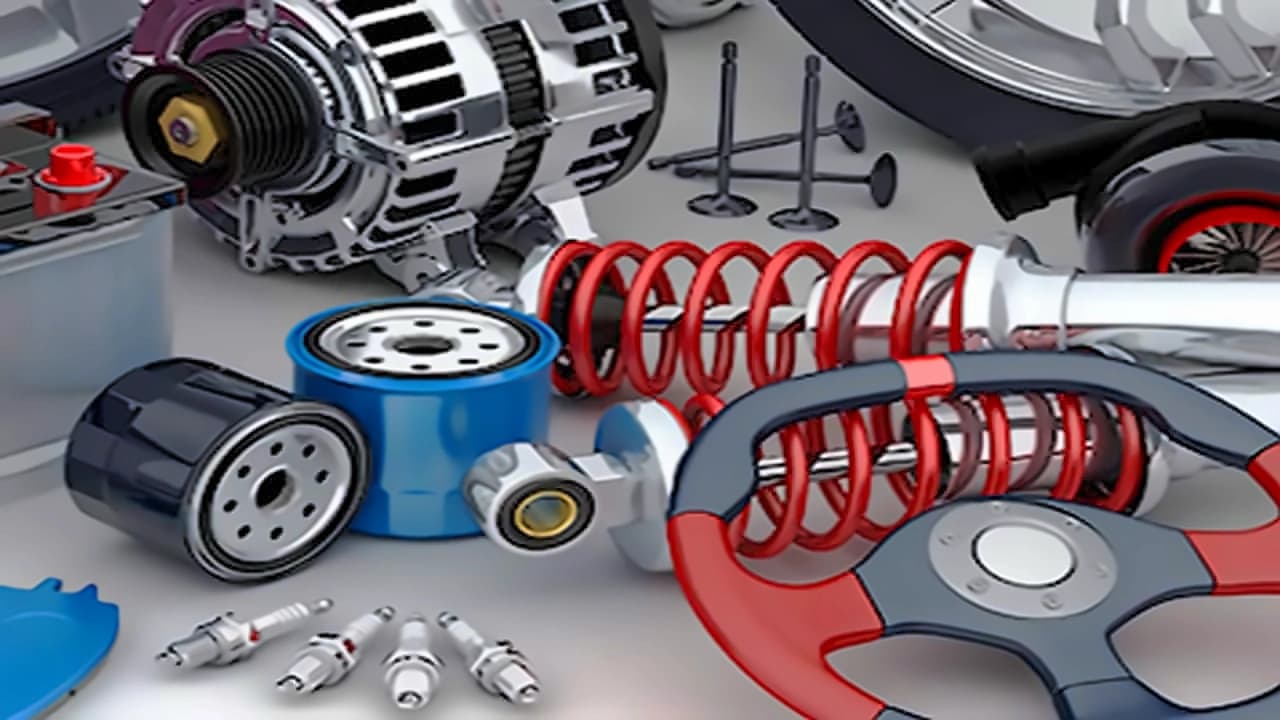
Auto components maker Varroc Engineering achieved a record quarterly revenue of ₹26,342 million in Q1FY27, marking a 29.9% year-on-year increase from ₹20,276 million in the corresponding period last year. According to the company's latest financial results approved by the Board of Directors on August 6, 2026, this represents the highest quarterly revenue post-divestment in the company's history. The automotive segment specifically generated ₹25,507.97 million in revenue, up 29.3% YoY, with growth broad-based across all vehicle types including two-wheelers growing 22.8%, three-wheelers surging 39.1%, passenger vehicles increasing 16.8%, and commercial vehicles rising 15.2%. As reported by Varroc Engineering CMD Tarang Jain, the company saw strong growth across all automotive segments on YoY basis. The revenue growth was driven by 28.6% increase in India operations and a 45.6% rise in overseas business, demonstrating strong international expansion.
While adjusted net profit increased 30.1% YoY and 11.5% QoQ to ₹77.27 crore in Q1FY27, profit before tax stood at ₹114.38 crore, down 20.5% YoY but up 5.2% QoQ. EBITDA increased 16.1% YoY but declined 3.3% QoQ to ₹222.80 crore, though EBITDA margin contracted to 8.5% from 9.5% in Q1FY26 and 9.7% in Q4FY26, primarily due to higher commodity prices linked to war-related costs, lower margins on tooling sales, and business mix shifts. Total expenditure increased 30.4% YoY to ₹2,496.67 crore, with raw material consumption rising 32.7% YoY to ₹1,686.79 crore and employee expenses increasing 10.9% YoY to ₹267.45 crore. The company also secured net new business wins with annualized peak revenues of ₹599.10 crore, demonstrating strong future growth prospects.
A key highlight of the quarter was the continued expansion of Varroc's electric vehicle business, with electric vehicle two-wheeler volumes growing 91% year-on-year and EV-related revenue accounting for 15.8% of total revenue, up 87% YoY. This growth demonstrates the company's successful diversification into the rapidly expanding EV segment, which remains one of the fastest-growing segments of the automotive industry. The India operations reported a healthier EBITDA margin of 10.6% and PBT margin of around 7%, while sequentially, losses from overseas operations and R&D are reducing, indicating improving profitability in international markets. Chairman and Managing Director Tarang Jain noted that the India business delivered strong margins despite challenges from higher commodity prices and adverse business mix.
The market responded positively to Varroc Engineering's Q1 results, with share price jumping 7.68% to ₹792.90 following the earnings announcement. According to latest trading data, the stock rallied as much as 11.65% to touch the 52-week high following the earnings announcement. The stock has demonstrated strong momentum with 22% gains in one month, 40% surge in three months, and 43% returns over the past year, delivering multibagger returns of 140% in five years. This robust stock performance reflects investor confidence in the company's diversified automotive portfolio and growth prospects across multiple vehicle segments, with the company's focus on improving contribution margins and generating free cash flow supporting future growth.
Despite challenges from ongoing arbitration disputes with Beste Motor and OPmobility Lighting, the company maintains a comfortable financial position with net debt increasing to ₹526.80 crore, up ₹31.60 crore sequentially due to higher working capital requirements. The net debt-to-equity ratio remains comfortable at 0.28, while the average Return on Capital Employed (ROCE) stands at around 24%. Management contests the arbitration claims and believes no provision is necessary based on legal opinions, while the company continues to focus on innovation with more than 135 patents filed, underscoring investments in product development and automotive technologies. Looking ahead, the company said it will focus on improving contribution margins, controlling fixed costs, generating free cash flow and enhancing return on capital across its businesses while navigating the volatile operating environment.