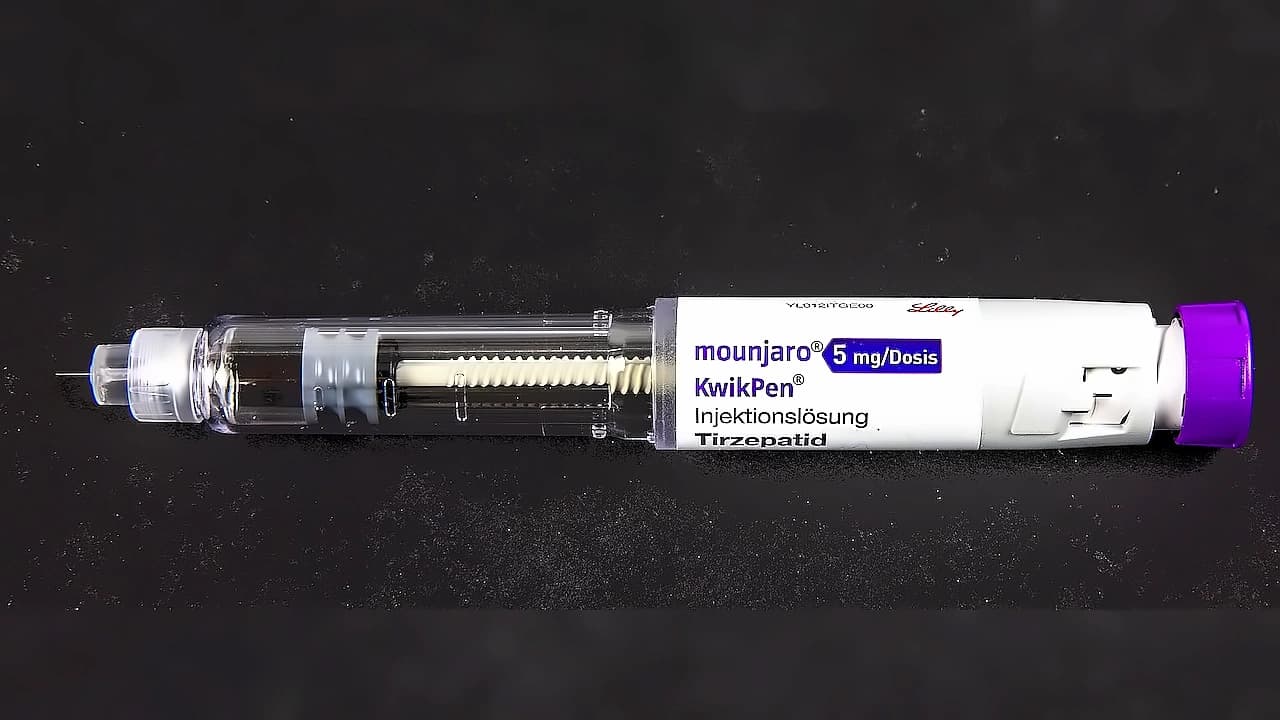
US District Judge Zahid Quraishi in Trenton, New Jersey, has rejected Novo Nordisk's bid for a preliminary injunction against Eli Lilly's weight-loss drug advertisements. According to reports from Reuters, the judge ruled on Monday that Novo Nordisk failed to demonstrate that Eli Lilly's ads threatened sales, undermined its goodwill, or caused lasting damage to its clinical reputation. Quraishi called Novo Nordisk's claim of irreparable harm "inadequate to warrant the extraordinary relief it seeks." The ruling came after a two-day hearing in late August, with the judge finding that Eli Lilly's advertisements had at most a negligible market impact between April and July, with prescriptions for Novo Nordisk's products remaining stable during this period.
Novo Nordisk sued Eli Lilly in July, alleging that advertisements for the obesity drug Zepbound and diabetes treatment Mounjaro violated federal and state false advertising and unfair competition laws. As reported by Reuters, the lawsuit specifically challenged comparisons between higher doses of Lilly's products with lower doses of Novo Nordisk's Wegovy and Ozempic. One commercial featured a voiceover claim with a written disclaimer stating that people using Zepbound on average lost 50 pounds (23 kg) while people using Wegovy on average lost 33 pounds (15 kg). Novo Nordisk and its lawyers did not immediately respond to requests for comment, while Eli Lilly, based in Indianapolis, has denied wrongdoing and expressed satisfaction with the court's decision.
In his 25-page decision, Judge Quraishi found that Eli Lilly's advertisements had at most a negligible market impact between April and July, with prescriptions for Novo Nordisk's products remaining stable during this period. According to Reuters, the judge noted that while Novo Nordisk's witnesses were credible, the evidence did not support the claim of irreparable harm. The judge suggested that money damages could compensate Novo Nordisk for any "nontrivial harm" it might suffer absent an injunction, emphasizing that the relief sought was extraordinary given the limited impact demonstrated.
Novo Nordisk reported combined sales of about $32 billion for obesity medicines and Ozempic in 2025, as detailed in court papers cited by Reuters. The drugmaker is working to regain market share in the United States for its injectable obesity drugs, a market that is projected to exceed $100 billion by the end of the decade. Despite the court's rejection of the preliminary injunction, Novo Nordisk stated that the ruling did not decide the question of whether Lilly's advertising is false and misleading, with litigation still ongoing. The ruling affects markets with tens of billions of dollars of annual sales in the competitive GLP-1 drug segment.
According to Reuters, weight-loss drugs have become major businesses for large pharmaceutical companies, with the United States being among a handful of countries that allow direct-to-consumer advertising of prescription medicines. The competitive landscape in the GLP-1 drug segment involves tens of billions of dollars of annual sales. Eli Lilly has denied wrongdoing and expressed satisfaction with the court's decision, while the ruling maintains the status quo in a market where clear, accurate, and up-to-date information remains crucial for health decisions.