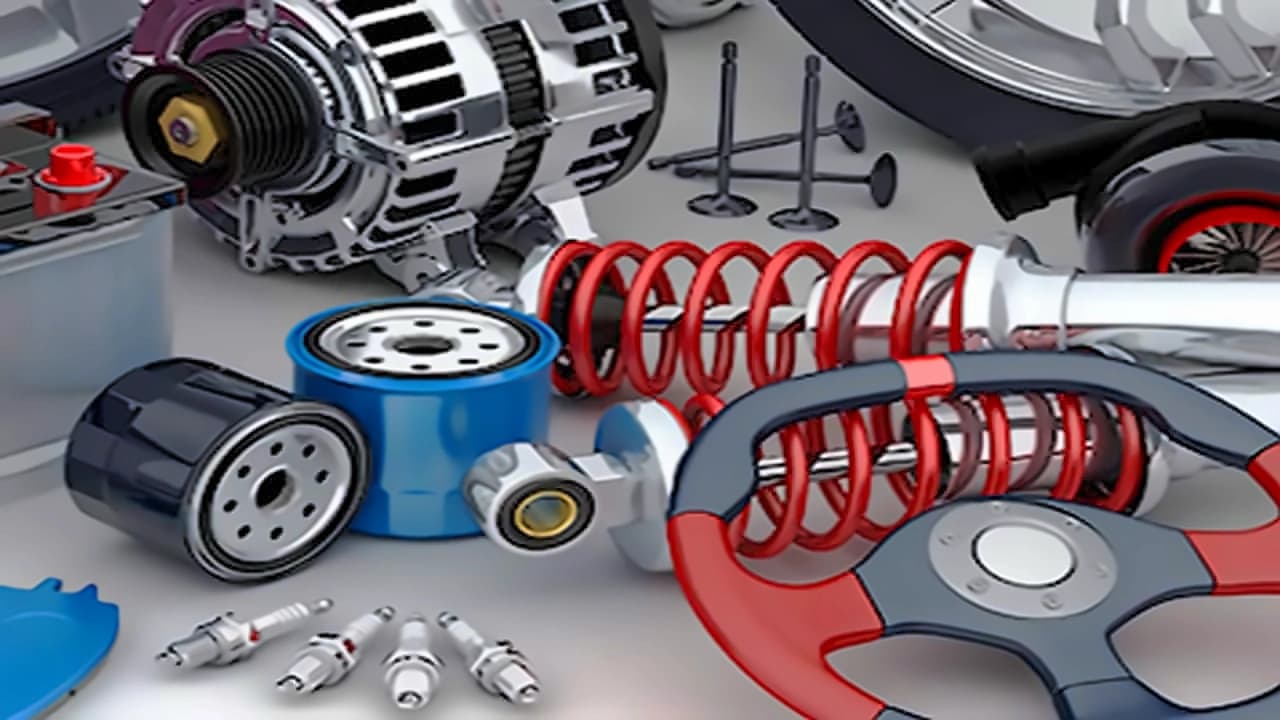
Tyre and auto-component manufacturers are implementing price increases to offset rising input costs that are eroding operational margins. According to reports from Business Standard, companies listed rising prices of natural rubber, steel, aluminium, copper, freight and energy as key challenges in the fourth quarter of FY26 (Q4 FY26). The cost increases are being passed on to automobile manufacturers after a lag period, creating near-term margin pressure despite recent price adjustments. This trend is now extending to the chemicals sector, where HDFC Securities estimates EBITDA margins may decline by 100-600 basis points in 2026-27 versus 2025-26, as reported by The Economic Times.
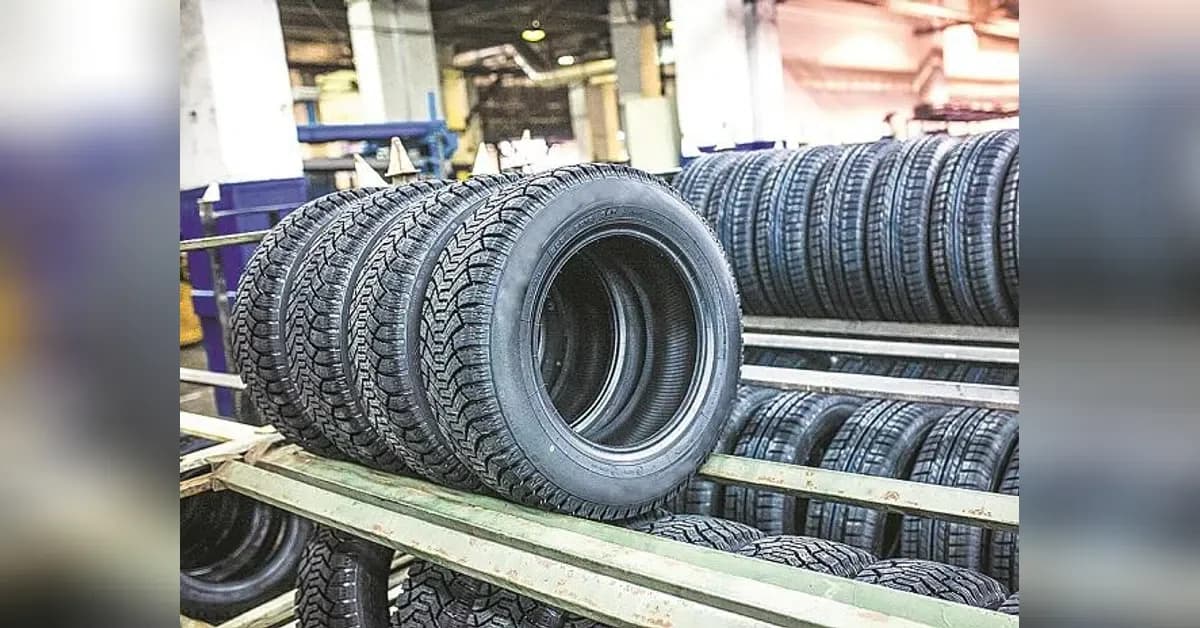
Ceat increased prices by around 5 per cent between March and April, with plans for another 5 per cent hike during May-June, as reported by Business Standard. Managing Director and CEO Arnab Banerjee noted that raw material costs have increased by 13-15 per cent, making further calibrated pricing actions necessary for profitability. The company will balance price hikes and market competitiveness, as aggressive increases could moderate demand. Apollo Tyres announced price increases of 6-8 per cent for Q4 FY26, with CFO Gaurav Kumar indicating that the hikes have not fully offset cost inflation and more increases may be required in coming months.
Auto-component makers are facing significant margin compression despite revenue growth, as evidenced by Federal Mogul Goetze's Q4 performance. The company reported a 17.3% decline in net profit to ₹49.1 crore despite 6.5% revenue growth to ₹490 crore, indicating severe margin erosion. According to Business Standard, Sona BLW Precision Forgings (Sona Comstar) reported that inflation in steel, aluminium and copper, alongside higher freight and energy costs, hit Q4 FY26 profitability. The company noted that while most commodity inflation is passed on to customers, timing differences continue to weigh on margins. Ramkrishna Forgings is in discussions with customers to recover higher energy and gas costs, with the company noting that while steel costs are largely pass-through in nature, energy-related increases are harder to recover immediately.
Despite rising crude oil prices pressuring chemical sector margins through increased feedstock and energy costs, the Nifty Chemicals index has shown resilience, gaining 0.8% so far in 2026 while outperforming the broader Nifty 50 index which lost 9.6%, as reported by The Economic Times. Nearly 16 out of 20 constituent stocks of the index outperformed the Nifty 50 index, suggesting selective optimism in the space despite challenging cost environment. Specialty chemicals are relatively better positioned due to stronger customer stickiness and value-based pricing compared to commodity chemicals, which face pressure from high crude-linked input costs and persistent Chinese oversupply.
A recent study by Crisil Ratings suggests that prolonged supply-chain disruptions and high crude oil prices due to the West Asia conflict could shave nearly 200 basis points off India Inc's operating profitability in FY27, as reported by Business Standard. The chemicals sector faces similar challenges, with analysts noting that the complete effect of elevated crude prices and freight costs is likely to be visible from the first quarter of 2026-27, with earnings volatility expected to persist until crude prices stabilise and freight costs ease. However, structural drivers such as increasing global interest in sourcing from India to diversify supply chains, rising share of speciality chemicals, and significant capacity expansions are expected to support future growth. The results from companies like Federal Mogul Goetze indicate that the profit decline of 17.3% on a YoY basis despite revenue growth indicates a structural hit to margins that may take 2-3 quarters to stabilize.