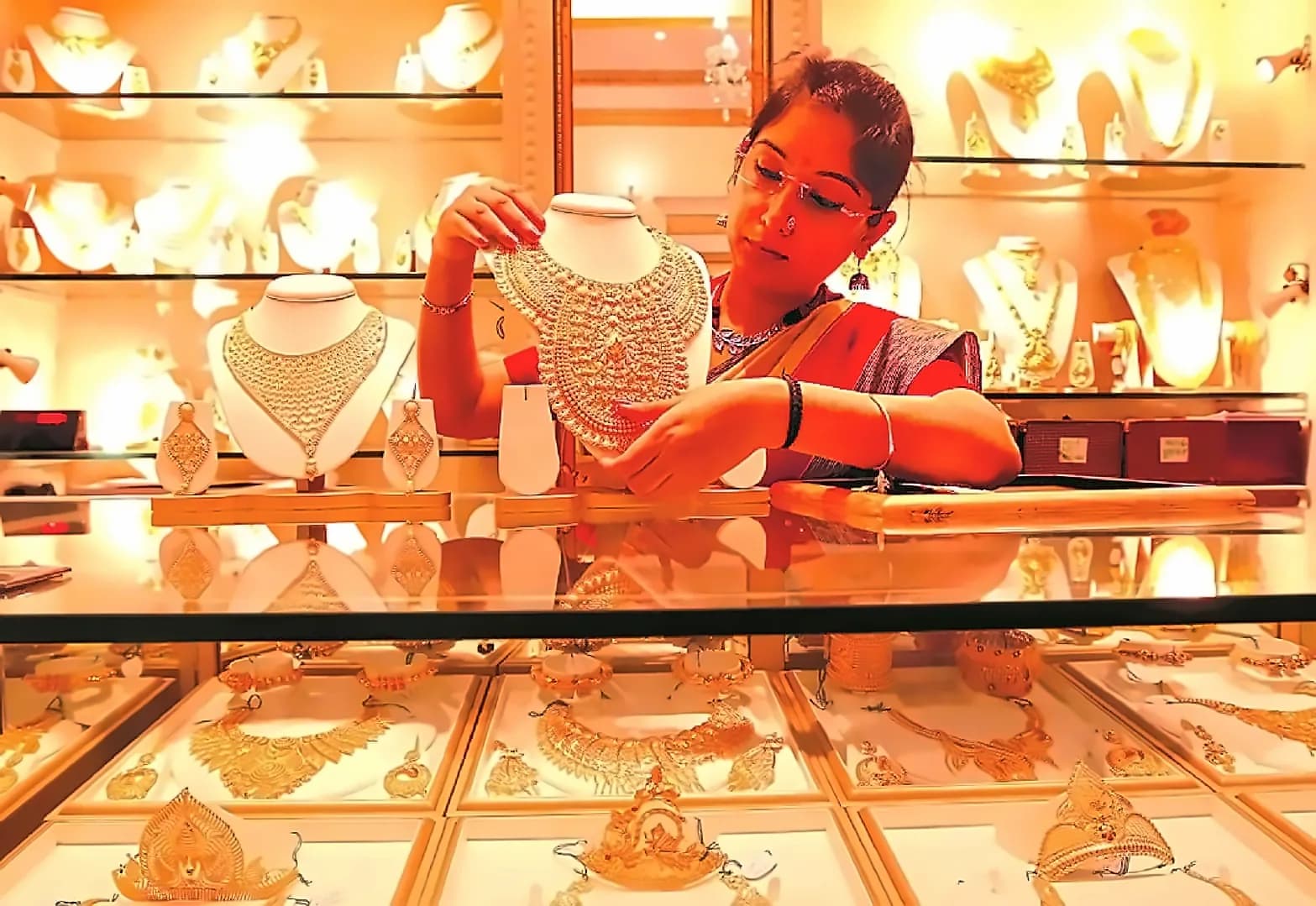
According to Business Standard, Titan managing director Ajoy Chawla stated the company will require four to six weeks to assess the impact of the government's decision to increase gold import duty and the Prime Minister's appeal to reduce gold consumption on consumer sentiment. Speaking in an exclusive interaction in Bengaluru, Chawla explained that the company believes it will take at least another four weeks, by the end of the first quarter, to reach a conclusion on whether these measures have made an impact downstream. The company's jewellery business, which often serves as a barometer for consumer sentiment, remained resilient in April and May until the announcements were made. As Chawla noted, "If fuel prices keep going up, we will know. It's a little bit of a slippery slope to conclude right now. But I would think at least four to six weeks of data will give us a better feel. I would like to see the month of May completely past us. By mid-June to June-end, we will have a better feel."
As reported by Business Standard, Chawla acknowledged that the war in West Asia has prolonged beyond expectations and companies are getting ready for a longer haul through significant fuel hikes, supply chain disruptions, and other inflationary pressures that can impact consumer sentiment. However, despite the volatile macroeconomic situation, Titan will not slow down investments in manufacturing, technology, retail, or businesses which are growing and sub-threshold. Chawla emphasized that if sentiment impacts growth significantly, the company will manage its P&L wisely but will not reduce strategic investments. He added, "If that impacts sentiment significantly, it means that if you were expecting to grow at a certain rate, you will grow at a lower rate. Then, all you need to do is manage your P&L wisely. But does it mean we will slow down on our investments in manufacturing, investments in technology, investments in retail? Does it mean we slow down investments in businesses which are growing and sub-threshold? No, we will not."
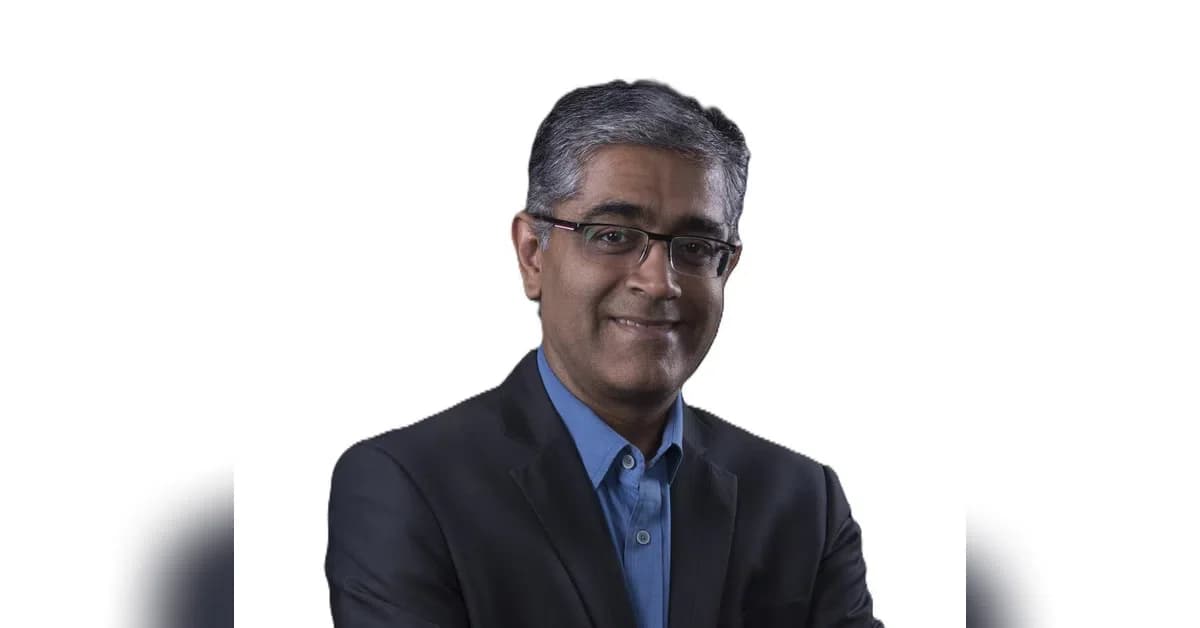
According to Business Standard, Titan's flagship jewellery business, known for brands such as Tanishq, Mia, and Caratlane, contributes about 90 per cent to the topline, up from about 82 per cent six years ago. The business grew about 48 per cent to ₹79,660 crore in the last financial year compared to a year earlier. Chawla noted that this growth is almost "abnormal" and "unheard of" at a time when gold prices have been creating new records over the last year. He explained that just because gold prices are going up and studded share is coming down, doesn't mean the company is doing badly, as it gives rupee value. As Chawla explained, "A lot of the growth story has been helped by that. Just because gold price is going up and studded share is coming down, doesn't mean we are doing badly. It simply means something is fuelling growth and we will take that growth any day as it comes because it gives us rupee value."
As reported by Business Standard, Chawla acknowledged that soaring prices have impacted consumer buying behaviour, with many preferring lower-carat gold of about 18 and 14 compared to the traditional 22. About half of Titan's total gold currently comes through exchange, up from 40 per cent two years ago, both for Tanishq and non-Tanishq brands. Chawla explained that if gold prices continue to rise at a certain rate, customers' wallets are not going up at that rate, and more and more Indians will be comfortable with lower caratage. He noted that 14-carat was not acceptable seven years ago, but today 14-carat is par for the course. "Eighteen-carat plain gold jewellery was only for the very western, Italian kind of looks but today we are doing 18-carat in traditional wedding jewellery also," Chawla added. He emphasized that the shift towards lower caratage is primarily driven by affordability concerns, stating "Fourteen-carat was not at all acceptable if I go seven years back. Today, 14-carat is par for the course."
According to Business Standard, Titan's other two big businesses, watches and eyewear, are also growing at a decent pace. The watch segment, known for Sonata and Helios brands, is expected to be driven by online sales, the move towards premiumisation due to a rapidly evolving middle class, and women increasingly buying watches on their own as a mode of self-expression. For eyewear, Chawla is hopeful that the ongoing process of shutting existing stores, and relocating and revamping many others, will get the business back on track. He noted that renovated stores with larger footprints and better value proposition are growing at 20 per cent plus. As Chawla explained, "All the renovated stores with larger footprints and a better value proposition — where we have grown about 16 per cent in the fourth quarter — the skew is 5–24 per cent. Those which have been renovated and upped the game are growing at 20 per cent plus. Once all these get corrected, the chances are we should be able to grow 20–25 per cent same-store growth."