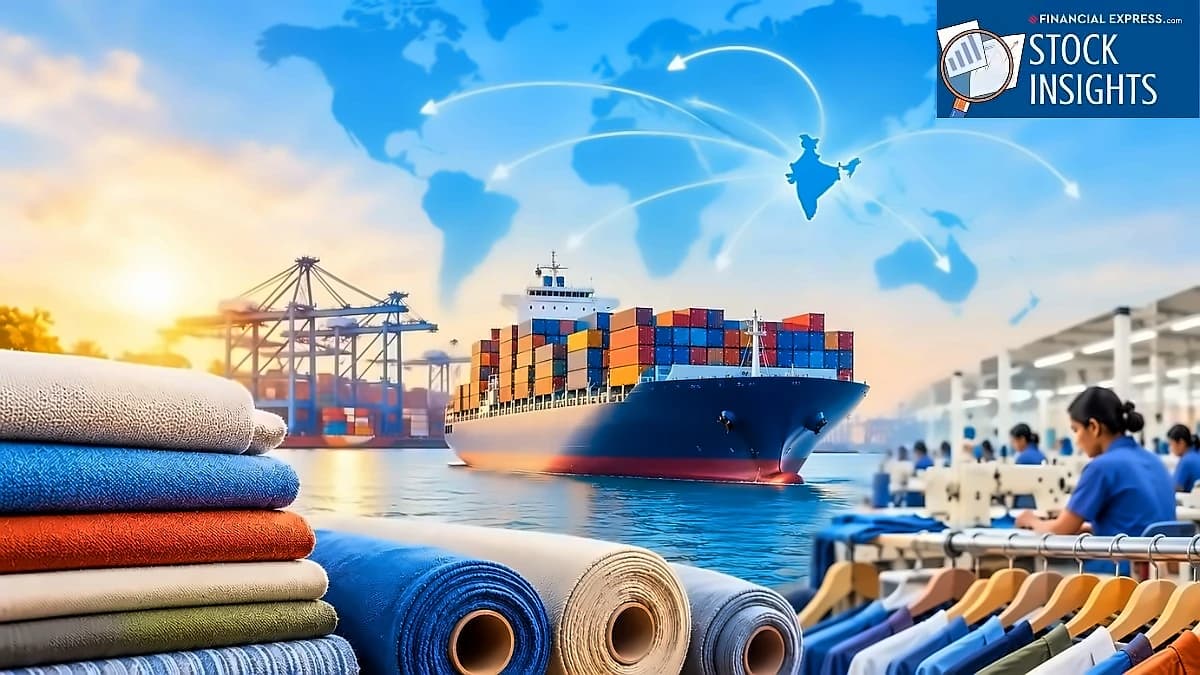
Indian textile stocks experienced a sharp rally following Finance Minister Nirmala Sitharaman's announcement of mega textile parks in challenge mode during her Union Budget 2026 speech. According to Upstox, Arvind Ltd shares surged 9.8% to ₹326.4 on the NSE, while Raymond Ltd shot up 7% to ₹399.9 and Vardhman Textiles gained 6.3% at ₹439.65. The rally was reinforced by optimism building around the recently concluded India–EU free trade agreement, which removes duties on textiles, apparel and clothing from day one. Latest reports confirm that Indo Count Industries Ltd rallied 6.4% to ₹239.18, Trident Ltd advanced 5% to ₹27.11, Welspun Living Ltd rose 2.4% to ₹125.98, and KPR Mill Ltd jumped 3.5% to ₹893.8 per share. Export-oriented names such as Gokaldas Exports climbed about 4.5%, and KPR Mill added over 4%.
The rally followed Budget announcements around the launch of Samarth 2.0, aimed at modernising textile skilling and improving workforce productivity across the value chain. As reported by Upstox, Finance Minister Sitharaman announced new mega textile parks will focus on technical textiles, a higher-margin segment that has been a key policy priority. According to Mint, the integrated plan for labour-intensive textiles focuses on employment generation, value-added manufacturing, and global competitiveness, especially in garments, man-made fibres, and technical textiles. This comprehensive approach includes a 5-point plan for India's textile sector development featuring the National Fibre Scheme, man-made and new-age fibres, a textile expansion and employment scheme, the National Handloom and Handicrafts Programme, and the TEX-ECO initiative. The Budget also announced a five-year Mission for Cotton Productivity to improve yields, enhance sustainability and promote extra-long staple cotton varieties, backed by science and technology-led support for farmers.
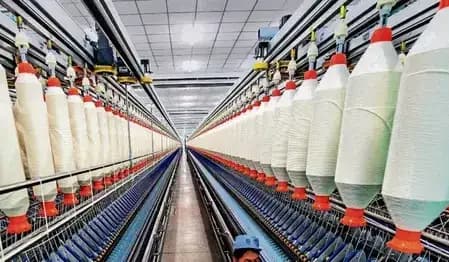
Finance Minister Sitharaman outlined an integrated programme with key components for the labour-intensive textile sector during her Budget presentation. As reported by Mint, the National Fibre Scheme aims to achieve self-reliance in natural fibres like silk, wool, and jute, as well as man-made and new industrial-age fibres. The Textile Expansion and Employment Scheme seeks to modernise traditional clusters by providing capital support for machinery, technology upgrades, and common testing and certification centres. The National Handloom and Handicrafts Programme (NHHP) is designed to integrate and strengthen existing schemes while ensuring targeted support for weavers and artisans. The Mahatma Gandhi Gram Swaraj initiative was launched to strengthen handloom and handicrafts, with Sitharaman noting that "This will help in global market linkages and branding. It will streamline and support training, skilling, and quality processes in production". This comprehensive approach addresses the entire textile ecosystem from raw materials to finished products.
The Budget announced significant measures to boost domestic manufacturing of technical textiles, including agro-textiles, medical textiles and geo-textiles. To support this push, two additional categories of shuttle-less looms were added to the list of fully exempted textile machinery, helping reduce input costs for manufacturers. Customs duty changes were announced, with the basic customs duty on knitted fabrics across nine tariff lines revised from 10% or 20% to 20% or ₹115 per kg, whichever was higher. These steps were intended to protect domestic producers and encourage greater value addition within the country. The measures are likely to benefit large organised textile companies, which are better placed to scale capacity, comply with global standards and integrate MSME and artisan clusters into formal supply chains.
The Budget push comes on the back of the India-EU free trade agreement, which opens access to the European Union's textile market, estimated at $263.5 billion. As reported by The Economic Times, the agreement significantly improves the competitiveness of Indian exporters against peers such as Bangladesh and Vietnam. Under the proposed deal, tariffs on a wide range of goods will be reduced or eliminated, opening opportunities for India's labor-intensive sectors, including textiles and apparel. Currently, Indian textile exports to the EU face tariff barriers of 10-16%, and the combination of zero-duty access, skilling support and infrastructure-led reforms may boost the long-term earnings outlook for textile companies through enhanced export competitiveness. The government's focus on strengthening the textile value chain, starting from the farm level, aligns with the integrated 5F vision and aims to raise farm incomes while ensuring a reliable supply of quality cotton for India's traditional textile industry.