Former Tesla board member Steve Westly has identified three major hurdles that could complicate a Tesla-SpaceX merger, despite both companies forming special committees to explore the combination. Valuation tops Westly's list of concerns, as setting the exchange ratio becomes crucial for determining how many SpaceX shares each Tesla share would receive. Regulatory approval remains a significant challenge, with Westly noting that Tesla won SEC staff clearance on September 29 for a retail voting program allowing small shareholders to pre-authorize board-aligned votes, yet SEC approval still presents hurdles. China operations represent the third major challenge, as Reuters reported that SpaceX drew about a fifth of its 2025 revenue from US federal agencies, raising national security questions around Tesla's Shanghai plant, historically the source of over half its deliveries. JPMorgan analysts have flagged regulatory approvals, particularly in China, as a bottleneck for any potential merger.
Elon Musk's proposed Tesla-SpaceX merger faces significant regulatory hurdles in both the United States and China over national security, sensitive data and technology sharing concerns. According to Reuters, the proposed combination would bring Tesla's extensive Chinese operations under the same corporate umbrella as SpaceX's defence business, creating potential conflicts between Washington and Beijing. SpaceX's defence-related operations, including Starshield, which develops military and intelligence satellite systems for the Pentagon, could attract heightened scrutiny from US regulators if combined with Tesla's China business. Beijing requires Tesla to keep confidential data collected through its automated driving systems within China, making any merger require safeguards to prevent sensitive information from crossing corporate and national boundaries. The Wall Street Journal reported in July that Tesla executives were told to prepare to separate its China business, though Musk has dismissed this report.
Elon Musk confirmed during SpaceX's earnings call that the two companies have formed special committees to explore a potential merger, marking a significant step forward in the consolidation discussions. Musk endorsed the combination of the two companies, stating during the call that "there's a lot of merit to combining the companies." However, Musk cannot join the independent directors' talks as a conflicted party, as he explained on SpaceX's third-quarter webcast. "I think some people out there assume that a SpaceX and Tesla merger is a certainty, and I think that would be overstating it," Musk stated. A Tesla-SpaceX merger could add more than $110 billion to Elon Musk's fortune by accelerating the vesting of Tesla shares that otherwise wouldn't vest until 2028, according to calculations by the Bloomberg Billionaires Index. Wall Street increasingly expects a Tesla-SpaceX merger, but key terms remain unsettled, with analysts saying Tesla shareholders may seek a 20% to 35% premium, while the exchange ratio and Musk's potential control of up to 58% of voting rights could raise valuation and governance concerns.
Both Tesla and SpaceX delivered better-than-expected third-quarter results, with SpaceX achieving its first profit as a publicly listed company. SpaceX achieved net income of $4.4 billion compared to a loss of $1.05 billion a year earlier, beating analysts' average expectation of a $1.57 billion profit. Revenue increased 161% year-on-year to $14.6 billion in the three months ended September 30, with AI revenue surging nearly tenfold to $7.56 billion from $813 million in the corresponding period last year. SpaceX spent $19.6 billion on capital expenditure in the third quarter, with $16.4 billion going towards expanding computing infrastructure for its superintelligence business, taking the company's installed computing capacity to 1.7 gigawatts as of September 30, 2026, compared with 0.6 gigawatts a year earlier. SpaceX CFO Bret Johnsen reiterated the company expected total revenue to rise to as much as $37 billion in the first quarter of next year, with Musk projecting annual recurring revenue could reach between $500 billion and $1 trillion by the end of 2027. SpaceX's AI business posted $431 million of income from operations in the third quarter, a dramatic turnaround from a $1.7 billion loss a year ago, with the company acquiring Cursor in August to strengthen its AI-powered coding tool capabilities.
Tesla achieved total third-quarter revenue of $28.05 billion and adjusted earnings of $0.48 per share, surpassing analysts' consensus estimate of $0.45 per share on $28.25 billion in revenue. Tesla produced 464,391 vehicles and delivered more than 486,000 vehicles in the quarter, while deploying 13.7 gigawatt-hours of energy storage capacity. However, Tesla's results represent a decline from the third quarter of 2025, when the company reported total revenue of $28.09 billion and adjusted earnings of $0.50 per share. Tesla's Shanghai factory accounts for more than half of its global production, making a complete separation from China potentially costly. Chinese suppliers are deeply integrated into Musk's broader business operations, creating additional complexity for any merger structure. Daniel Kollar, head of the automotive and mobility practice at consultancy Intralink Group, suggested companies such as Airbus and Honeywell had maintained substantial defence businesses outside China while continuing to operate in the country, suggesting a two-way firewall approach might be necessary. Former Tesla board member Steve Westly noted that Tesla must show growth beyond cars to make its case as a technology company, while automotive revenue fell 3% year over year in the third quarter, according to CNBC reports.
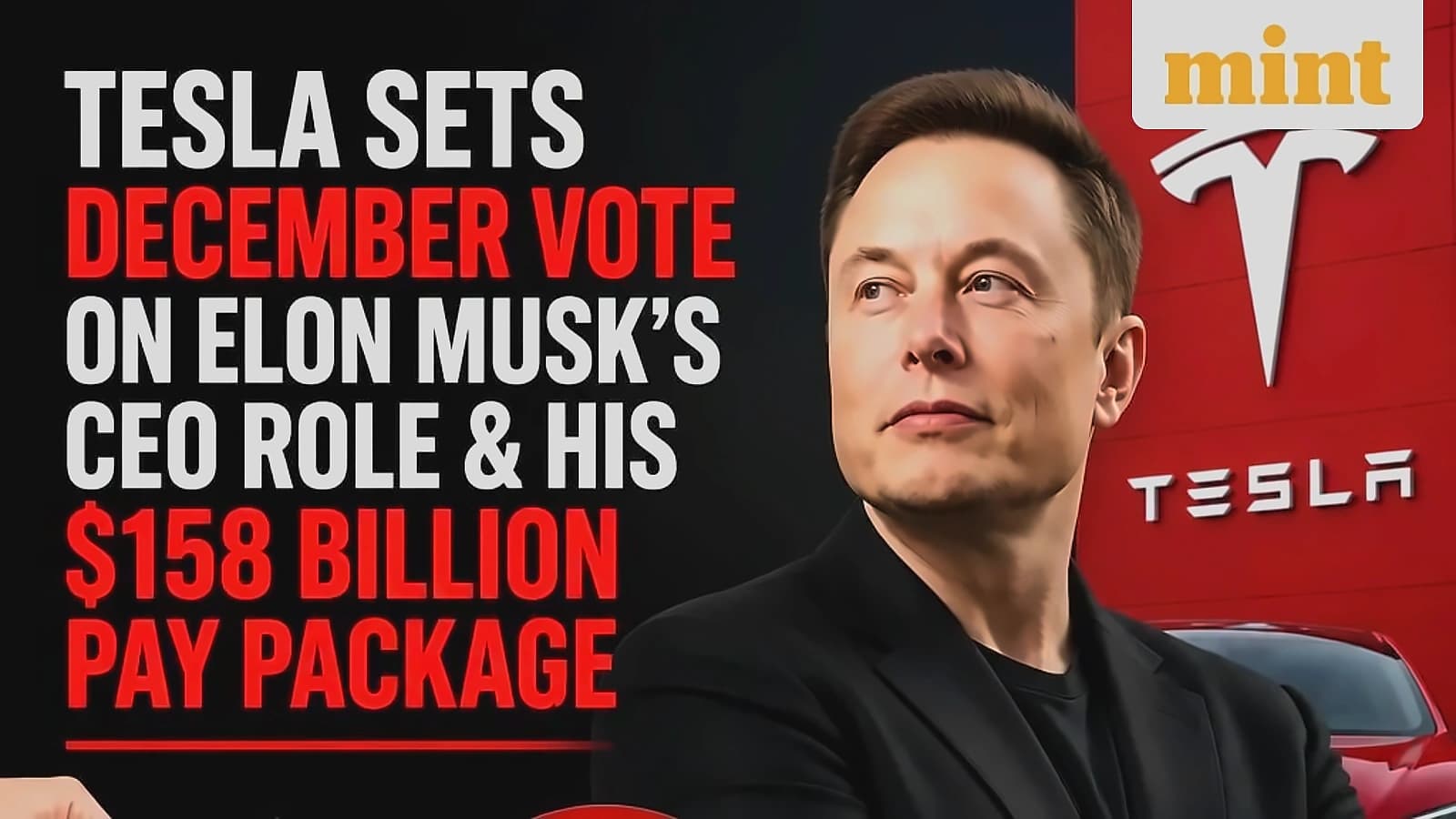
The corporate governance and voting control could complicate the proposed merger significantly. Musk holds roughly 85% of SpaceX's voting power through super-voting shares, compared with about 20% at Tesla. A merger could substantially increase his influence over the combined entity, with estimates suggesting Musk could control approximately 57% to 58% of voting rights, depending on the exchange ratio. Musk has said the Tesla side needs approval from a majority of all outstanding shares, rather than merely a majority of votes cast, meaning uncast ballots could count against the proposal, making shareholder participation an important factor. Governance concerns are likely to attract scrutiny because Musk leads both businesses, with Reuters noting that Tesla's 2016 acquisition of SolarCity faced years of litigation before a Delaware court cleared the transaction while criticising the absence of an independent committee. The shareholder approval process could prove equally challenging, with investors needing convincing that combining the two businesses would create greater value than allowing them to operate independently. Any deal would still need approval from both shareholder bases and, analysts say, regulators in Washington and Beijing, with the outcome potentially showing how founder control, retail voting programs, and national security reviews interact in trillion-dollar deals.