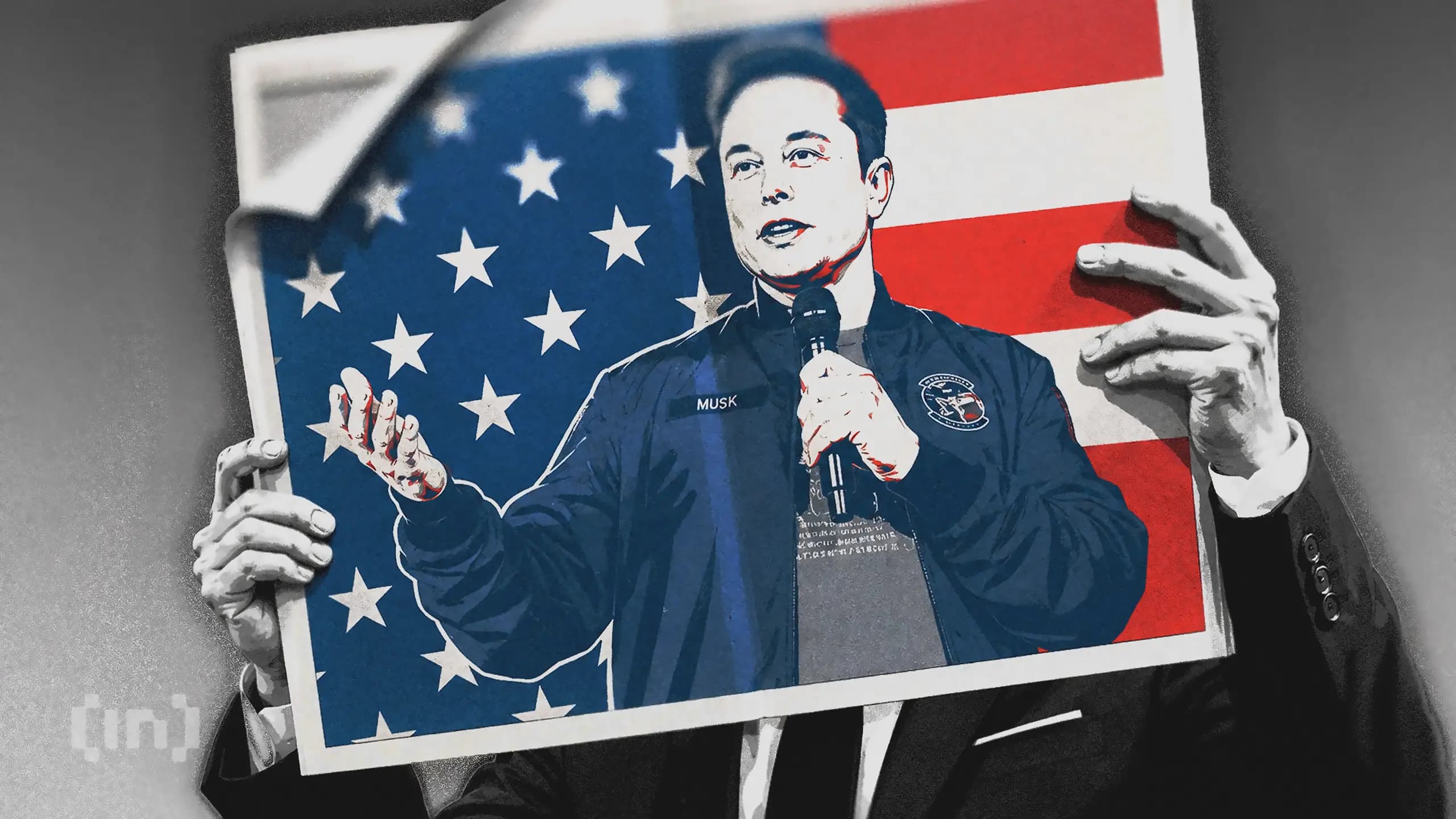
According to reports from The Information, Tesla has officially implemented a $200 per week spending cap on artificial intelligence tools for employees, effective July 6. The company has formally communicated this policy to employees, marking a significant shift in how the company manages AI-related expenses. The reported spending limit applies to employee AI tool usage across the organization, with employees now requiring management sign-off to exceed this threshold. As reported by Benzinga, this policy comes weeks after Uber imposed similar limits, signaling a broader shift as companies rein in soaring AI costs. The cap represents a dramatic reversal from Tesla's previous approach of encouraging aggressive AI adoption, as the company had been pushing employees to use AI more aggressively over the past six months. The policy lands just months after Tesla pushed employees to use AI more aggressively, a sign that even companies betting their future on the technology are struggling to control its costs.
As reported by Benzinga, the spending caps underscore a growing reality across Corporate America: while generative AI can boost productivity, the cost of running advanced models at scale is proving harder to control than many companies anticipated. Unlike traditional software subscriptions, enterprise AI costs often fluctuate based on usage, with every prompt, code generation request or document analysis consuming computing resources and creating token-based expenses that can rise sharply as adoption grows. According to The Information, the challenge is no longer convincing employees to use AI—it's figuring out how to pay for it. Uber has already faced a similar issue, introducing a $1,500 monthly cap on employee AI spending after internal usage surged faster than expected, highlighting how quickly enterprise AI costs can escalate. The trend reflects a broader pattern across corporate America, with Meta, Amazon, and Walmart have all introduced caps or pushed workers toward cheaper models as token-based billing exposes them directly to the cost of every prompt.
According to The Information, Tesla has been tracking usage closely through internal dashboards that rank employees by token consumption. The company has implemented a beta version exemption - the cap does not apply to beta versions of xAI products. This tracking system provides management with visibility into AI usage patterns and helps identify areas where costs can be optimized. The approval process ensures that AI spending remains within the established limits, though the policy excludes beta versions of xAI products which conveniently steers heavy users toward Elon Musk's own AI company rather than rivals. The exceptions system allows employees who can justify higher AI spending to exceed the default limits, creating a more flexible approach while maintaining overall cost control.
As reported by The Information, CEO Elon Musk has pushed teams to rely more on xAI and Cursor models as part of the company's broader AI integration strategy. Last year, Tesla rolled out Bottle Rocket, a platform that provides staff access to AI models from OpenAI, Anthropic, xAI, and Cursor, including unreleased versions. This platform replaced the previous system where some employees used personal accounts to access these tools, creating a more controlled and standardized approach to AI access and usage. However, the internal rollout is facing challenges as Grok is not popular among Tesla staff, with many using Anthropic's Claude instead, according to four people familiar with the usage. Despite internal push, Tesla engineers prefer Claude over Grok, tracking with the company's own product history where Musk himself later admitted xAI was "not built right" just weeks after Tesla invested $2 billion into it. The reversal is fast, as over the past six months, Tesla leadership worked to move scattered employee AI usage onto a companywide approach with approved models and formal security policies, then quickly followed with guardrails on spending.
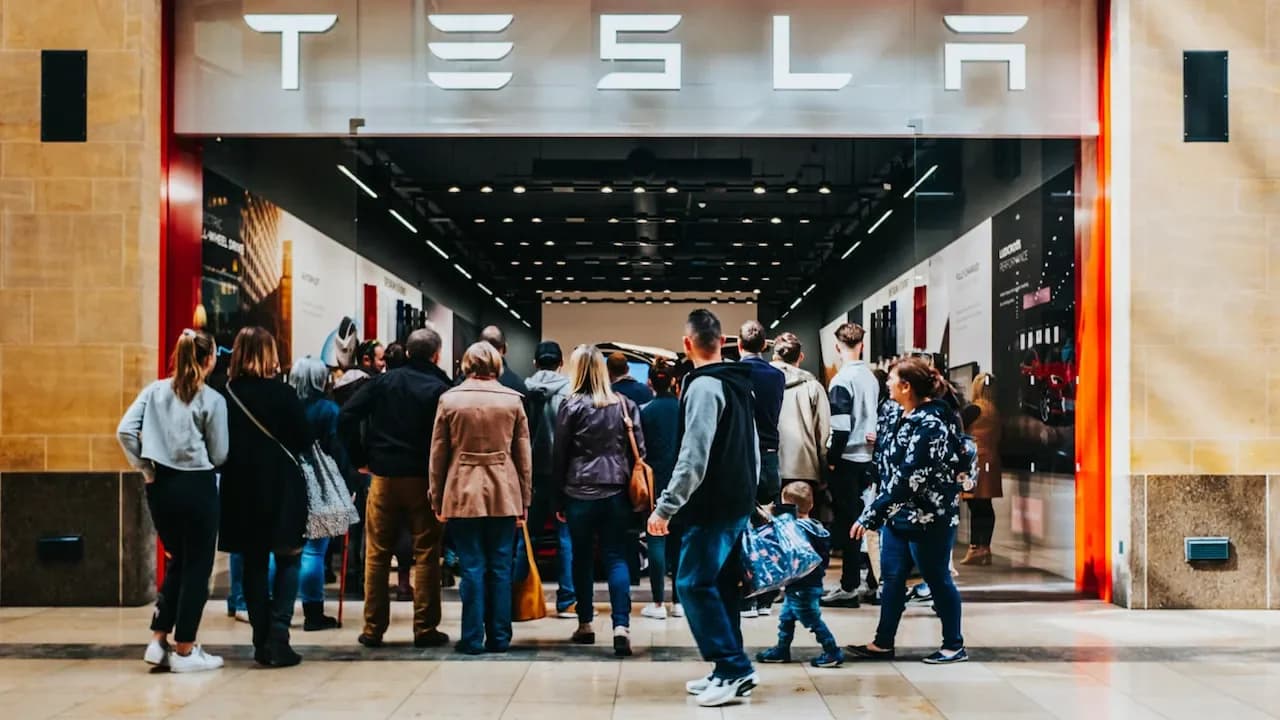
The spending restrictions come at a significant moment for Tesla, whose long-term growth narrative is increasingly centered on artificial intelligence. As reported by Live Mint, Musk has repeatedly argued that the company's future depends more on autonomous Robotaxis and the Optimus humanoid robot than on its traditional electric vehicle business, while automotive revenue has remained broadly flat over the past two years. Against this backdrop, tighter controls over relatively modest AI operating costs could raise broader questions about the economics of deploying AI at scale across autonomous vehicle fleets and large numbers of robots. The move also reflects a wider shift across the technology sector as companies reassess soaring AI expenses, with the industry beginning to move away from measuring employee productivity through maximum AI usage toward greater cost discipline. Alongside tighter cost controls, Tesla has strengthened its AI security policies by limiting access to AI models outside the Bottle Rocket platform on company devices and reminding employees not to upload confidential company information into unapproved AI systems.