A Hyderabad-based software engineer, R Bhavana, staged a protest outside Tech Mahindra's Hyderabad facility, alleging unfair termination following medical leave periods. According to reports from People Matters, Bhavana claimed she was repeatedly asked to return to work despite health issues and received warning communications. Her allegations included concerns about workplace monitoring, transportation arrangements, and handling of family medical emergency requests. The dispute gained significant attention when Bhavana launched a hunger strike and demanded action on pending allowances, fair notice periods, protection from arbitrary termination, and stronger legal safeguards for corporate employees.
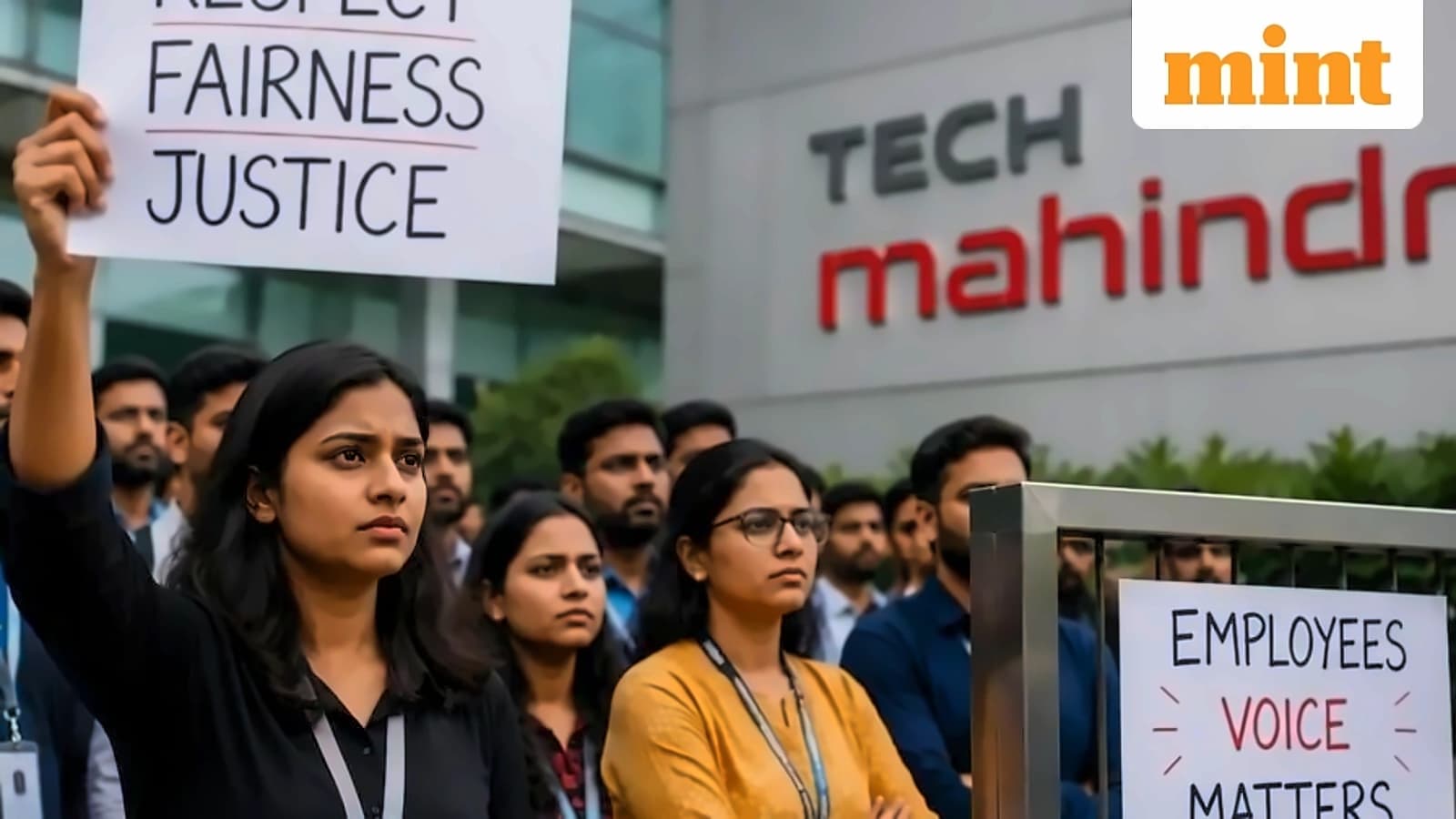
Tech Mahindra responded by disputing Bhavana's central claim of termination, stating she remains an active employee with normal July salary processing. As reported by People Matters, the company said a communication citing "abandonment of services" was issued on 22 July, but the separation was never implemented. The company noted that Bhavana took 27 working days of leave between joining the company and 22 July, comprising 12 days of planned leave and 15 days of unplanned leave, excluding weekends and holidays. Bhavana joined the Hyderabad office on 26 March 2026 and publicly raised concerns about alleged termination on 23 July.
According to People Matters, Bhavana filed a police complaint accusing the company of workplace harassment and unlawful termination. The protest gained additional attention when climate activist Ruchith joined in solidarity, with allegations that police attempted to detain him during the demonstration. The company maintained that Bhavana had access to internal grievance mechanisms and alleged she did not intend to resume work and was seeking an unjustified financial settlement.
The dispute has brought attention to how large technology companies handle medical leave, employee grievances, and disciplinary processes. As reported by People Matters, the controversy raises questions about employee welfare and grievance redressal in corporate workplaces, highlighting the need for clearer policies and stronger legal safeguards for corporate employees. The incident underscores the importance of effective industrial relations frameworks that balance employee rights with organizational needs.